What Is an Unattended Death and Why Cleanup Can't Wait Copy
An unattended death is a death discovered after time has passed. Learn what it means, why the scene stays hazardous, and why cleanup cannot wait.

An unattended death is one of those situations most people never expect to face, and yet it happens far more often than many realize.
When it does, there is rarely a guidebook waiting nearby. There is only a discovery, a series of questions, and a property that has changed in ways that are not always visible at first glance. Understanding what an unattended death actually is, what happens after one is found, and why the cleanup cannot be delayed can make a deeply difficult moment a little easier to navigate.
This article walks through the situation in the order it tends to unfold, from the discovery itself to the reasons time matters so much once the scene is no longer being investigated.
What Is an Unattended Death
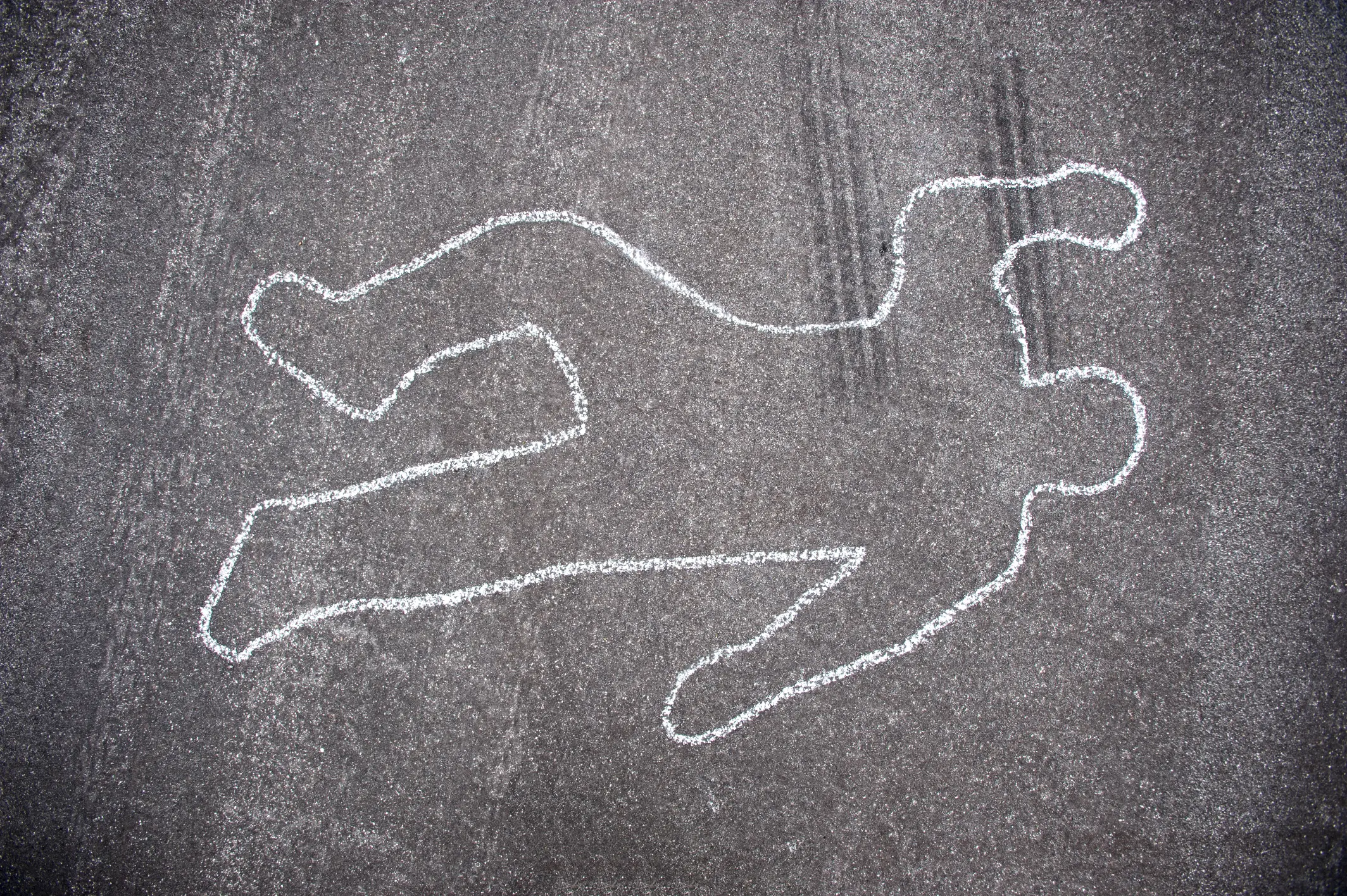
An unattended death refers to a death that goes unnoticed for a period of time before the body is found.
It does not point to a single cause. A person may have passed away from natural causes, a medical event, an accident, or another circumstance entirely. What defines it is not how the death happened, but the fact that no one was present and the death was not discovered right away. That gap in time is the central feature, and it is also what separates this situation from a death that is witnessed or attended.
Why the Time Gap Matters
The longer a death goes undiscovered, the more the surrounding environment is affected.
The human body begins to break down naturally after death, and that process does not pause out of respect for the space it happens in. Fluids are released, odors develop, and the materials in a room can begin to absorb what is left behind. A few hours and several days produce very different scenes. This is why two unattended deaths can look nothing alike, even when the cause was similar.
Where These Situations Tend to Happen
Unattended deaths are often associated with people who lived alone, but that is not the only setting. They can occur in a range of places, including:
A private home, apartment, or rental unit where a person lived by themselves
A workplace or commercial property after hours
A vehicle or another enclosed space away from a residence
The common thread is simply that time passed before anyone knew. That reality is part of what makes these situations so emotionally heavy for the people who eventually find the scene or are notified about it.
What Happens When an Unattended Death Is Discovered
The first thing that usually happens is a call to emergency services.
Once authorities arrive, the scene is treated according to standard procedure. Law enforcement may investigate to rule out foul play, and a coroner or medical examiner is typically involved in confirming the death and arranging for the body to be removed.
This is an important point that many people misunderstand.
What Officials Do and Do Not Handle
The role of police, coroners, and medical examiners is centered on investigation and the removal of the body. Their responsibility ends there. Once the scene is released, the space returns to the care of the property owner, the family, or whoever is responsible for the location.
This often comes as a surprise. It helps to know in advance that officials will not:
Clean or sanitize the affected area
Remove contaminated materials or biohazards
Restore the property to a safe, usable condition
Recognizing this early helps avoid the painful realization that the property has been left in a condition no one is prepared to handle alone.
Why the Scene Is Still Hazardous After the Body Is Removed
A scene can look quieter once the body has been taken away, but the hazard has not left with it.
Blood and bodily fluids may carry bloodborne pathogens, and decomposition introduces additional health risks. These contaminants are not always confined to the surface. They can soak into flooring, carpet, padding, and other porous materials, reaching places that are not visible from where a person is standing. What appears to be a contained area can extend much further once the materials underneath are considered.
Why Unattended Death Cleanup Cannot Wait
Once the scene is released, the question of timing becomes urgent. The reasons fall into three areas, and each one grows more serious the longer a scene is left untouched.
Health and Safety Risks Increase Over Time
The biological hazards present at the scene do not become safer if they are left alone.
Decomposition continues, bacteria multiply, and the air in an enclosed space can carry contaminants that pose real health risks to anyone who enters. Attempting to handle this without proper training, equipment, and protective measures can expose a person to those hazards rather than remove them. The passage of time only deepens the problem, which is why waiting tends to make the situation harder rather than easier.
Property Damage Spreads
Delay does not only affect health. It also affects the building itself. The longer contaminants remain, the further they can travel into the structure of a space:
Fluids that began in one area can seep into subflooring and beneath baseboards
Porous materials can become saturated to the point that they cannot be safely restored
Odors can settle into walls and ventilation systems
What started as a contained scene can become a larger restoration project simply because too much time passed before anything was done.
The Emotional Weight Grows
There is also a human cost to waiting that deserves to be acknowledged.
Returning to the scene, or living near it, while it remains untouched can be profoundly distressing. The space holds reminders that are difficult to face, and every day it stays that way can make the eventual process feel heavier. Addressing the situation promptly is not only about safety and property. It is also about allowing the people affected to begin moving forward rather than remaining tethered to the hardest moment.
Why This Work Belongs to Trained Professionals
Given everything involved, an unattended death scene is not something ordinary cleaning can resolve.
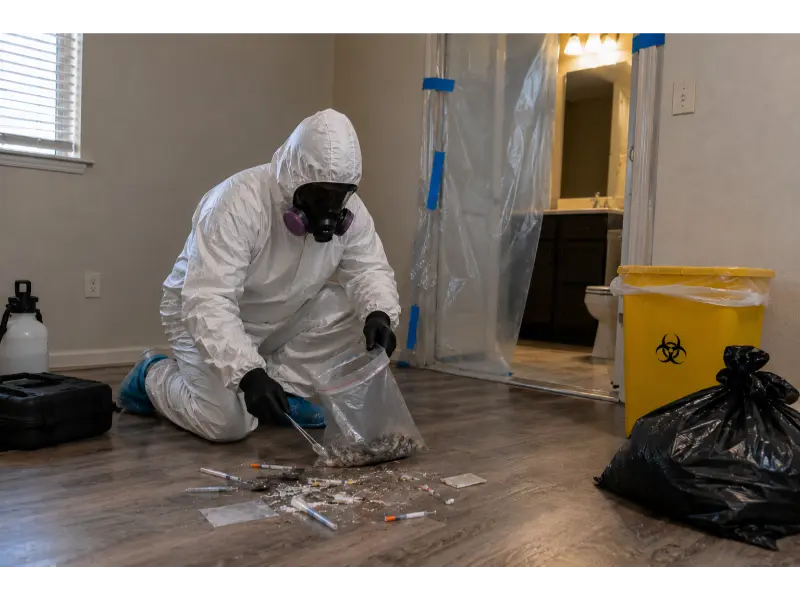
Standard cleaning is built for everyday messes. It is not designed to identify how far contamination has spread, to remove materials that can no longer be saved, or to disinfect a space to a safe standard after biological hazards are present. This kind of work requires specialized training, the right protective equipment, proper disposal methods, and the judgment to know when a surface can be treated and when it must be removed.
It also calls for something that has nothing to do with technique.
These scenes are personal. They are tied to a loss, and the people nearby are often grieving while trying to make decisions they never planned to make. Handling the work with discretion and care matters as much as handling it correctly. The goal is not only to restore the space, but to do so in a way that respects what happened there.
Bringing in Remnant
When an unattended death leaves a property in need of cleanup, Remnant is equipped to step in and take that burden off your shoulders.
As a biohazard and death cleanup company serving the Western United States, Remnant approaches each scene with the care, discretion, and professionalism these moments call for. The team is trained to assess the full extent of contamination, remove and properly dispose of affected materials, disinfect the space, and address lingering odors, restoring the area so it is safe to return to. Remnant operates around the clock, understands the urgency these situations carry, and can also help guide you through the insurance process, since coverage applies in many cases.
If you are facing the aftermath of an unattended death, you do not have to handle it alone. Reach out to Remnant today to speak with a team that will treat your situation with the urgency and compassion it deserves.
Learn