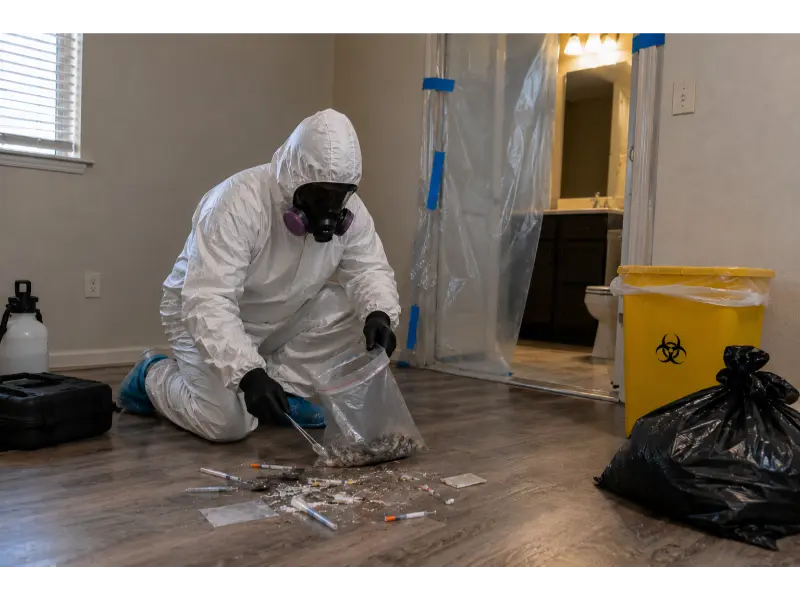
Trauma Scene Cleanup: Who Is Responsible for Cleanup Costs
Trauma scene cleanup costs depend on property ownership, insurance, leases, and incident details. Learn who may be responsible for payment.
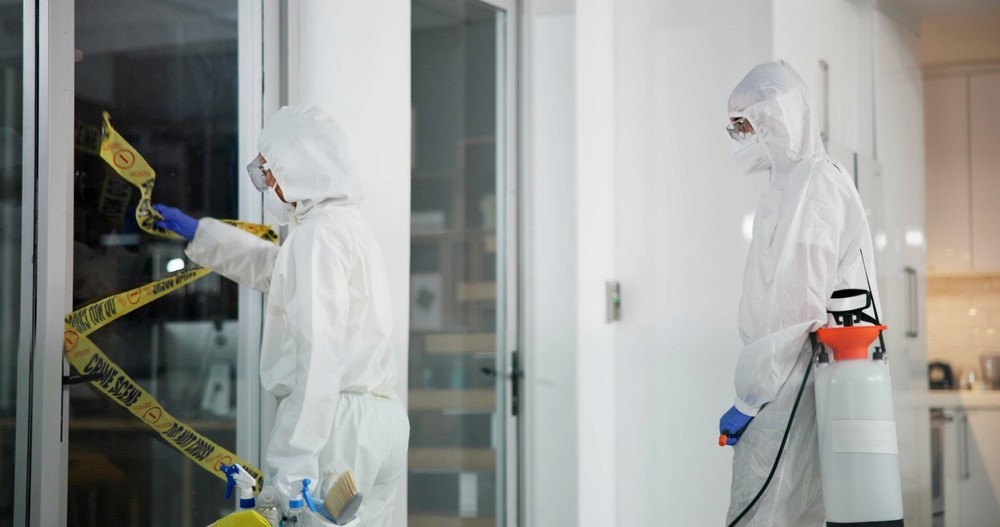
Trauma scene cleanup often raises an immediate and difficult question: who is financially responsible for the cleanup? The answer depends on the location of the incident, the party with legal control over the property, the type of insurance coverage in place, and whether the situation qualifies for any form of financial assistance.
In most cases, the person or organization responsible for the property must arrange professional trauma scene cleanup first. The cost may later be covered through homeowners insurance, renters insurance, commercial insurance, auto insurance, victim compensation, or direct payment, depending on the circumstances.
Who Is Responsible for Trauma Scene Cleanup?
Responsibility usually begins with the party that owns, manages, or controls the affected property. This may be a homeowner, landlord, property manager, business owner, vehicle owner, hotel operator, or public agency.
That responsibility does not always mean the full cost is paid out of pocket. Insurance may cover part or all of the cleanup when the incident qualifies under the policy. However, the responsible party typically has to authorize the work, provide access, document the damage, and communicate with the insurance carrier or other involved parties.
Trauma scene cleanup is not handled like ordinary janitorial work. It may involve biohazard exposure, contaminated materials, odor sources, structural damage, and regulated waste handling. Because of that, responsibility is tied not only to payment, but also to restoring the affected space to a safe and usable condition.
Homeowners Are Usually Responsible for Private Property Cleanup
When a trauma scene occurs in a private residence, the homeowner is usually responsible for arranging professional cleanup. This may apply after a death, suicide, violent incident, severe injury, unattended death, or other event that leaves blood, body fluids, tissue, or contaminated materials inside the home.
Homeowners insurance may help cover the cost, but coverage depends on the policy language and the cause of the loss. Some policies may include coverage for biohazard remediation, crime scene cleanup, blood cleanup, odor treatment, contaminated contents, and affected building materials. Other policies may limit coverage or exclude certain circumstances.
The homeowner should contact the insurance carrier and ask specific questions. General questions about “cleaning” may not be enough. It is better to ask about trauma scene cleanup, biohazard cleanup, contaminated material removal, structural damage, personal contents, odor treatment, and disposal costs.
A professional trauma scene cleanup company can often provide documentation that supports the claim, including the affected areas, materials removed, work performed, and scope of remediation.
Landlords May Be Responsible for the Building
In rental properties, responsibility usually depends on what was affected. The landlord or property owner is generally responsible for the structure itself. This can include flooring, subflooring, drywall, insulation, doors, trim, built in fixtures, and shared building areas.
If the trauma scene affects the physical property, the landlord or property manager may need to arrange cleanup so the unit or building can be safely occupied again. This applies to apartments, single family rentals, duplexes, multifamily buildings, student housing, senior housing, and short term rentals.
The landlord may seek coverage through property insurance. Lease terms may also determine whether costs can be recovered from a tenant, estate, or another responsible party. However, the immediate concern is the condition of the property. A unit with biological contamination, persistent odor, or affected building materials cannot be treated as a normal turnover or maintenance issue.
Tenants May Be Responsible for Personal Belongings
A tenant’s personal property is usually separate from the building. Items such as clothing, bedding, furniture, electronics, documents, rugs, and personal belongings may fall under the tenant’s responsibility.
Renters insurance may help pay for affected belongings if the policy covers the loss. A landlord’s insurance typically applies to the building, not the tenant’s personal property. This distinction is important when trauma scene cleanup involves both structural materials and contents.
For example, the landlord may be responsible for contaminated flooring or drywall, while the tenant may need to address affected furniture, clothing, or bedding through renters insurance. If renters insurance is not in place, the tenant may have to pay for replacement, disposal, or contents related costs directly.
Property Managers Often Coordinate Cleanup and Documentation
Property managers are often responsible for coordinating the response in rental units, apartment buildings, commercial spaces, and managed communities. Their role may include securing the area, notifying the owner, contacting insurance, arranging professional trauma scene cleanup, documenting property damage, and controlling access until the cleanup is complete.
They may also need to communicate with tenants, maintenance staff, vendors, neighboring occupants, or business operators. This communication should be handled carefully because trauma scene cleanup involves privacy, safety, and potential liability.
Maintenance staff should not be assigned to clean blood, body fluids, or contaminated materials unless they are trained and equipped for biohazard remediation. Standard maintenance, janitorial, or turnover cleaning does not meet the requirements of a trauma scene. The issue is not only visible staining. It is exposure control, proper removal, disinfection, waste handling, and documentation.
Businesses May Need to Review Lease and Insurance Terms
When a trauma scene occurs in a commercial property, responsibility often depends on the lease, ownership structure, and insurance coverage. A retail store, office, restaurant, warehouse, hotel, medical office, industrial facility, or other business location may involve both the tenant and the property owner.
The business may carry commercial property insurance, general liability coverage, workers compensation, or other policies. The building owner may also have separate insurance for the structure. If contamination affects the interior space, shared areas, flooring, walls, or building systems, both parties may need to coordinate.
The lease is often the controlling document for who is responsible for interior cleanup, structural repairs, and damage to leased premises. Businesses should review the lease and contact the appropriate insurance carriers before assuming who must pay.
Professional documentation is especially important in commercial spaces because cleanup costs, closure time, employee access, customer safety, and property repairs may all be part of the claim.
Employers May Have Additional Workplace Responsibilities
If the trauma scene occurs in a workplace, the employer may have responsibilities related to employee safety, access restriction, cleanup coordination, and safe reopening. Employees should not be directed to clean blood, body fluids, or contaminated materials unless they are properly trained, protected, and assigned to that type of work.
The cost may involve several forms of coverage depending on the incident. Commercial property insurance may apply when the building or contents are damaged. Workers compensation may apply if an employee was injured or killed in the course of employment. Liability coverage may become relevant if a third party was involved.
A workplace trauma scene also requires operational control. The employer may need to close the affected area, restrict access, document the condition, notify insurance, coordinate cleanup, and confirm the space is safe before employees return.
Vehicle Owners Are Usually Responsible for Vehicle Cleanup
When a trauma scene occurs inside a vehicle, the vehicle owner is usually responsible for arranging cleanup. Auto insurance may cover some or all of the cost depending on the policy, the type of incident, and whether physical damage or contamination is covered.
Vehicle trauma scene cleanup can involve seats, carpet, seatbelts, door panels, trunk areas, floorboards, consoles, and hidden interior seams. In some cases, contaminated components must be removed rather than cleaned in place.
A standard detailer is not appropriate for this type of work. Vehicle trauma cleanup involves biological contamination, odor control, material removal, and exposure risk. The question is not whether the vehicle can be made to look clean, but whether the affected materials can be safely remediated.
Hotels and Short Term Rentals Have Separate Cost Considerations
Hotels, motels, vacation rentals, and short term rental properties can create more complex responsibility questions. The property owner, hotel operator, management company, booking platform, guest, or insurer may all be involved depending on the situation and the agreement in place.
The operator or property owner usually needs to arrange cleanup because they control the condition of the room or unit. Payment may then be handled through property insurance, commercial insurance, guest liability, platform related coverage, or direct payment.
These properties often require a faster response because the affected space cannot be safely returned to use until cleanup is complete. Delays can lead to odor migration, deeper material damage, operational loss, and additional remediation costs.
Public Property Cleanup Is Usually Handled by the Responsible Agency
If the incident occurs on public property, cleanup is usually handled by the agency responsible for that location. This may include a city, county, school district, transportation authority, public works department, park department, or other government entity.
Examples include sidewalks, public buildings, parks, transit areas, schools, government offices, municipal parking areas, and public facilities. The agency may use approved vendors, internal safety procedures, or contracted remediation providers.
If the incident occurs near the boundary of public and private property, responsibility may need to be clarified. A sidewalk, parking lot, shared entryway, alley, or exterior business area may involve more than one responsible party.
Insurance Coverage Depends on the Policy
Insurance coverage for trauma scene cleanup is never automatic. It depends on the specific policy, the cause of the incident, the type of damage, exclusions, deductibles, coverage limits, and claim documentation.
The most relevant policies may include homeowners insurance, renters insurance, landlord insurance, commercial property insurance, auto insurance, workers compensation, or liability coverage. Each policy may treat cleanup, contents, structural damage, odor treatment, and waste removal differently.
When contacting insurance, the responsible party should use precise wording. Terms such as trauma scene cleanup, biohazard remediation, blood cleanup, crime scene cleanup, contaminated material removal, odor treatment, and structural remediation may help clarify the nature of the claim.
Victim Compensation May Apply in Some Cases
Some states offer victim compensation programs that may help with certain expenses after qualifying crimes. These programs vary by state and may have eligibility rules, deadlines, documentation requirements, and payment limits.
Victim compensation is not available for every trauma scene. It may apply only when the incident is connected to a qualifying crime and when other payment sources, such as insurance, do not fully cover the cost. A police report, invoices, proof of payment, insurance information, or other documents may be required.
Families, property owners, or responsible parties should check the program rules in their state. A professional cleanup provider may also be able to provide invoices, photos, and scope documentation that support the application or claim process.
Out of Pocket Payment May Be Required
Out of pocket payment may be required when there is no applicable insurance, the claim is denied, the deductible is higher than the cleanup cost, the policy excludes the incident, or the affected property is not covered.
The final cost depends on the scope of contamination, the size of the affected area, the materials involved, the amount of demolition required, odor treatment needs, waste disposal requirements, and urgency of service.
A small contained area may cost far less than a scene involving multiple rooms, contaminated subflooring, decomposition fluids, affected contents, or extensive odor source removal. This is why pricing usually requires an assessment rather than a flat estimate based only on the type of incident.
Documentation Can Affect Payment and Reimbursement
Documentation is an important part of trauma scene cleanup costs. Insurance carriers, landlords, property managers, businesses, and victim compensation programs may need proof of the condition, the work performed, and the materials removed.
Useful documentation may include photographs, written scopes of work, invoices, disposal records, itemized material removal, affected area descriptions, and communication with insurance carriers. The responsible party should avoid discarding important records before the claim is reviewed.
Professional cleanup providers often understand what documentation is needed for insurance or reimbursement. This can make the claim process clearer and reduce disputes over what work was necessary.
Professional Trauma Scene Cleanup Support
Trauma scene cleanup costs can involve insurance, property responsibility, lease terms, workplace obligations, victim compensation, and out of pocket payment. The responsible party may not always be obvious at first, but the affected space still needs proper cleanup before it can be safely used again.
Remnant provides professional trauma scene cleanup for homes, rental properties, businesses, vehicles, and managed properties. The work includes site assessment, safe containment, biohazard cleanup, contaminated material removal, odor source treatment, documentation, and support for insurance related cleanup needs.
If you need trauma scene cleanup and are unsure who is responsible for the cost, reach out to Remnant for professional guidance before authorizing untrained cleaning or delaying the cleanup process.
Learn