Crime Scene Cleaning: What Must Be Removed for Safety
Crime scene cleaning starts after the scene is released. Learn what must be removed to address blood, fluids, odor, and hidden hazards.
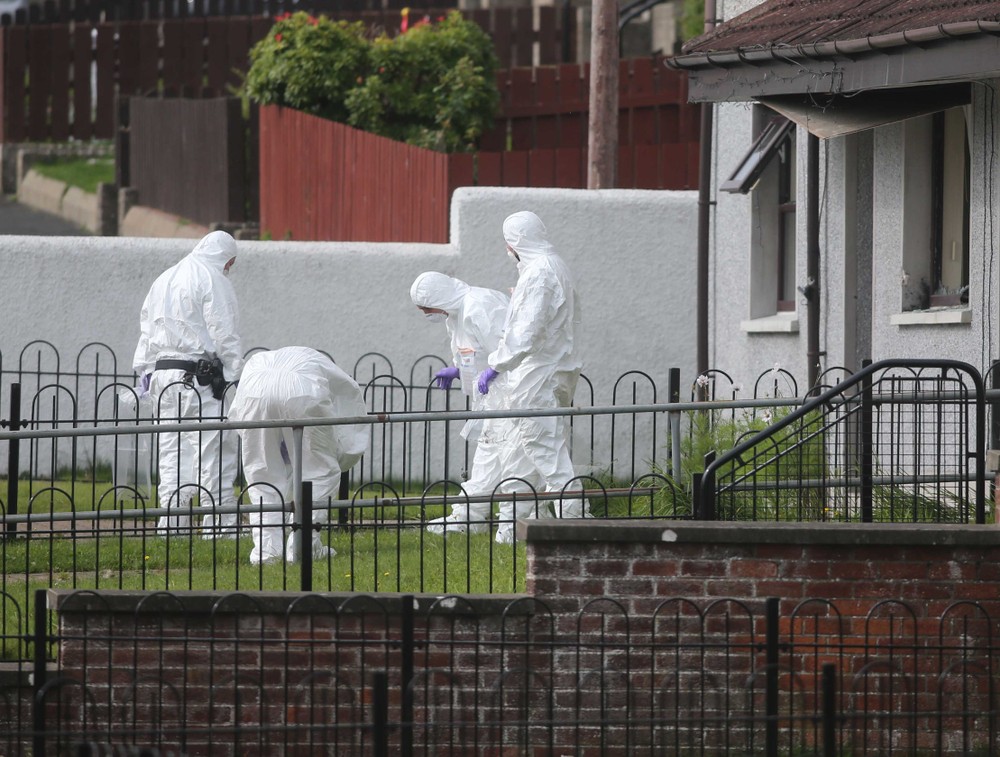
Crime scene cleaning begins after police, forensic teams, medical examiners, or other authorities have completed their work and released the scene. At that point, the area may still contain blood, body fluids, tissue, contaminated materials, sharps, and odor sources that are not safe to handle without professional training.
This article explains what must be removed for safety once the investigation is complete and cleanup is the next step.
Confirm That the Scene Has Been Released
Crime scene cleaning should not begin until the proper authorities have finished their work. Before that point, nothing should be moved, wiped, removed, or disturbed. Furniture, flooring, personal items, damaged materials, and visible contamination may still be part of the investigation.
Once the scene has been released, the priority changes from preserving evidence to protecting people from exposure. A released scene is not automatically safe. It simply means the investigative process has ended and cleanup can now be arranged.
The area should remain restricted until trained crime scene cleaning professionals assess it. Children, pets, tenants, employees, visitors, and unnecessary personnel should not enter the affected space. Even a short walk through the area can carry contamination into hallways, vehicles, other rooms, or shared spaces.
Secure the Area Without Touching Contamination
The only actions that should be taken before professional cleanup are basic safety measures. These actions should not involve contact with blood, body fluids, tissue, damaged materials, or affected belongings.
If it can be done without entering the contaminated area, doors may be closed and access can be limited. In a home, that may mean keeping family members away from the room. In a business, rental property, or shared building, that may mean preventing staff, tenants, customers, or visitors from entering.
No one should attempt to collect belongings, move furniture, mop floors, spray disinfectant, remove carpet, lift flooring, or discard items. These actions can spread biological material and make the cleanup more difficult. They can also create exposure risks for the person attempting to help.
Identify the Affected Areas
Professional crime scene cleaning begins with an assessment of visible and hidden contamination. The visible area is only the starting point. Blood and body fluids can travel farther than expected, especially when they reach porous materials, seams, cracks, and lower building layers.
Contamination may move under baseboards, into carpet padding, through flooring joints, behind trim, into drywall, inside furniture, and beneath subflooring. In some cases, the affected area may extend beyond the room where the incident occurred.
This assessment determines what can be cleaned and disinfected, what must be removed, and whether building materials need to be opened for safe access. The goal is to remove the source of contamination, not simply improve the appearance of the space.
Remove Immediate Physical Hazards
Before detailed cleaning begins, professionals remove or isolate physical hazards that could cause injury or exposure. These may include broken glass, splintered wood, damaged metal, exposed nails, needles, razors, sharp fragments, or unstable flooring.
These items are especially dangerous when blood or body fluids are present. A sharp object can puncture gloves, skin, bags, or protective clothing. If that object is contaminated, the risk becomes more serious.
For this reason, crime scene cleaning does not begin with ordinary trash removal. Items that look like debris may require controlled handling, containment, and disposal.
Remove Blood and Body Fluid Contamination
Blood, body fluids, and tissue must be removed before disinfection can take place. Disinfectant should not be sprayed over visible biological material as a replacement for proper removal. Organic material can prevent disinfectants from working correctly.
Professional cleanup teams remove pooled fluids, dried blood, residue, tissue, and contaminated disposable materials using appropriate protective equipment and containment procedures. Once the visible biological material is removed, the affected surfaces can be cleaned and disinfected according to the condition of the material.
This step must be handled carefully because contamination can spread during removal if the wrong tools or methods are used.
Remove Contaminated Carpet and Padding
Carpet and carpet padding often need to be removed after a crime scene. Carpet fibers may show the visible stain, but the padding underneath can hold much more contamination. Once blood or body fluids reach the padding, surface cleaning the carpet is not enough.
Padding absorbs moisture and can retain odor. It can also hide contamination even after the surface appears cleaner. If contaminated padding remains in place, the area may continue to smell and may not be safe for normal use.
In many cases, affected carpet and padding must be cut out, contained, and disposed of properly.
Remove Affected Flooring
Hard flooring must be assessed based on the material, condition, and depth of contamination. Some nonporous surfaces may be cleaned and disinfected if contamination remains on the surface. Other flooring materials may need partial or full removal.
Wood, laminate, damaged vinyl, flooring seams, and older materials can allow fluids to pass through gaps, joints, nail holes, or cracks. When contamination reaches the underside of the flooring, cleaning the top surface does not remove the hazard.
If blood or body fluids reach the subfloor, affected sections may need to be removed. This is especially common in unattended death or decomposition situations, where fluids may have remained in place long enough to saturate deeper materials.
Remove Contaminated Subflooring
Subflooring is one of the most important areas to inspect when fluids have moved below the finished floor. A room may look cleaner after surface materials are removed, but contamination can remain in the wood or structural layer underneath.
When subflooring absorbs biological material, it can continue to hold odor and contamination. Sealing over it is not always a safe or complete solution if the affected material has not been removed first.
Professional crime scene cleaners determine whether the subfloor can be treated or whether sections need to be cut out. The decision depends on the amount of contamination, the type of material, and how deeply fluids have penetrated.
Remove Contaminated Drywall
Walls must be inspected when blood, tissue, or body fluids have reached them. Painted surfaces may sometimes be cleaned and disinfected when contamination stays on the surface. Drywall is different when fluid penetrates the material.
Drywall is porous. If blood or body fluids soak into it, cleaning the outside does not remove what has entered the wall. In those cases, affected sections must be cut out and removed.
The same applies to wall cavities. If contamination has reached insulation, framing, or the space behind the wall, those areas must be assessed and addressed. Leaving contaminated material behind can cause persistent odor and continued exposure risk.
Remove Baseboards, Trim, and Hidden Material
Baseboards, trim, and molding can hide contamination. Fluids may run behind them, settle along the wall line, or enter small gaps between the floor and wall. These areas are easy to miss during surface cleaning.
If contamination is present behind trim, the affected pieces may need to be removed. Cleaning only the visible face of the wall or floor may leave biological material behind.
This is one reason professional assessment is necessary. Crime scene cleaning requires attention to how fluids move through a room, not just where stains are visible.
Remove Upholstered Furniture
Furniture must be evaluated by material and exposure level. Hard, nonporous furniture may sometimes be cleaned and disinfected when contamination is limited to the surface. Upholstered furniture is much more difficult.
Sofas, fabric chairs, cushions, pillows, and padded furniture can absorb blood and body fluids into foam, seams, stitching, batting, and internal framing. Once contamination enters those layers, the item often cannot be safely cleaned from the outside.
In many cases, directly affected upholstered furniture must be removed and disposed of through proper channels.
Remove Mattresses and Bedding
Mattresses and bedding require careful handling because they absorb fluids quickly. Blood and body fluids can move through sheets, mattress covers, foam, springs, seams, and inner layers.
A mattress may look affected only on the surface, but contamination can extend deep inside. Surface cleaning is usually not enough when a mattress has been directly exposed.
Contaminated sheets, blankets, pillows, mattress toppers, and mattresses often need to be removed. Professionals determine whether any items can be safely cleaned or whether they must be discarded.
Remove Contaminated Personal Items
Personal belongings must be handled with care, but safety must guide the decision. Some items may be recoverable if they are nonporous and were not heavily exposed. This can include certain metal, glass, sealed plastic, or finished objects.
Porous belongings are more difficult. Paper, books, cardboard, clothing, fabric items, unfinished wood, stuffed items, and absorbent keepsakes may hold biological material. If these items were directly exposed, they may need to be removed.
This part of crime scene cleaning can be difficult because personal items may have emotional value. A professional cleanup provider can help separate items that may be recoverable from those that cannot be safely kept.
Remove Odor Sources
Odor after a crime scene, unattended death, or decomposition event usually means a source remains. Air fresheners, candles, sprays, and fragrance treatments do not resolve the problem. They only mask it for a short time.
Odor can come from carpet padding, subflooring, drywall, furniture, bedding, personal contents, or hidden biological material. The source must be located and removed before odor treatment can be effective.
If odor remains after cleaning, it often means contaminated material is still present. Proper crime scene cleaning focuses on removing the source before any odor control process is used.
Handle Contaminated Waste Properly
Materials removed from a crime scene cannot always be treated as ordinary trash. Items saturated with blood or body fluids, contaminated sharps, heavily affected disposable materials, and certain biological waste may require special packaging, transport, and disposal.
This may include carpet, padding, sections of flooring, drywall, insulation, bedding, upholstery, protective equipment, cleaning materials, and other affected contents. Proper containment helps prevent leaks, contact, and cross contamination during removal.
Professional crime scene cleaners understand how to separate, package, and dispose of contaminated waste based on the type of material and level of exposure.
Clean and Disinfect Remaining Surfaces
After unsafe materials are removed, remaining surfaces must be cleaned and disinfected. Cleaning removes residue and organic material. Disinfection targets microorganisms on surfaces after cleaning has taken place.
This step applies to surfaces that are safe to keep, such as certain hard flooring, fixtures, sealed surfaces, walls, counters, or nonporous objects. The correct disinfectant must be used according to its label, including contact time and surface instructions.
Cleaning and disinfection should happen only after the contaminated materials that cannot be saved have been removed. Otherwise, the source of contamination may remain behind.
Prepare the Area for Restoration
Crime scene cleaning and restoration are related, but they are not the same. Cleanup focuses on removing contamination, disinfecting remaining surfaces, and making the area safer. Restoration focuses on repairing or replacing what was removed.
After cleanup, the property may still need new flooring, drywall, trim, insulation, paint, or other repairs. These repairs should happen only after the affected materials have been properly removed and the remaining area has been cleaned and disinfected.
Trying to repair contaminated materials can create long term problems. Safe restoration depends on proper cleanup first.
Professional Crime Scene Cleaning Support
After police and forensic teams have finished their work, the scene may still contain serious hazards. Blood, body fluids, tissue, contaminated contents, damaged materials, and odor sources can remain even after the investigation is complete.
Remnant provides professional crime scene cleaning, blood cleanup, death and suicide cleanup, biohazard cleanup, hoarding cleanup, and drug cleanup support. The work focuses on safe containment, removal of contaminated materials, cleaning, disinfection, odor source treatment, and careful handling of affected spaces.
If a scene has been released and cleanup is now the next step, reach out to Remnant before anyone enters, removes items, or attempts to clean the affected area.
Learn