Aftermath Blood Cleanup: What Standard Cleaning Can’t Handle
Aftermath blood cleanup goes beyond surface cleaning. Learn why blood can spread into materials and what proper cleanup needs.
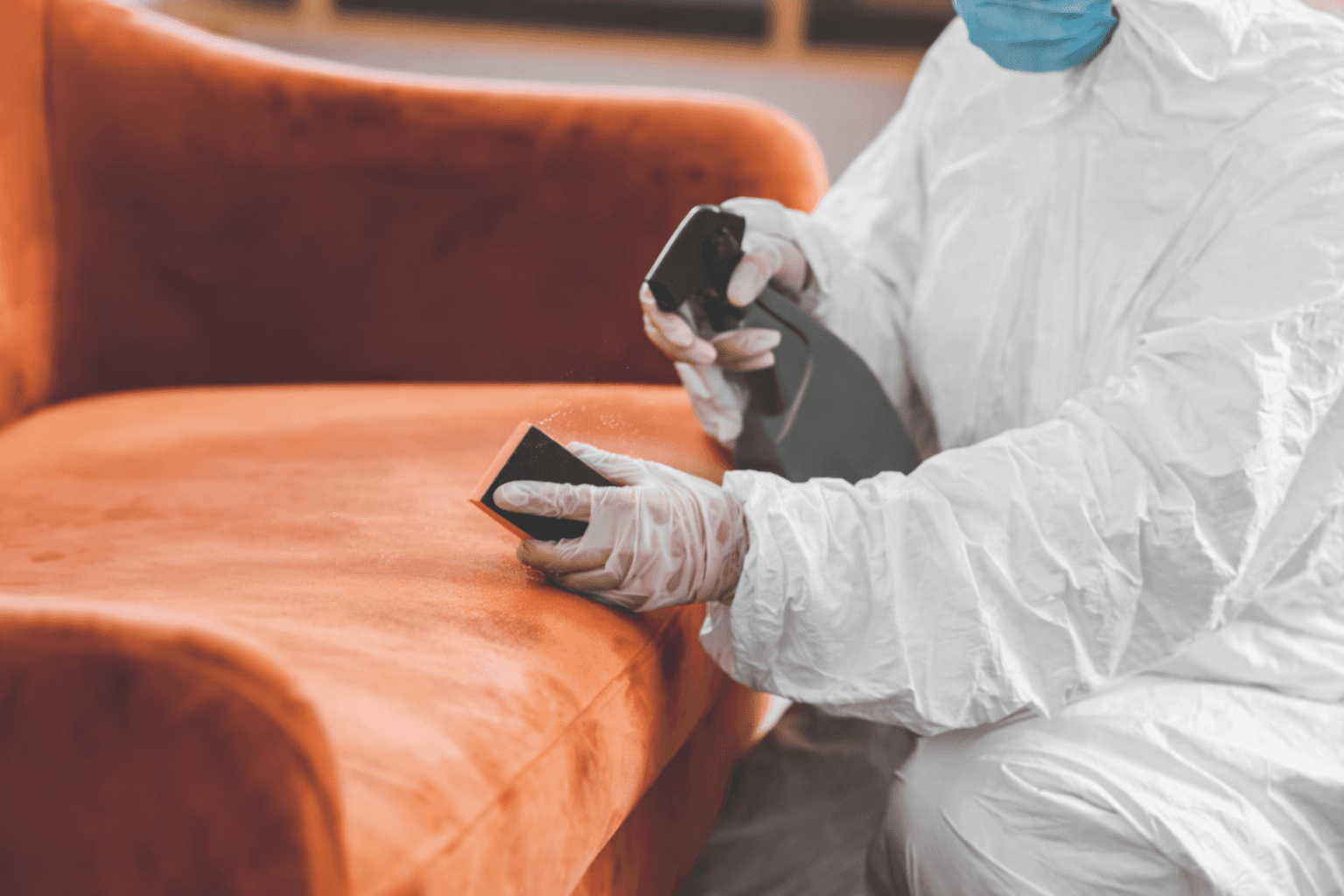
Blood cleanup after a traumatic event is rarely as simple as it looks.
What many people picture is a stain on the floor, a strong cleaner, and a few hours of work. That picture leaves out the most important part. Blood cleanup is not only about what is visible. It is about where the blood traveled, what it touched, what it soaked into, and whether the surrounding area is still safe once the obvious signs are gone.
That is what makes aftermath blood cleanup different from standard cleaning. Standard cleaning is built for routine messes, surface sanitation, and everyday upkeep. Blood cleanup after an accident, violent incident, or other traumatic event belongs to a very different category. Remnant’s internal brief makes that clear by listing blood cleanup as one of its core services and noting that blood and fluids can get into flooring, carpet, subfloor, and drywall, sometimes requiring extensive cleanup and removal when materials become saturated.
What Standard Cleaning Is Designed to Do
Standard cleaning has a clear purpose. It removes surface dirt, wipes away spills, improves appearance, and helps maintain a healthier environment for daily use.
That works well for ordinary conditions.
A regular cleaning routine can handle dust, tracked in dirt, minor spills, smudges, and general buildup on accessible surfaces. It is designed to restore cleanliness, not to respond to trauma related contamination.
That distinction matters because blood is not treated like an everyday spill. Once blood enters porous materials or reaches areas below the surface, the question changes. It is no longer about cleaning what can be seen. It becomes a matter of understanding the full extent of contamination.
What Changes When Blood Is Involved
Blood changes the entire cleanup process because it can spread in ways people do not expect.
A hard surface may show one visible stain while the surrounding materials hold much more. The carpet may absorb more than the top layer suggests. Seams in flooring can allow material to move farther than it first appears. Soft furniture, trim, and nearby drywall may also be affected depending on the scene.
This is why blood cleanup after a traumatic event has to begin with evaluation, not scrubbing.
The visible area can only tell part of the story. In some cases, the cleanup stays fairly contained. In others, the contamination reaches materials that can no longer be safely restored. Remnant’s brief even points to shooting related cleanup as a real use case, which highlights how blood cleanup can involve much more than a small, isolated stain.
What Happens First in Aftermath Blood Cleanup
The first stage is assessing the scene.
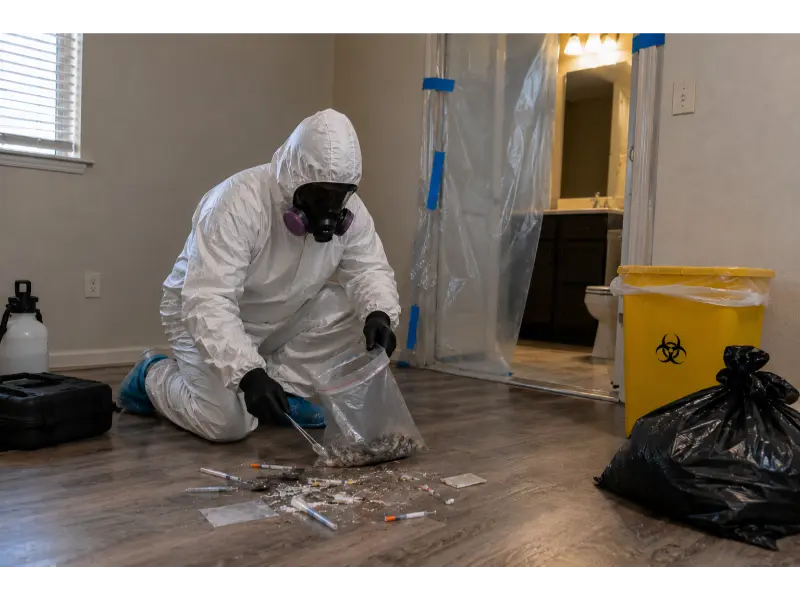
Before anyone starts cleaning, the affected area has to be understood clearly. Professionals need to determine where the blood is visible, where it may have spread, and which materials are involved. They also need to understand whether the problem stays at the surface or extends into layers below it.
This step shapes the rest of the job.
If the blood stayed on a non absorbent surface and the surrounding area was not affected, the response may be more limited. If the blood soaked into flooring, carpet, padding, or other porous materials, the cleanup becomes much more involved. The purpose of this early stage is to prevent false assumptions. A room can look manageable at first and still contain deeper contamination.
Why Surface Results Can Be Misleading
One of the biggest reasons standard cleaning falls short is that it focuses on what the eye can confirm.
That is not a reliable standard in blood cleanup.
A surface may look dramatically better after being wiped down, but that improvement does not prove the problem is resolved. If blood entered the material underneath, the real issue may still be there. This is especially important in rooms with carpet, wood based flooring, upholstery, baseboards, or wall materials that can absorb fluid.
That is why appearance cannot be the only measure of success. A room that looks cleaner is not necessarily a room that has been properly addressed.
When the Cleanup Moves Beyond the Surface
After the scene has been evaluated, the next question is whether the cleanup can stay at the surface level.
In many traumatic scenes, it cannot.
That shift happens when blood has soaked into materials that are not easily treated or restored. Once that happens, the cleanup is no longer just a matter of wiping, disinfecting, and moving on. It becomes a process of deciding what has to be removed, what can remain, and what the property will need before it is truly back in usable condition.
This is where aftermath blood cleanup separates itself most clearly from standard cleaning. Standard cleaning is meant to preserve the space as it is. Blood cleanup sometimes has to change the space in order to deal with what happened inside it.
What Materials Often Create the Biggest Problem
Porous materials are what usually make a blood cleanup job more complicated.
Carpet is one of the clearest examples. What shows on the carpet face may not reflect what reached the padding underneath. Wood can also create serious problems because blood may move into cracks, edges, and lower layers. Drywall and trim can hold contamination if the scene involves impact, spray, or prolonged exposure.
This is consistent with Remnant’s internal notes, which describe blood and fluids reaching floor, carpet, subfloor, and drywall, and note that some jobs require large sections of flooring to be cut out because the wood becomes saturated.
The more absorbent the material, the less useful standard surface cleaning becomes.
Why Removal Is Sometimes Necessary
This is often the point that surprises people the most.
Many assume the job will end with a thorough cleaning and disinfecting process. Sometimes it can. But once blood has penetrated deeply into a material, keeping that material in place may not be the right choice.
That is why aftermath blood cleanup can include removal.
The decision is not based on appearance alone. It is based on whether the material can actually be restored in a way that addresses the contamination. If the answer is no, removal becomes part of the solution. That may apply to carpet, padding, sections of flooring, subfloor, drywall, or soft contents near the affected area.
This is one of the main reasons standard cleaning cannot handle certain blood cleanup jobs. Standard cleaning is not built around removal decisions, structural impact, or restoration planning.
When Cleaning and Disinfection Actually Matter
Cleaning and disinfection still matter a great deal, but they come into the process after the most important decisions have already been made.
Once the affected area has been assessed and any unsalvageable materials have been dealt with, the remaining surfaces can be cleaned and disinfected properly. At that point, the focus shifts to the parts of the space that can still be treated and restored.
That sequence is important.
If someone starts with surface cleaning before understanding the full scene, they may improve appearance without solving the actual problem. In a proper process, cleaning and disinfection are part of the resolution, not a shortcut around the harder parts of the job.
Why Some Scenes Turn Into Restoration Projects
Not every blood cleanup stays limited to one room or one surface.
Some scenes affect the property itself in a larger way. Flooring systems, wall materials, or built in features may become part of the cleanup. Once that happens, the job moves closer to a restoration issue.
This is one reason scope can vary so much. Two different scenes may both involve blood, but the level of work needed can be completely different. One may require controlled cleanup and surface treatment. Another may require removal, repairs, and a more involved return to normal use.
That is why it is risky to think of aftermath blood cleanup as a standard service with a standard answer. The process depends on the actual condition of the space.
What Property Owners Often Need to Know Right Away
For most people, the most helpful thing to understand is that the first visible stain is not always the true size of the problem.
That explains why professional cleanup often starts slower than expected. The goal is not to rush into wiping down the room. The goal is to understand the scene correctly so the cleanup matches reality.
It also explains why a room may need more than sanitation. If the blood changes the condition of the materials around it, then the cleanup has to respond to that, not just to the visible mark left behind.
Once people understand this, the phrase aftermath blood cleanup starts to make more sense. It is not just cleanup after blood. It is cleanup after an event that may have affected the safety and structure of the space in ways standard cleaning cannot address.
Why Professional Judgment Matters so Much
The biggest difference between routine cleaning and blood cleanup is judgment.
Someone has to determine how far the contamination is likely to spread. Someone has to tell the difference between a treatable surface and a material that should not remain. Someone has to understand when the job is still a cleaning problem and when it has become a remediation and restoration problem.
That level of judgment is what standard cleaning is missing in these situations.
Remnant’s brief places blood cleanup alongside death and suicide cleanup, biohazard cleanup, crime scene cleanup, hoarding cleanup, and drug cleanup, which shows how this service fits within a broader group of specialized, high consequence cleanup work.
The Real Reason Standard Cleaning Cannot Handle It
At the core of it, standard cleaning cannot handle aftermath blood cleanup because it is designed for maintenance, not trauma.
It can improve appearance. It can remove everyday mess. It can sanitize accessible surfaces under normal conditions.
What it cannot do is fully account for hidden spread, saturation of porous materials, removal of compromised sections, or the property level decisions that follow a serious blood related scene. Those are the parts that define aftermath cleanup, and those are the parts that change the job entirely.
Call Remnant for Aftermath Blood Cleanup
Aftermath blood cleanup can involve much more than surface cleaning. When blood reaches carpet, flooring, subfloor, drywall, or other absorbent materials, the job may require careful evaluation, removal of affected sections, cleaning of the remaining area, and the right next steps for restoration. Remnant’s internal brief reflects exactly that kind of work, including blood cleanup as a core service and noting that severe scenes can require extensive cleanup when materials become saturated.
If you need help after a traumatic event involving blood or other biohazard contamination, Remnant can help you move forward with care and professionalism. Reach out today to speak with a team that knows how to assess the damage, handle the cleanup properly, and restore the space as safely as possible.
Learn