What Is Putrefaction and How It Affects Properties
Putrefaction is the bacterial breakdown of tissues after death. Learn how it progresses indoors and why it can lead to fluid saturation and structural damage.
Putrefaction is a natural biological process that begins after death. It refers specifically to the breakdown of body tissues by bacteria, primarily those already present inside the body. While decomposition includes several stages, putrefaction is one of the most active and transformative phases.
Understanding putrefaction is important not only from a biological perspective but also from a property standpoint. When it occurs indoors, the process can affect flooring, walls, subflooring, and structural materials. The longer it continues, the more complex the impact on the surrounding environment becomes.
This article explains what putrefaction is, when it begins, how it progresses over time, and how it can influence indoor spaces.
What Putrefaction Means in Biological Terms
Putrefaction is the process by which organic tissues break down due to bacterial activity in the absence of oxygen. After death, the body no longer regulates internal systems. Bacteria that normally exist in the digestive tract begin spreading into surrounding tissues.
As these bacteria multiply, they digest proteins and other cellular components. This activity produces gases and liquids as byproducts. The process alters the structure of tissues, changes the internal chemistry of the body, and eventually affects the external environment.
Putrefaction is not instant. It follows a progression that unfolds over hours, days, and weeks depending on environmental conditions.
The First Phase: Internal Breakdown
In the early hours after death, the body undergoes autolysis, which is self digestion at the cellular level. During this period, cells begin breaking down due to the absence of oxygen. This stage sets the foundation for putrefaction.
Putrefaction begins shortly after autolysis. Bacteria move beyond the digestive system and begin digesting surrounding tissues. This internal activity leads to the production of gases such as hydrogen sulfide, methane, and ammonia.
At this stage, most of the changes remain internal. However, pressure begins to build inside the body as gases accumulate.
Gas Formation and Tissue Expansion
As bacterial activity intensifies, gas production increases. This causes swelling as gases expand within the body. The buildup of pressure may eventually cause tissues to rupture.
Gas expansion is one of the defining features of putrefaction. It signals that bacterial breakdown is active and progressing.
Inside a property, this stage may begin within several days depending on temperature. Warmer indoor conditions accelerate bacterial growth and gas formation. Cooler spaces may slow the process but do not prevent it.
As pressure increases and tissues weaken, fluids begin to shift within the body.
Fluid Release and Environmental Impact
One of the most significant aspects of putrefaction from a property perspective is the release of bodily fluids. As tissues degrade, liquids may escape and come into contact with surrounding materials.
Porous surfaces are especially vulnerable. Carpet, mattress materials, unfinished wood, and fabric can absorb fluids quickly. Once absorbed, organic matter may penetrate below the visible surface.
Over time, fluids can reach subflooring and structural components. In some cases, moisture can migrate beyond the original contact point, especially if the body remains in place for an extended period.
The longer putrefaction continues indoors, the greater the potential for structural contamination.
Color Changes and Surface Effects
Putrefaction also causes visible changes to tissues. As hemoglobin breaks down, skin discoloration may occur. Although these changes primarily affect the body, secondary staining can occur on surfaces beneath it.
Materials in direct contact may develop staining that cannot be removed through standard cleaning methods. Organic residues can bind to fibers and porous surfaces.
At this stage, contamination is not limited to what can be seen. Microscopic biological material may be present even if the surface appears dry.
Advanced Putrefaction Over Weeks
As putrefaction progresses into later stages, much of the soft tissue may break down substantially. Liquefaction of tissues can occur in moist environments. In drier indoor settings, partial drying may slow further breakdown.
By this point, the internal structure of the body has largely collapsed. What remains depends on temperature, humidity, and airflow.
From a property standpoint, the impact becomes more complex as time increases. Organic matter that has seeped into structural materials continues to degrade. This ongoing breakdown can compromise the integrity of certain materials and make restoration more difficult.
Extended timelines often require removal of affected sections rather than surface treatment alone.
Environmental Factors That Influence Putrefaction Indoors
While putrefaction follows a predictable biological pattern, the rate and severity vary based on indoor conditions.
Temperature
Temperature is the most influential factor. Bacterial activity increases in warmer conditions. In heated indoor spaces, putrefaction can progress rapidly within days. Cooler environments slow bacterial growth but do not halt it completely.
Humidity
Moisture supports microbial processes. High humidity allows tissues to remain moist, sustaining bacterial activity. Low humidity may encourage drying, which can alter the course of breakdown but does not eliminate contamination.
Airflow
Ventilation influences how moisture and heat accumulate in a space. A sealed room may retain heat and humidity, accelerating internal breakdown. Spaces with airflow may experience partial drying.
Surface Type
The materials surrounding the body determine how far fluids and organic matter can spread. Sealed surfaces may limit absorption, while porous materials allow deeper penetration.
Understanding these variables helps explain why no two indoor cases are identical.
Structural Consequences of Extended Putrefaction
When putrefaction continues for days or weeks indoors, structural consequences may extend beyond surface staining.
Fluids that penetrate flooring can reach subflooring. In multi level buildings, moisture may migrate downward through seams or gaps. Wall materials in contact with contaminated flooring may absorb organic residue.
Organic matter trapped within structural materials does not resolve on its own. It can continue to degrade until removed. Over time, this may lead to persistent contamination that cannot be addressed through cleaning alone.
In many extended cases, restoration involves removing saturated materials to fully eliminate contamination.
Health and Safety Considerations
Putrefaction involves active bacterial processes. While the risk level depends on the circumstances, direct contact with contaminated materials should be avoided.
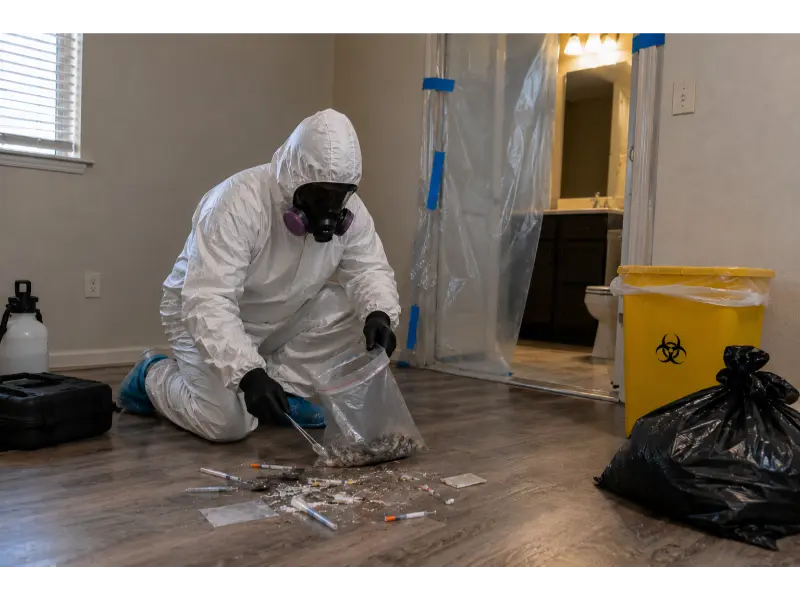
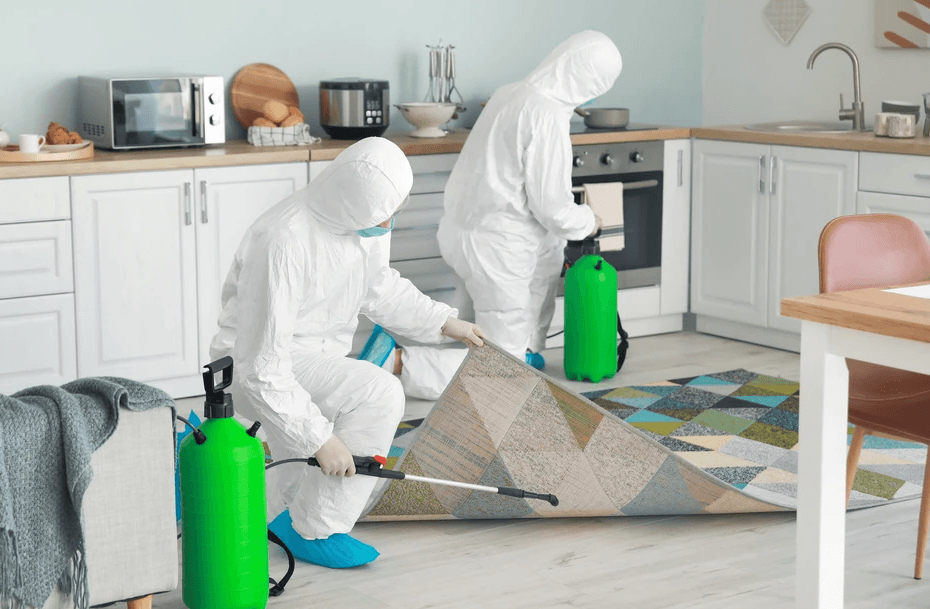
Professional remediation teams use protective equipment and established protocols to reduce exposure risks. This includes identifying all affected materials and ensuring that contamination is removed rather than concealed.
Attempting to manage advanced putrefaction without proper equipment can increase health risks and may result in incomplete restoration.
Why Understanding Putrefaction Matters
Putrefaction is a natural biological process, but when it occurs indoors, it becomes more than a scientific concept. It affects the integrity of the surrounding environment.
Recognizing how the process unfolds over time clarifies why early intervention matters. It also explains why delayed discovery often leads to more extensive restoration work.
The longer bacterial activity continues in a contained indoor setting, the more likely structural materials will be affected.
Restoring a Property After Putrefaction
When putrefaction has affected a property, the damage often extends beyond what is immediately visible. Fluids can saturate subflooring, compromise structural materials, and settle into seams and cavities where standard cleaning cannot reach. Addressing only the surface leaves contamination behind.
Remnant handles indoor cases involving advanced biological breakdown with a direct, structured remediation approach. We identify the full extent of impact, remove compromised materials when necessary, and restore the affected area to a safe condition. If putrefaction has occurred inside your property, contact Remnant immediately to ensure the issue is resolved thoroughly and correctly.
Learn