What Is Bioremediation in Biohazard Cleanup?
Bioremediation plays a bigger role in biohazard cleanup than most people think. See how it connects to deeper contamination and proper cleanup.
If you are wondering what bioremediation is, the short answer is simple. Bioremediation is the process of using living microorganisms to break down organic contamination. In plain terms, it means natural biological activity helps reduce harmful matter over time.
That sounds like something limited to environmental science, but the idea matters in biohazard cleanup too. The reason is simple. Not every contamination problem stays on the surface. Some materials absorb blood, bodily fluids, and decomposition related waste deep below what you can see.
That is where this topic becomes important.
Why This Matters in Biohazard Cleanup
People often hear the word bioremediation and assume it means one treatment that solves the whole problem. That is usually not how serious cleanup works.
In biohazard situations, the real issue is often not the visible stain. It is the hidden contamination underneath it.
That is especially true in scenes involving:
blood
bodily fluids
decomposition
trauma residue
contaminated porous materials
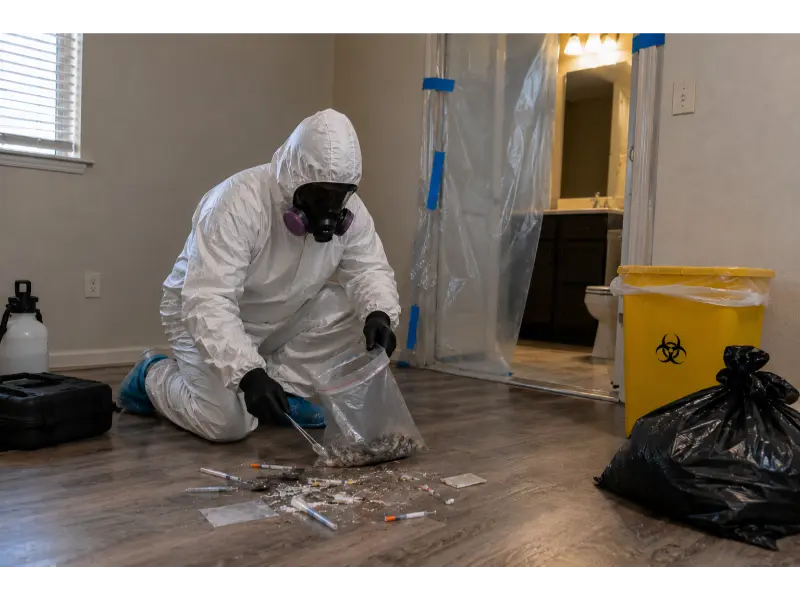
Remnant’s own service notes point to this exact problem, explaining that decomposition related fluids and fats can get into flooring, carpet, subfloor, and drywall, and may require extensive cleanup and demolition when wood becomes saturated.
So when people ask what is bioremediation in this context, they are really asking a deeper question: how do professionals deal with contamination that has become part of the space itself?
What Bioremediation Means in Practical Terms
In practical cleanup terms, bioremediation is not the same as routine cleaning.
It is not about wiping down a surface and moving on.
It is part of the broader idea of remediation, which focuses on reducing contamination in a way that actually addresses the source of the problem. In a biohazard setting, that means understanding how organic matter behaves, where it spreads, and what needs to happen to restore the area safely.
This is why the term can be confusing. It sounds like a single service, but it is really part of a larger remediation picture.
Why Surface Cleaning Is Not Always Enough
A major reason people misunderstand this topic is that contamination does not always stay where it starts.
A pool of blood on a hard floor may look contained. A strong odor in one room may seem like a surface issue. But once organic material gets into absorbent surfaces, the problem changes.
Instead of just cleaning what is visible, the cleanup now has to account for what has soaked in.
This is where ordinary cleaning falls short. A room can look better without actually being safe. Odor can improve for a while without the source being removed. Visible residue can disappear while contamination remains in carpet padding, wood, or wall material.
That is why professional cleanup focuses on the full path of contamination, not just the top layer.
Signs the Problem May Go Beyond the Surface
There are a few common signs that suggest a deeper issue may be present.
The odor lingers after cleaning
Staining seems larger than it first appeared
Flooring feels soft, warped, or discolored
Baseboards or drywall show damage
Carpet or padding has absorbed fluids
The scene involved decomposition or prolonged exposure
None of these signs should be ignored. They usually point to contamination that needs more than a standard surface treatment.
How a Real Biohazard Cleanup Process Works
The best way to understand where bioremediation fits is to look at the order of the work.
1. Assessment Comes First
Every serious cleanup starts with inspection.
Professionals need to determine what happened, what materials were affected, and how far the contamination spread. This stage matters because the visible mess is not always the whole problem.
A surface stain may only be the starting point.
2. Containment Protects the Area
Once the situation is assessed, the area has to be controlled.
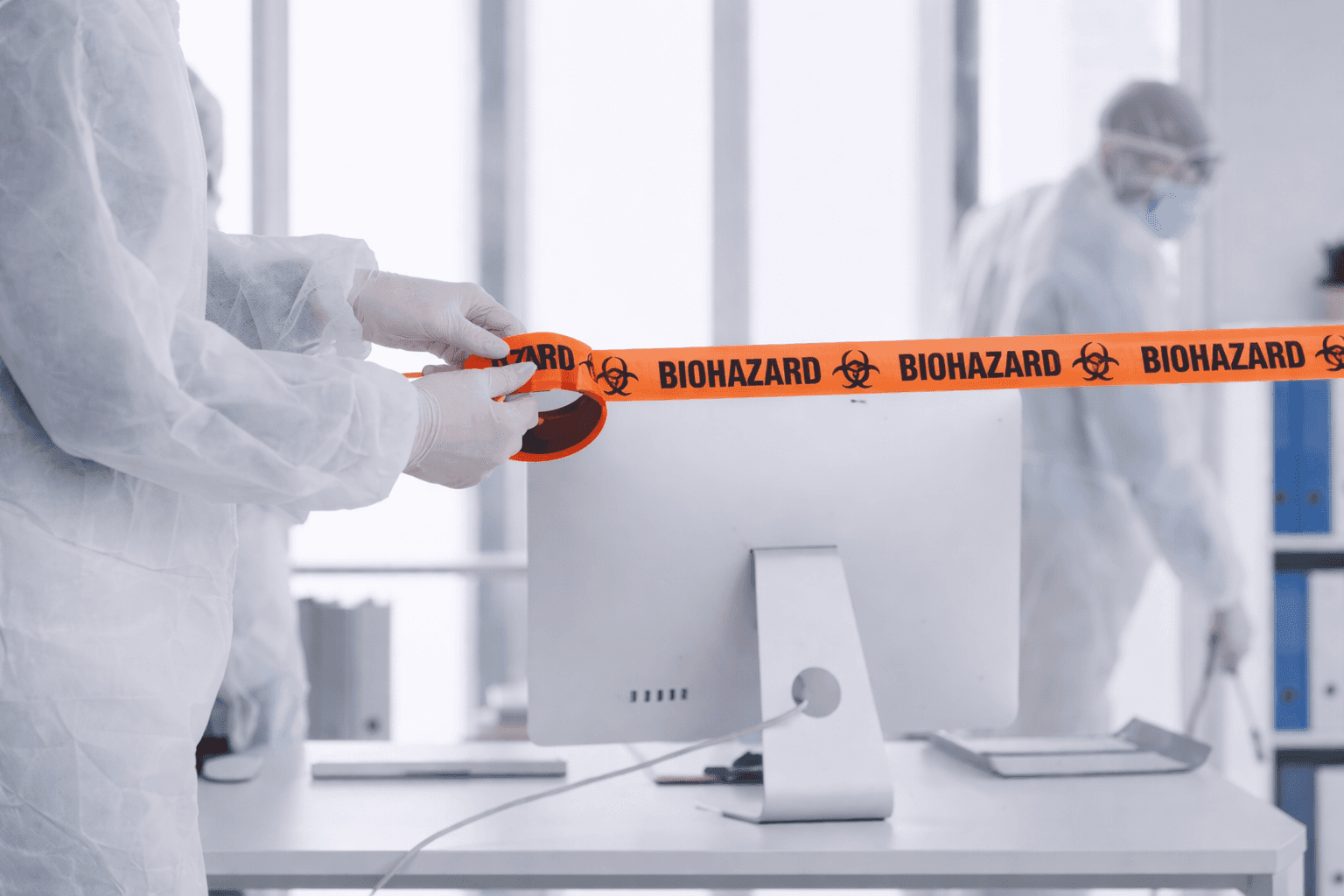
That means limiting spread, protecting anyone entering the scene, and handling the cleanup in a way that keeps the hazard from moving into nearby spaces.
Containment is not just a technical step. It is what keeps an already serious problem from becoming worse.
3. Removal Is Often Necessary
This is the point many people underestimate.
Not everything can be cleaned and saved. Some materials absorb too much contamination to be restored safely. In those cases, removal is the correct next step.
Materials that often need to be removed include:
carpet
carpet padding
subflooring
drywall
upholstered furniture
absorbent trim or soft materials
This lines up with Remnant’s service brief, which notes that some decomposition related jobs require large sections of the floor to be cut out because the wood is saturated with fluids.
4. Cleaning and Disinfection Follow
After affected materials are removed, the remaining area is cleaned and disinfected.
This stage matters, but it should not be confused with the entire remediation process. Cleaning and disinfection address accessible surfaces. Remediation addresses the broader contamination problem.
That difference is important.
5. Deeper Remediation May Still Be Needed
This is where the concept behind bioremediation becomes more relevant.
Once the immediate hazard is controlled, professionals look at whether deeper contamination still needs to be addressed. At this point, the job is no longer about surface appearance. It is about making sure the environment has been treated properly and that hidden contamination is not left behind.
That is why bioremediation makes more sense as part of a deeper cleanup conversation than as a simple stand alone fix.
Cleaning vs. Full Remediation
This comparison helps clarify the difference.
Cleaning | Full Remediation |
Focuses on visible residue | Focuses on the entire contamination issue |
Works at the surface level | Looks below the surface too |
Improves appearance | Aims to restore safety |
May reduce odor temporarily | Addresses the source of odor |
Fits routine messes | Fits serious biohazard situations |
This is one of the easiest ways to understand the term. If the issue is only surface level, basic cleaning may be enough. If contamination has spread into the structure, remediation becomes the real concern.
Common Misunderstandings About Bioremediation
This topic is often misunderstood because the word sounds more complete than it is.
Here are the mistakes people make most often.
They assume bioremediation means one product or treatment fixes everything
They confuse disinfection with full remediation
They assume contaminated materials can always be saved
They think appearance tells them whether the area is safe
They underestimate how far fluids can spread into porous materials
Each of those assumptions can lead to the wrong decision. In serious cleanup work, the right solution depends on the actual extent of contamination, not on how manageable the scene looks at first glance.
When Professional Cleanup Matters Most
Professional cleanup matters most when there is any chance that the contamination has moved beyond the visible area.
That includes scenes involving blood, bodily fluids, decomposition, drug residue, hoarding related hazards, or other biohazard conditions. Remnant’s internal service outline covers exactly these types of jobs, including death and suicide cleanup, biohazard cleanup, blood cleanup, crime scene cleanup, hoarding cleanup, and drug cleanup.
These are not situations where guesswork helps.
They need proper assessment, safe handling, removal decisions, cleaning, and restoration work that matches the real level of damage.
Why the Keyword Matters to the Reader
The reason people search for bioremediation is usually practical, not technical.
They want to know why cleanup becomes more involved in serious contamination cases.
They want to understand why some areas need demolition instead of simple cleaning.
And they want to know why a property can still have risk even after someone tries to scrub it down.
Once you understand bioremediation as part of deeper contamination control, the whole cleanup process makes more sense.
It explains why professionals inspect first.
It explains why some materials must be removed.
And it explains why real remediation is about more than making a room look clean again.
Call Remnant for Professional Help
Bioremediation is the biological breakdown of contamination, but in biohazard cleanup, that is only one part of the bigger picture. Serious cleanup involves finding the source, understanding how far the contamination has spread, removing materials that cannot be safely restored, and treating the area in a way that addresses the full problem.
That is why the right response matters from the start.
If you are dealing with blood, bodily fluids, decomposition, or another biohazard situation, Remnant can help you take the next step with the level of care the job requires. Reach out today to speak with a team that knows how to assess the damage, handle the cleanup properly, and restore the space as safely as possible.
Learn