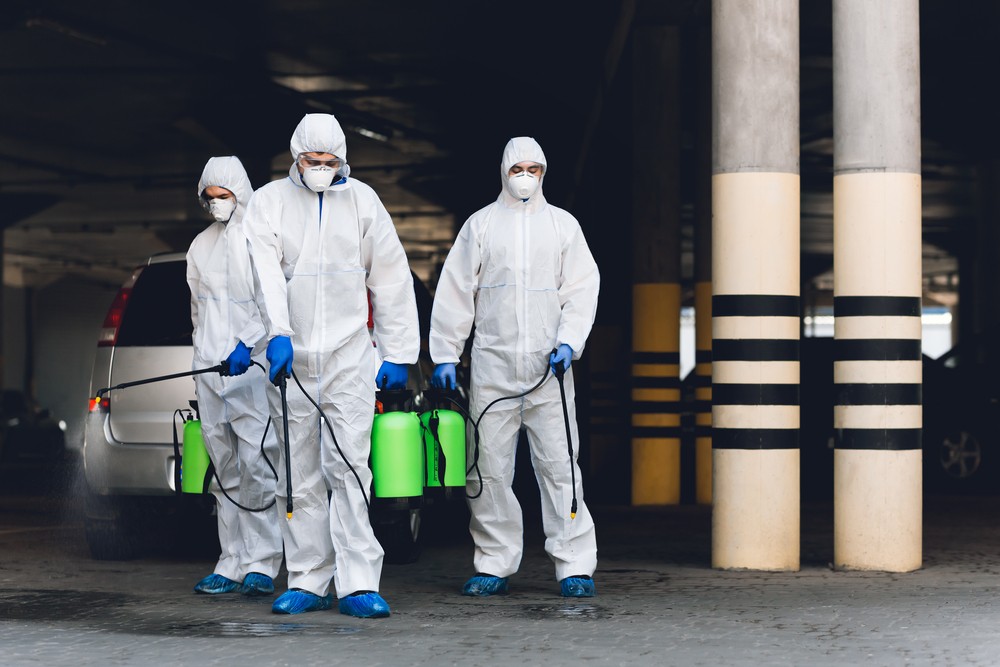
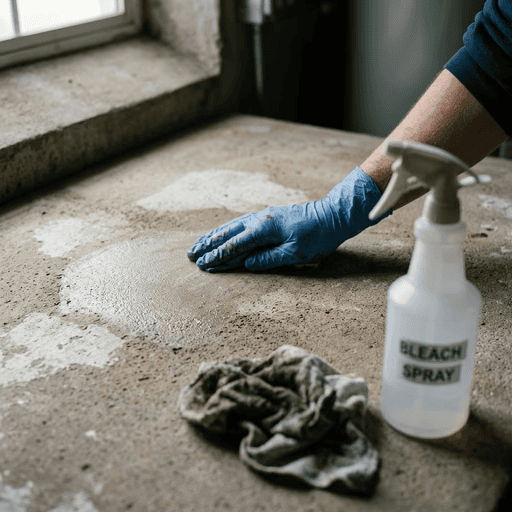
Standard cleaning crew
Stops at the Surface
Standard cleaning only treats visible surfaces, leaving hidden pathogens and odors trapped deep within.
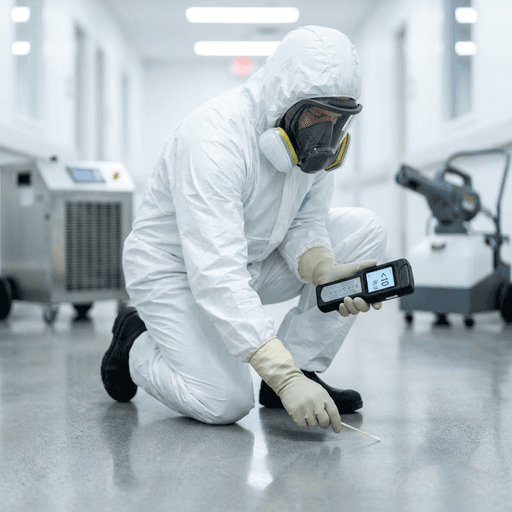
Remnant
Certified Decontamination
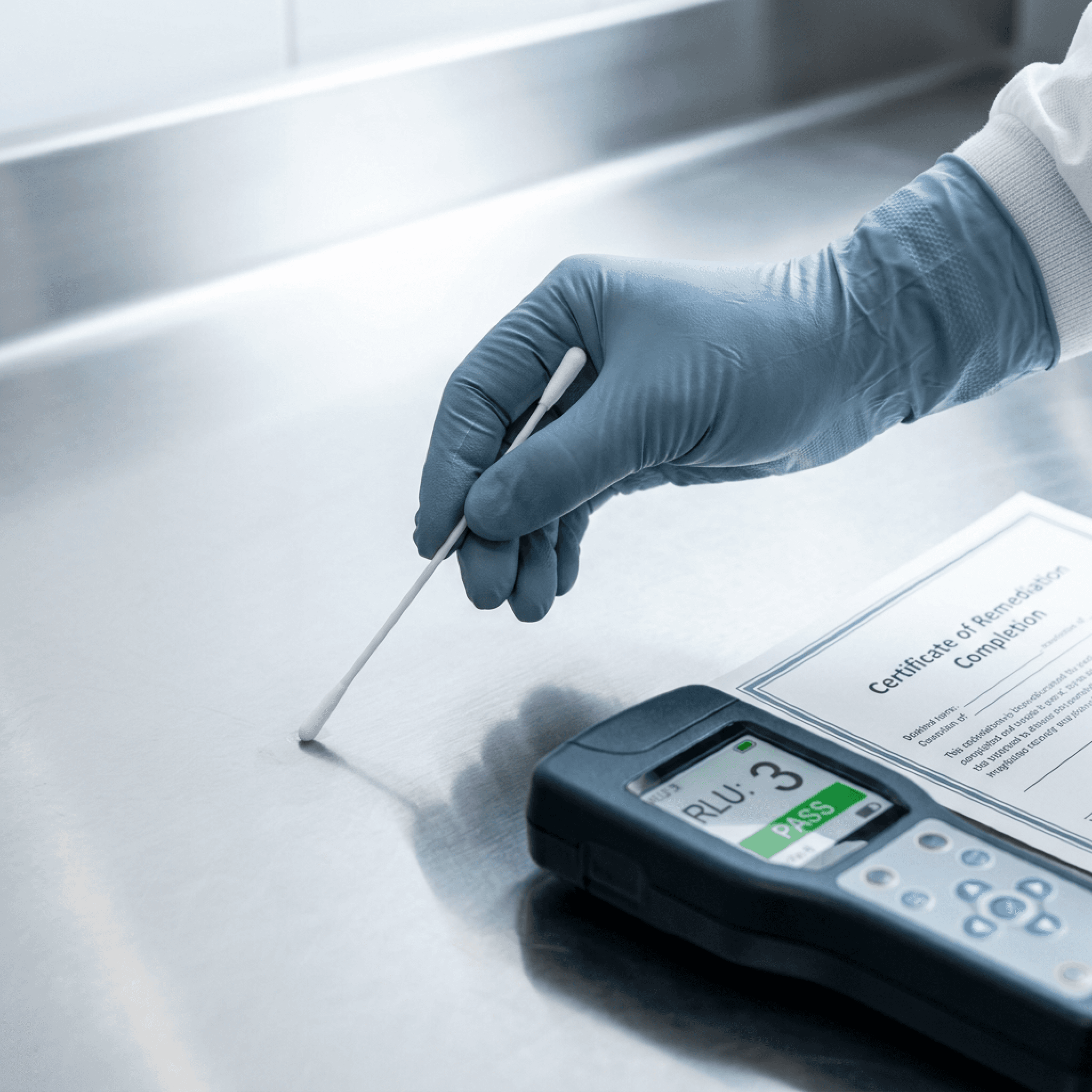
We eliminate biohazards at the molecular level, using advanced ATP testing to guarantee 100% decontamination.
From Seattle and the Valley out to Liberty Lake, Cheney, Airway Heights, and Mead, a technician is never far from the call.
What Families in Seattle Need to Know After a Death at Home
Seattle County is home to nearly 9,600 seniors living alone SeniorCare.com, which is part of why unattended deaths in private homes are a steady part of the work our crews handle. When someone passes alone, decomposition releases fluids and odors within hours, and the longer the time before discovery, the further that reach extends into flooring, drywall, and HVAC systems.
Once the medical examiner releases the scene, the cleanup falls to the family or property owner, and standard cleaning isn't built for it. Many Washington homeowner policies cover professional remediation, and we prepare what insurers need. Acting sooner limits how much of the home is lost.
Our Step-by-Step Death Cleanup Process
Family Walkthrough
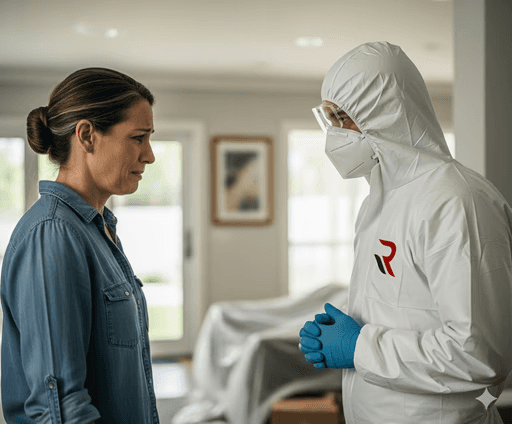
A technician arrives, walks the home with the family or representative, and explains what the cleanup will involve before anything begins.
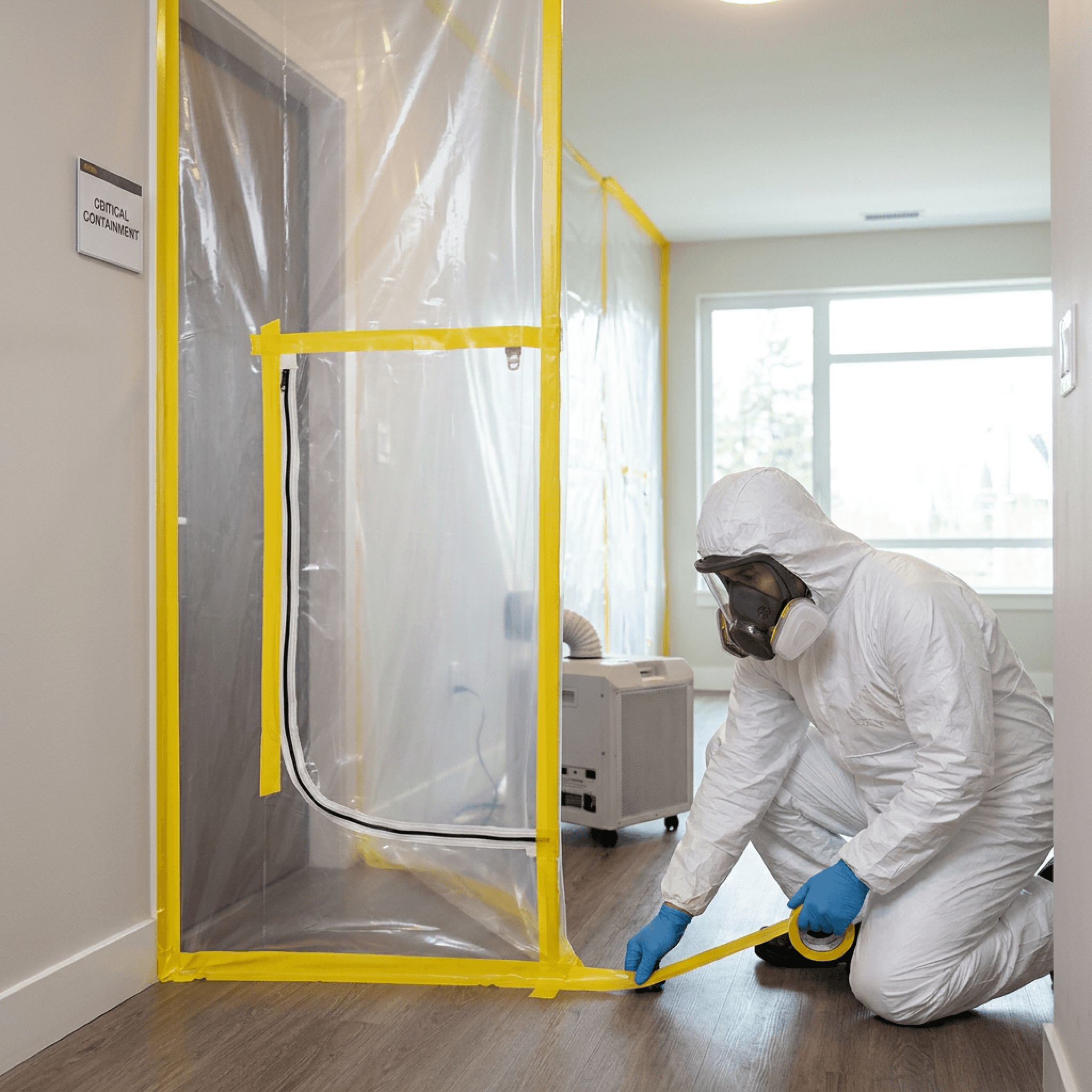
Scene Containment
Sheeting and air filtration close off the affected room so contamination and odor don't reach the rest of the home..
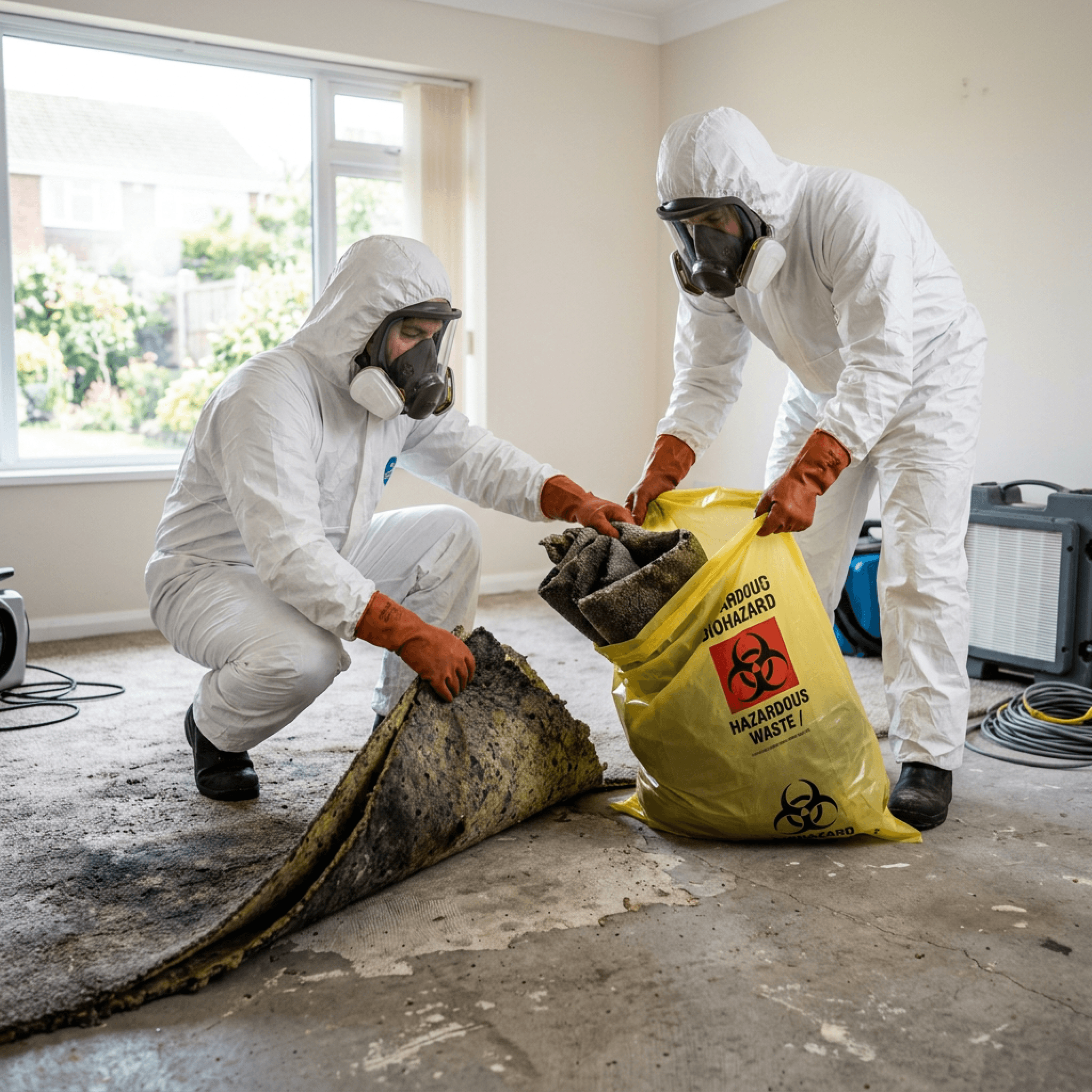
Material Removal
Flooring, padding, drywall, and any furniture that has absorbed biological matter is removed and disposed of through licensed channels.
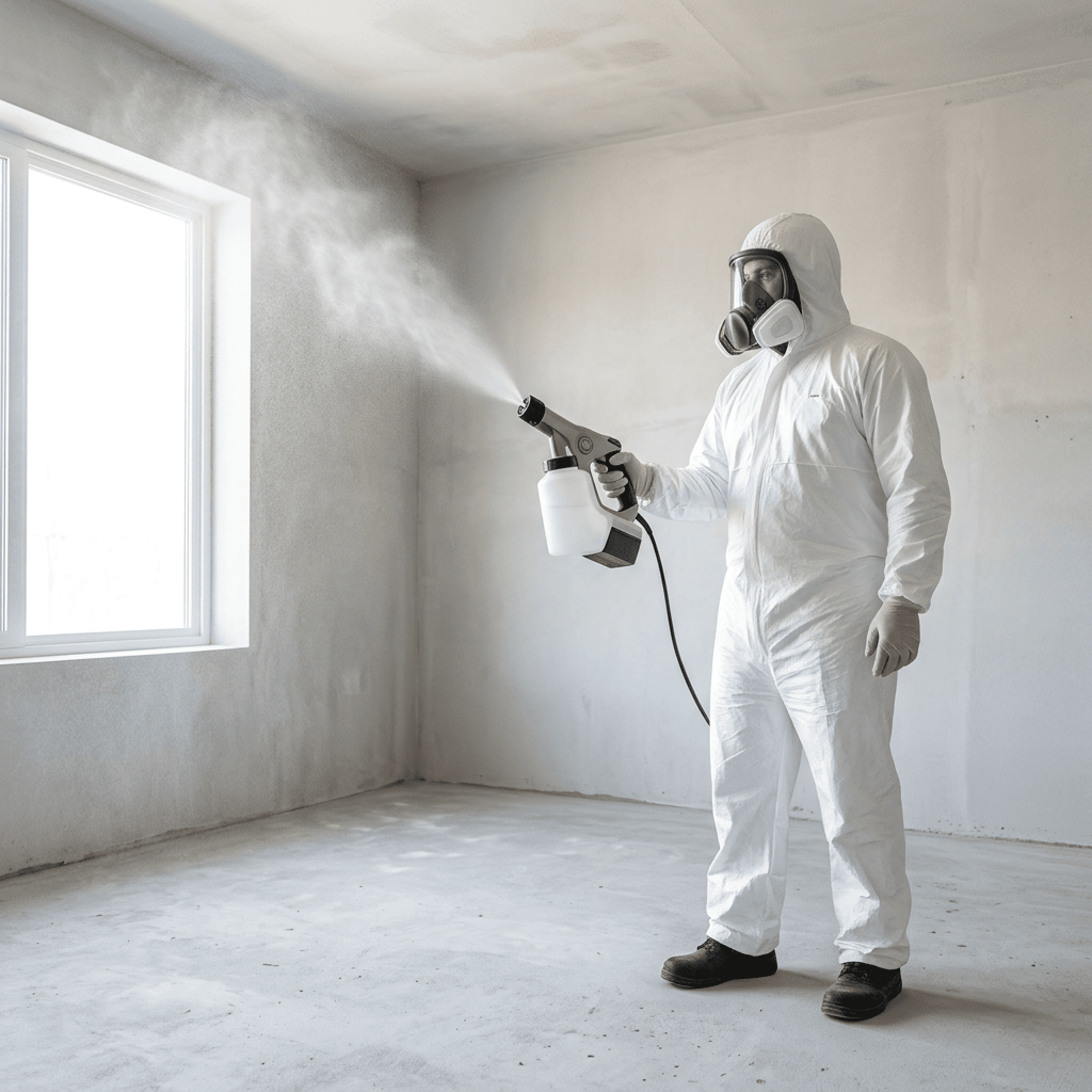
Deep Decontamination
Remaining surfaces are washed with hospital-grade disinfectants chosen for the pathogens present in decomposition events.
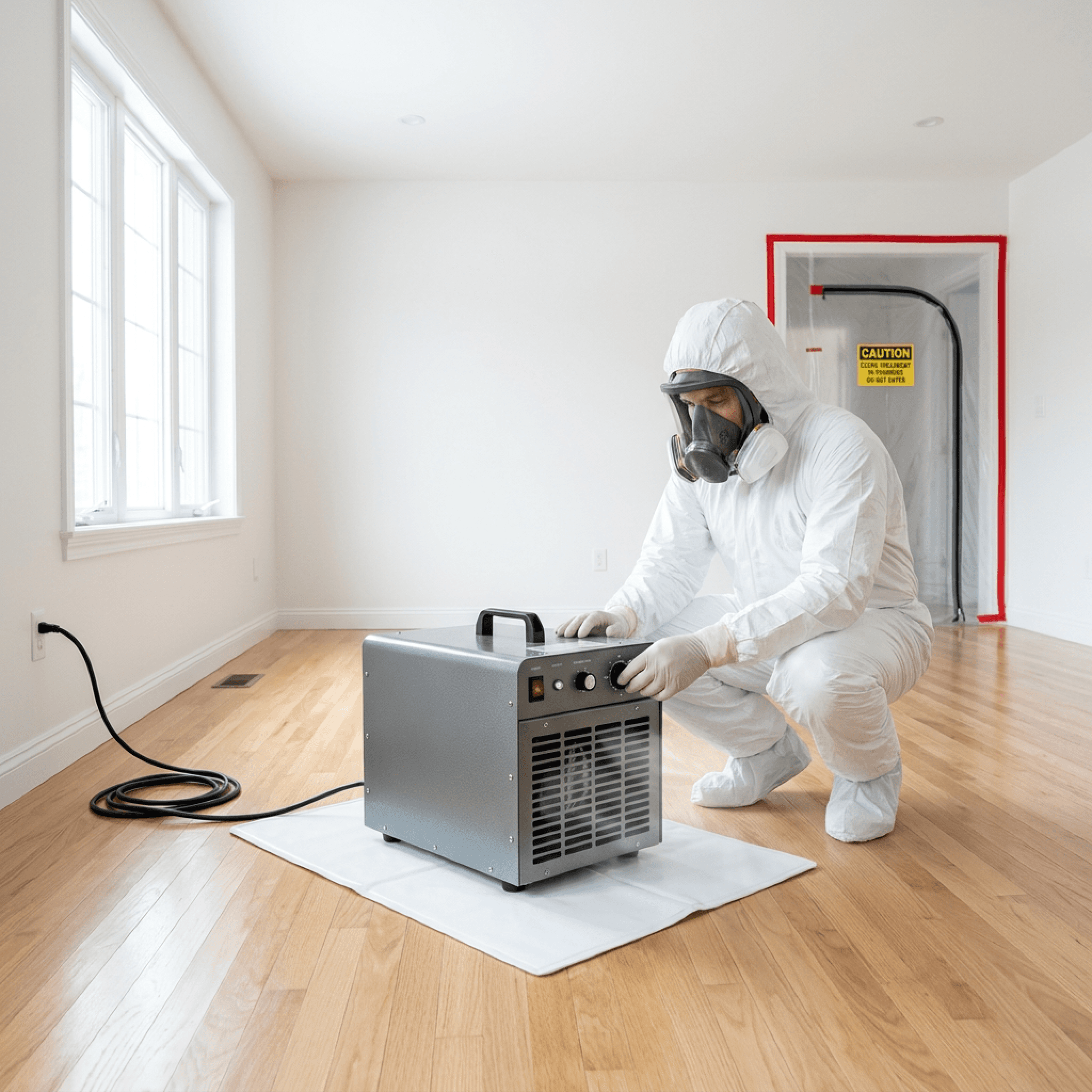
Odor Neutralization
Hydroxyl and ozone equipment break down the molecules behind the smell, treating the air, walls, and remaining materials.
Final Walkthrough
The space is reviewed with the family, photos and a written report are provided, and the home is returned ready for the next step.
The Equipment and Products We Use During Death Cleanup Process
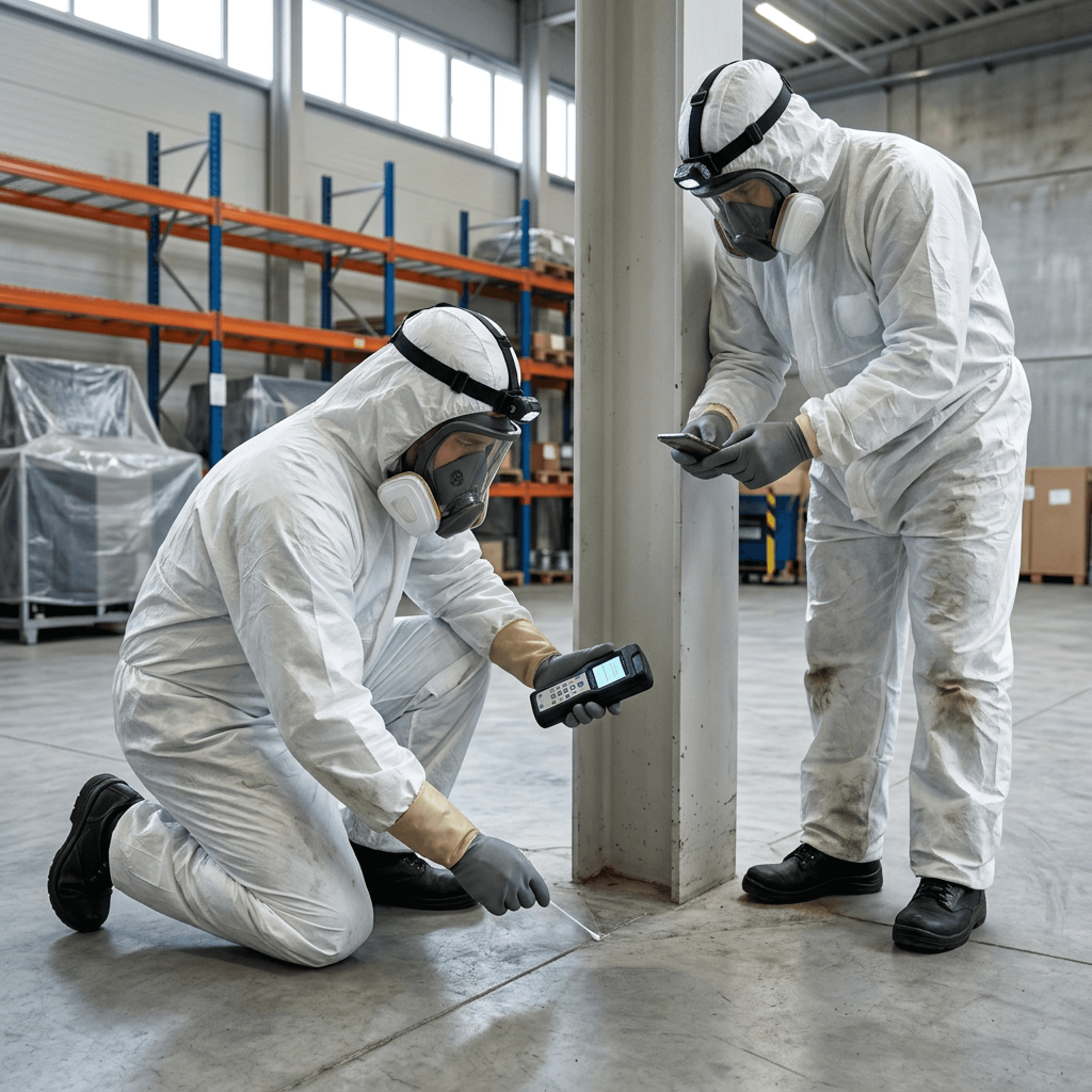
The conditions inside a Seattle home shape what our team brings on every call. After a hot Inland Northwest summer day, decomposition can move faster than most families realize, so our technicians arrive in Tyvek suits, full-face respirators with HEPA cartridges, double-layered nitrile gloves, and sealed boot covers. Negative-air HEPA scrubbers run from the start to pull airborne pathogens out of the space and keep odor from drifting into other rooms or HVAC returns.
Cleaning chemistry is chosen for what decomposition actually leaves behind, not what a general cleaner is rated for. Our team uses hospital-grade disinfectants for bacterial contamination, enzymatic cleaners to break apart proteins that bond into wood, drywall, and flooring, and hydroxyl or ozone equipment to oxidize odor molecules at the source. Materials that can't be saved leave the home in red biohazard packaging, transported through a licensed medical waste facility.
The Death Cleanup Situations We Handle
Families restoring a home after a parent, spouse, or relative passes
Landlords and estate representatives reclaiming a unit after a tenant's death
OSHA
Certified
24/7
Response
99.9%
Cleanup Success Rate
"My mother passed in her home and wasn't found for several days. The team handled the cleanup gently and didn't rush us through any of it. The house felt like hers again afterward."
Still Have Questions?
When can the cleanup begin?
Work starts after the medical examiner or coroner has released the scene. Until then, the property remains part of an official process and shouldn't be entered or disturbed by family or any cleaning team.
How long does a typical cleanup take?
Most jobs are completed in one to two days. Cases involving advanced decomposition, larger homes, or contamination that has reached structural materials may extend longer depending on the scope.
Will the smell really go away?
Yes, when the cleanup is done properly. Surface cleaning alone can't reach the molecules behind decomposition odor, which is why hydroxyl and ozone equipment are used to break those compounds down.
Will neighbors notice anything?
Trucks and uniforms carry no biohazard branding, and the work is done quietly. Most neighbors won't be able to tell the difference between our visit and any other service call.