
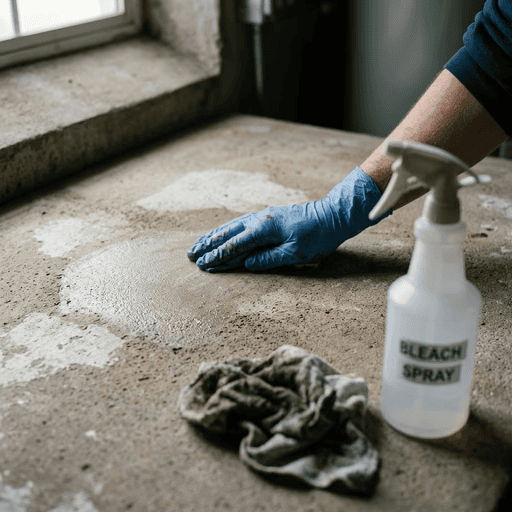
Standard cleanout services
Junk Hauling
Standard cleaning only treats visible surfaces, leaving hidden pathogens and odors trapped deep within.

Remnant
Full Hoarding Remediation
We eliminate biohazards at the molecular level, using advanced ATP testing to guarantee 100% decontamination.
Crews respond across Fort Worth, Arlington, Haltom City, Benbrook, Saginaw, and Keller, helping families, landlords, and property managers restore unsafe spaces.
Why Hoarding Cleanup in Fort Worth Calls for a Careful Approach
Many of the hoarding situations our crews see in Fort Worth involve older single-family homes in neighborhoods like Hillyard, West Central, and East Central, where decades of accumulation can hide structural issues, pests, and biohazards underneath. Rental properties across Fort Worth and the North Side also see hoarding cases that landlords need handled quietly so neighbors and other tenants aren't affected. Most families don't reach out until the situation has gone past what they can manage on their own, which is the moment professional help matters most.
The bigger pressure in Fort Worth is timing. A home that's reached this point often comes with a deadline attached: a code enforcement notice, an upcoming inspection, a property sale, or a family member preparing for a move. Acting early gives the homeowner more say in the process. Waiting tightens the window and often turns a difficult cleanup into a more expensive one.
Our Step-by-Step Hoarding Cleanup Process

Home Assessment
A technician visits the property, gauges the scope of the situation, and talks through goals with the family or owner.
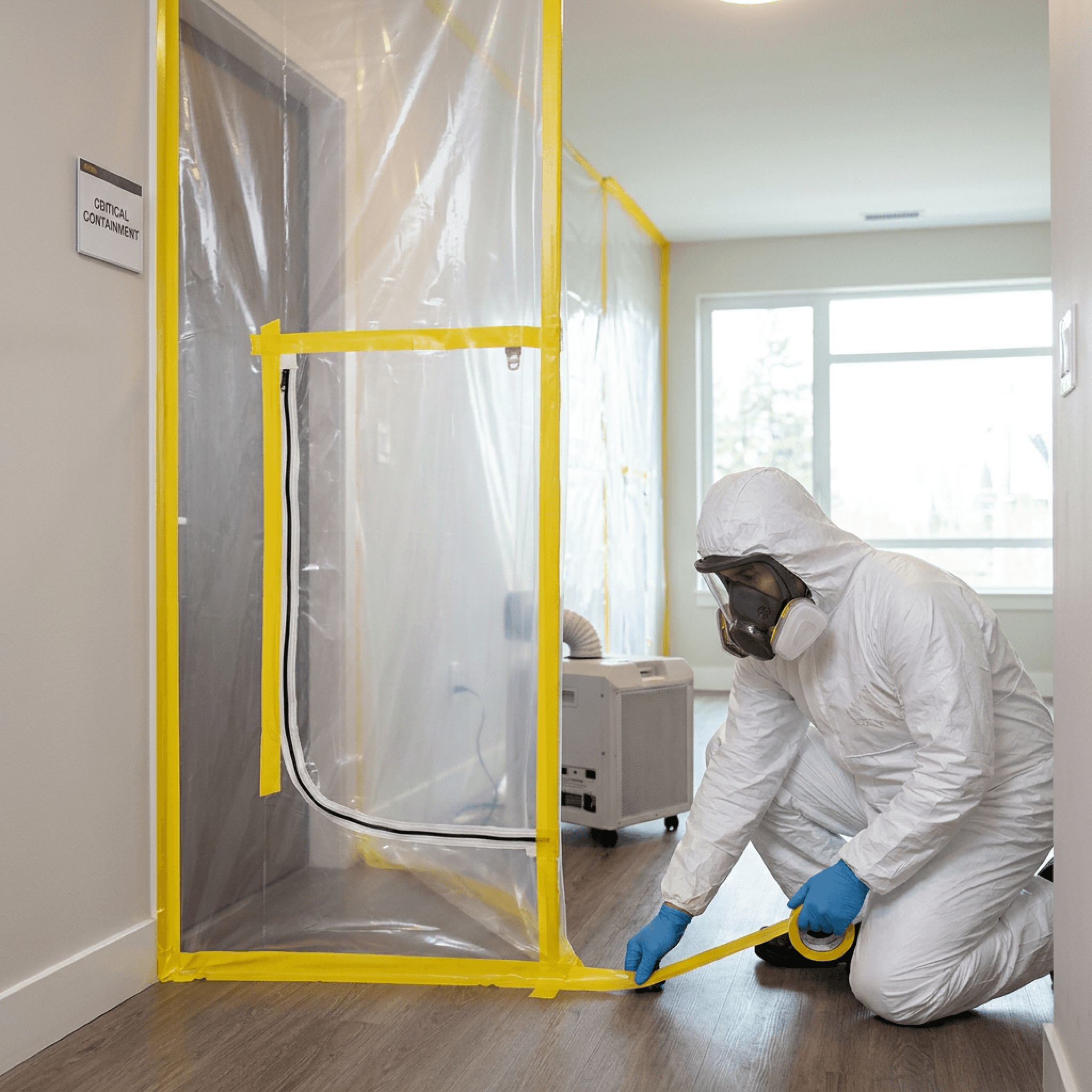
Sort and Save
Items the homeowner wants to keep are identified and set aside before any removal begins, including documents, photos, and valuables.
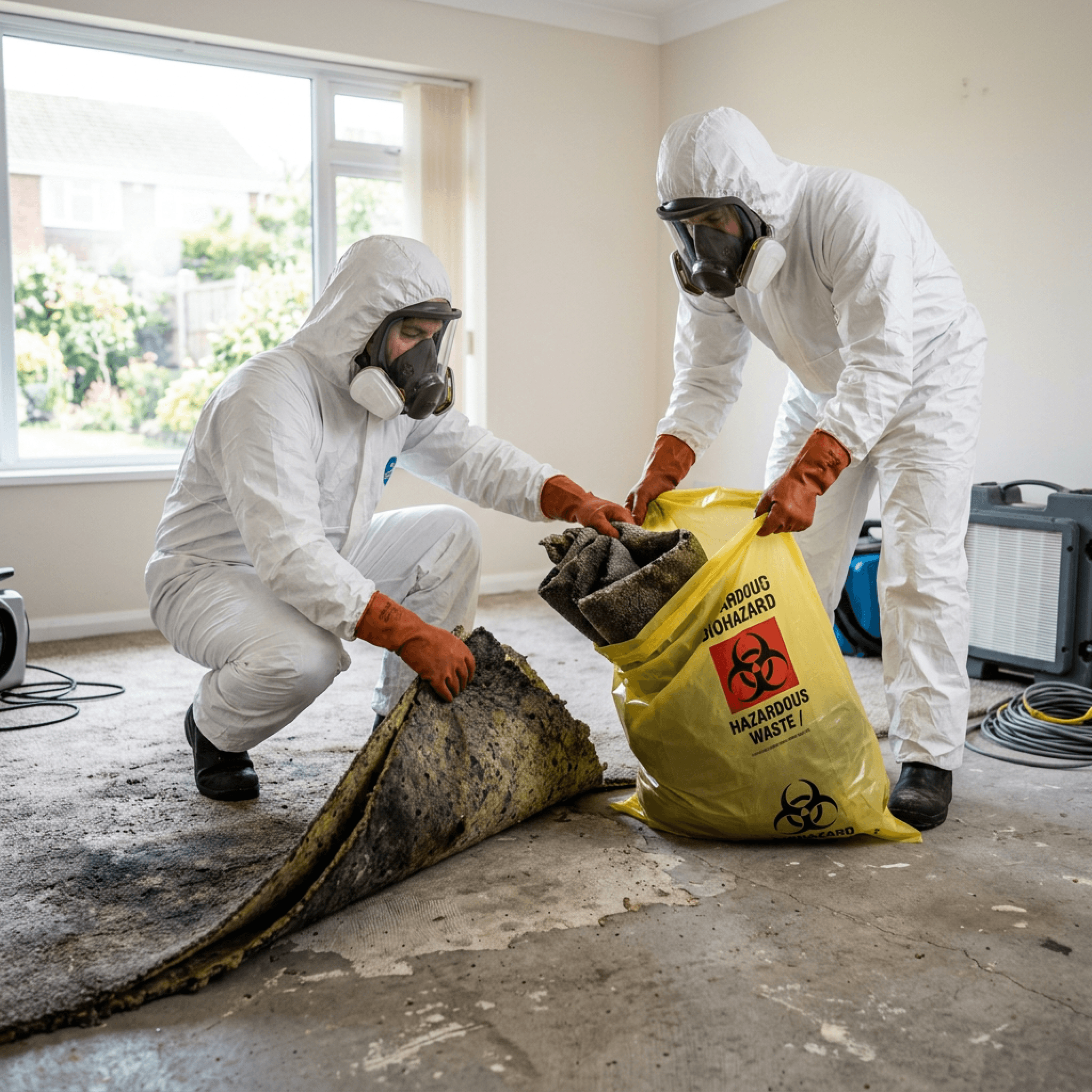
Material Hauling
Trash, debris, and unwanted contents are loaded out of the home and disposed of through approved local waste channels.
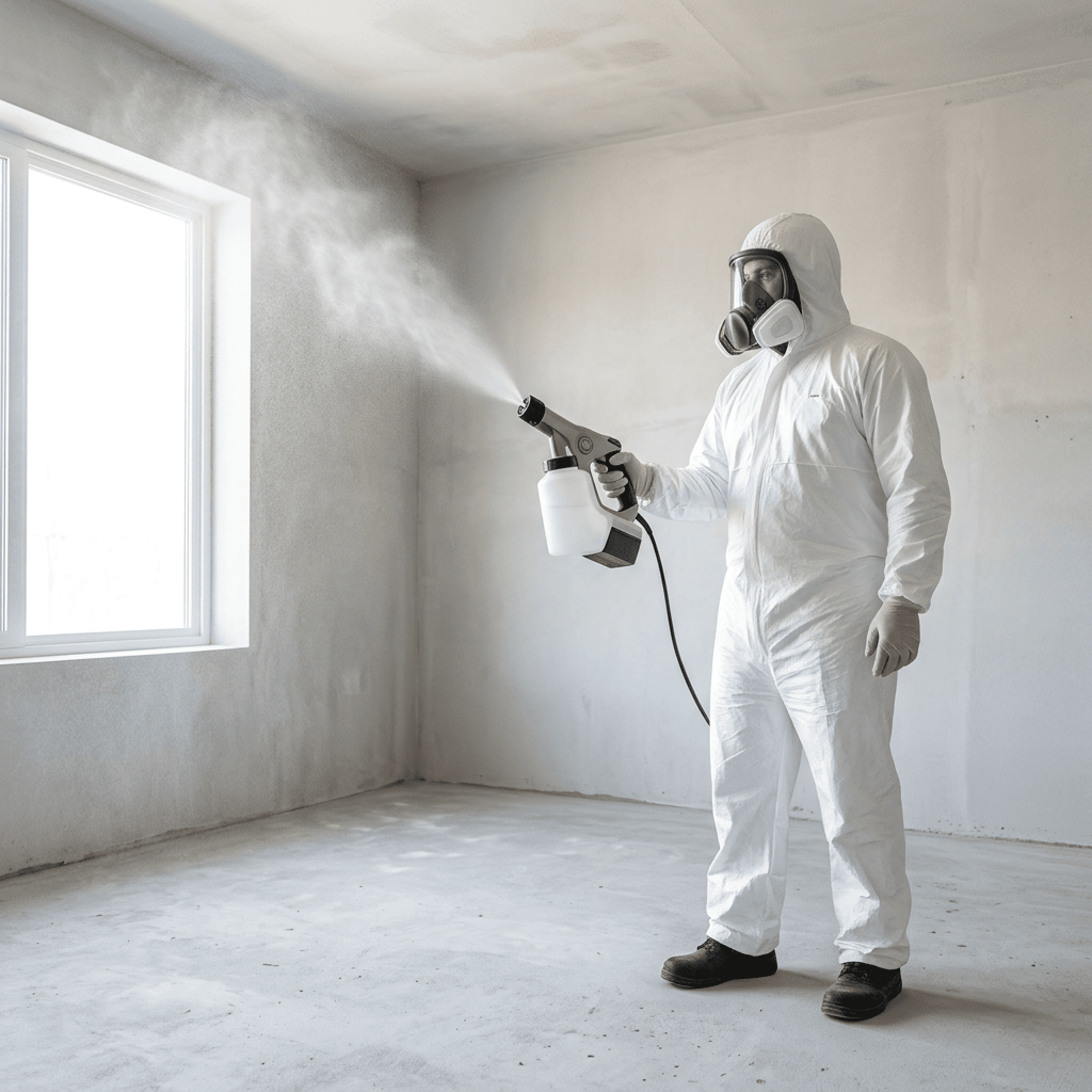
Surface Cleaning
Floors, walls, counters, and fixtures get washed, scrubbed, and treated to remove residue left behind by long-term accumulation.
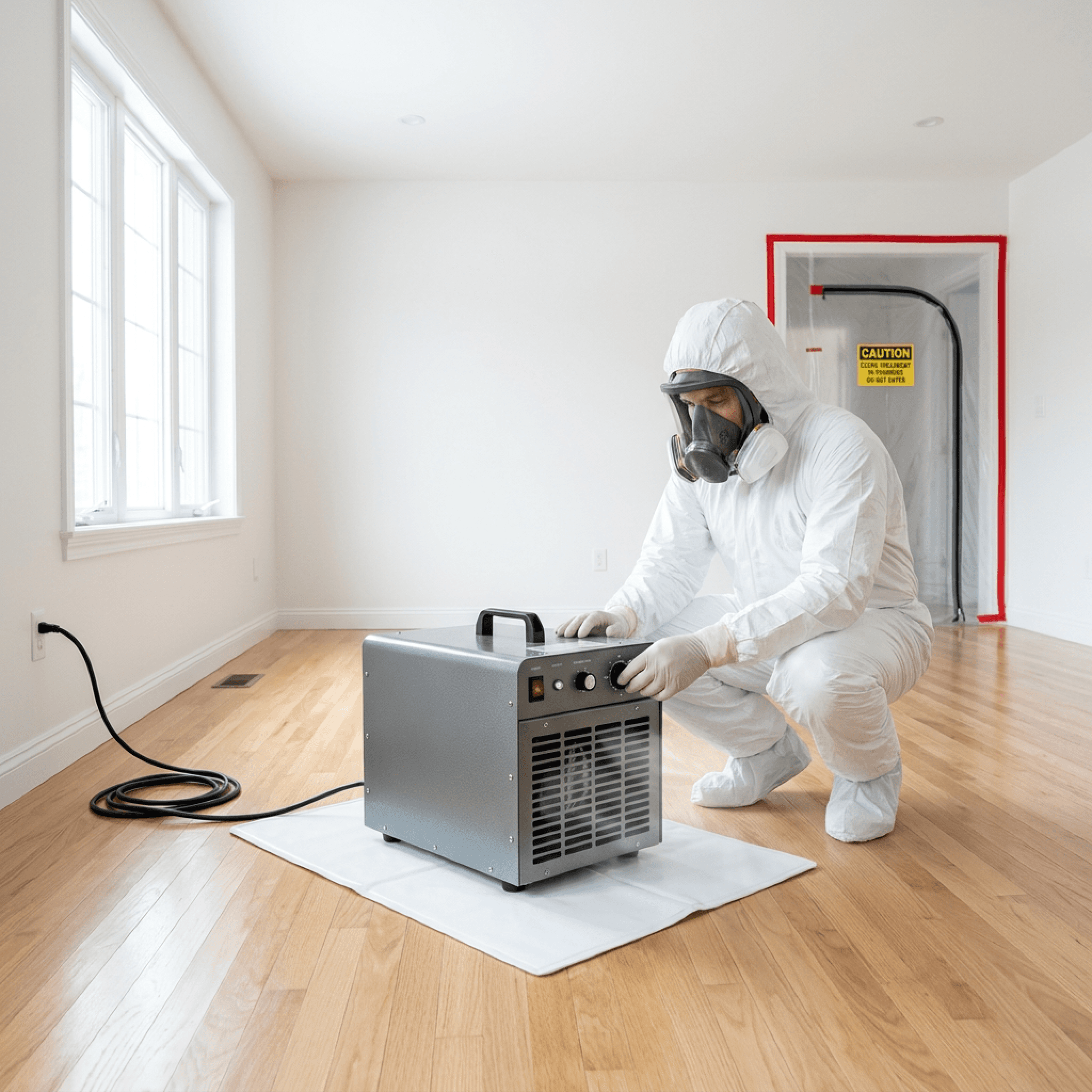
Pest and Odor Treatment
If infestations or strong odors are present, the home is treated with appropriate pesticides and air-scrubbing equipment.

Final Walkthrough
The property is walked through with the homeowner or landlord, and a written summary closes out the job.
The Equipment and Products We Use During Hoarding Cleanup
Hoarding cleanups carry a different mix of risks than other biohazard work, and the gear reflects that. Our crews wear Tyvek suits, P100 respirators, and cut-resistant gloves, with disposable covers worn over steel-toed work boots. Hidden sharps, broken glass, rodent droppings, and pet waste turn up regularly in the deeper layers of a home, and the gear has to hold up to all of it. HEPA air scrubbers run throughout the active phase, pulling years of accumulated dust, dander, and airborne particles out of the space.
For cleaning, our teams carry EPA-registered disinfectants rated against bacteria and viruses, along with enzymatic cleaners that break down organic residue ground into flooring, walls, and baseboards. When active infestations are present, we coordinate directly with a licensed pest control company before our crew returns to finish the work. The truck also stocks heavy-duty contractor bags and labeled bins so the homeowner's keep-pile stays organized on-site.

Who Calls Us for Hoarding Cleanup
Adult children, spouses, or relatives helping a loved one regain a safe home
Landlords, property managers, and estate executors restoring a unit
OSHA
Certified
24/7
Response
99.9%
Cleanup Success Rate
"We finally got my mom to agree to let someone help. The crew was kind to her the whole time, didn't rush, and didn't make her feel ashamed. We got her home back."

Still Have Questions?
Is hoarding cleanup the same as junk removal?
No. Hoarding cleanup includes sorting, decontamination, pest treatment, and biohazard handling, none of which are part of standard junk hauling. The work is closer to a full remediation than a cleanout.
Will the homeowner be involved during the cleanup?
That's up to them. Some homeowners prefer to be present and make decisions as the team works, while others step away entirely. A family member or representative can also be the point of contact.
What if there are pets, animals, or signs of infestation?
Our crews are equipped to handle homes with active or past infestations, including rodent and insect issues. Animals still on-site are coordinated with a local shelter or rescue if no other plan is in place.
Will neighbors or anyone else know what's going on?
Discretion is part of the work. Trucks arrive without biohazard branding, crews wear plain uniforms, and removal happens as quietly as possible to keep the situation private.