General cleaning crews
Visible Cleaning
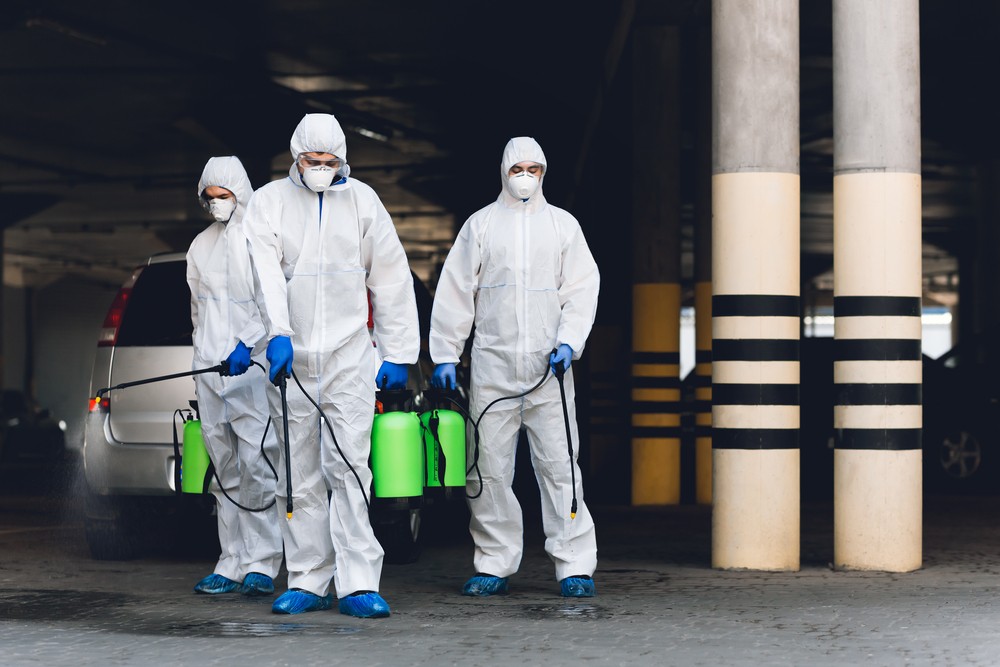
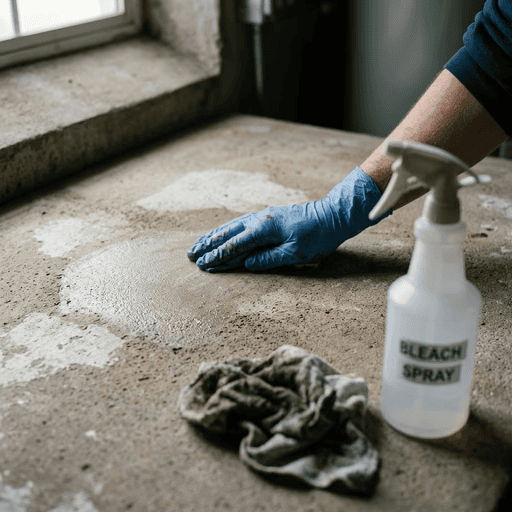
Standard cleaning only treats visible surfaces, leaving hidden pathogens and odors trapped deep within.
Remnant
Verified Decontamination
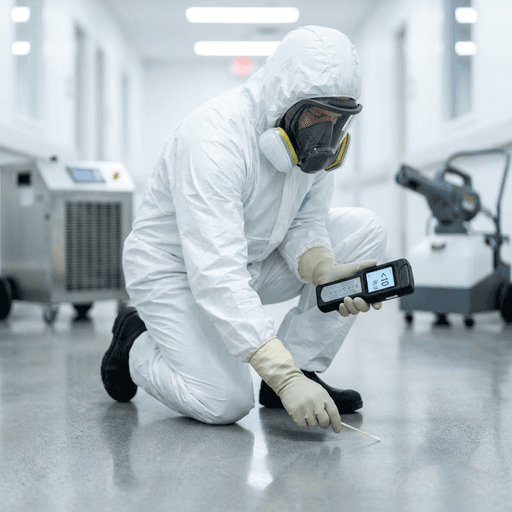
We eliminate biohazards at the molecular level, using advanced ATP testing to guarantee 100% decontamination.
From downtown to outlying communities, Spokane Valley Valley, Liberty Lake, Cheney, Airway Heights, Mead, a technician is never far away.
What Spokane Valley Property Owners Need to Know
Blood-soaked materials cannot go into regular household trash, and Spokane Valley curbside services won't accept them. The disposal alone requires access to a licensed medical waste facility, which is one of the main reasons attempting cleanup without help often creates a second problem on top of the first. A licensed crew handles transport and documentation as part of the job.
Spokane Valley's climate plays into the timeline as well. Inside a heated home during a January cold stretch, blood can dry and bond to flooring within a couple of hours. In the dry summer months, low humidity pulls moisture out fast and locks contamination into porous surfaces like hardwood, grout, and subfloor. The faster the response, the less of the structure usually has to come out.
Our Blood Cleanup Process From the First Call to Final Sign-Off
Scene Inspection
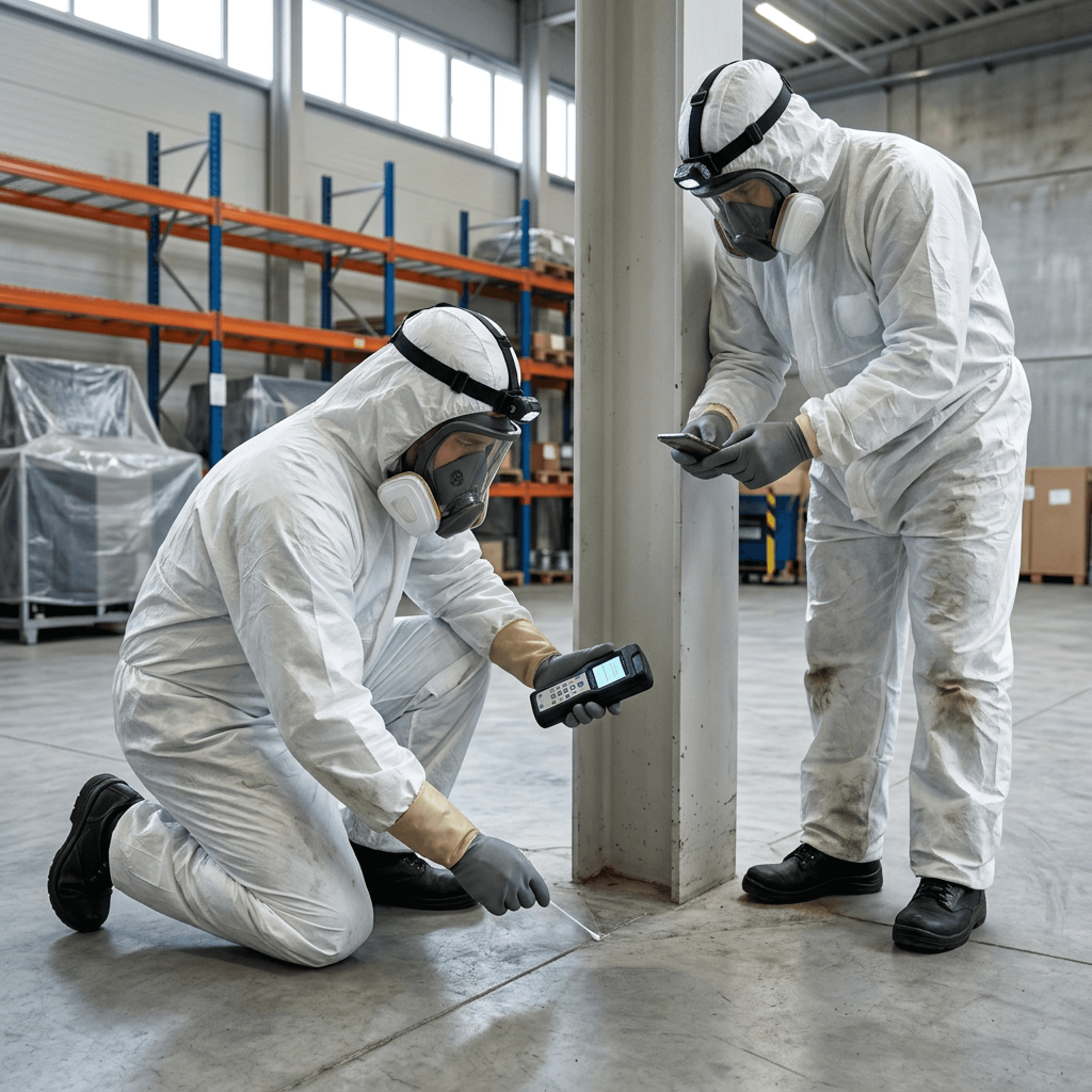
A technician arrives on-site, inspects the affected area, and tests surrounding surfaces for spread.
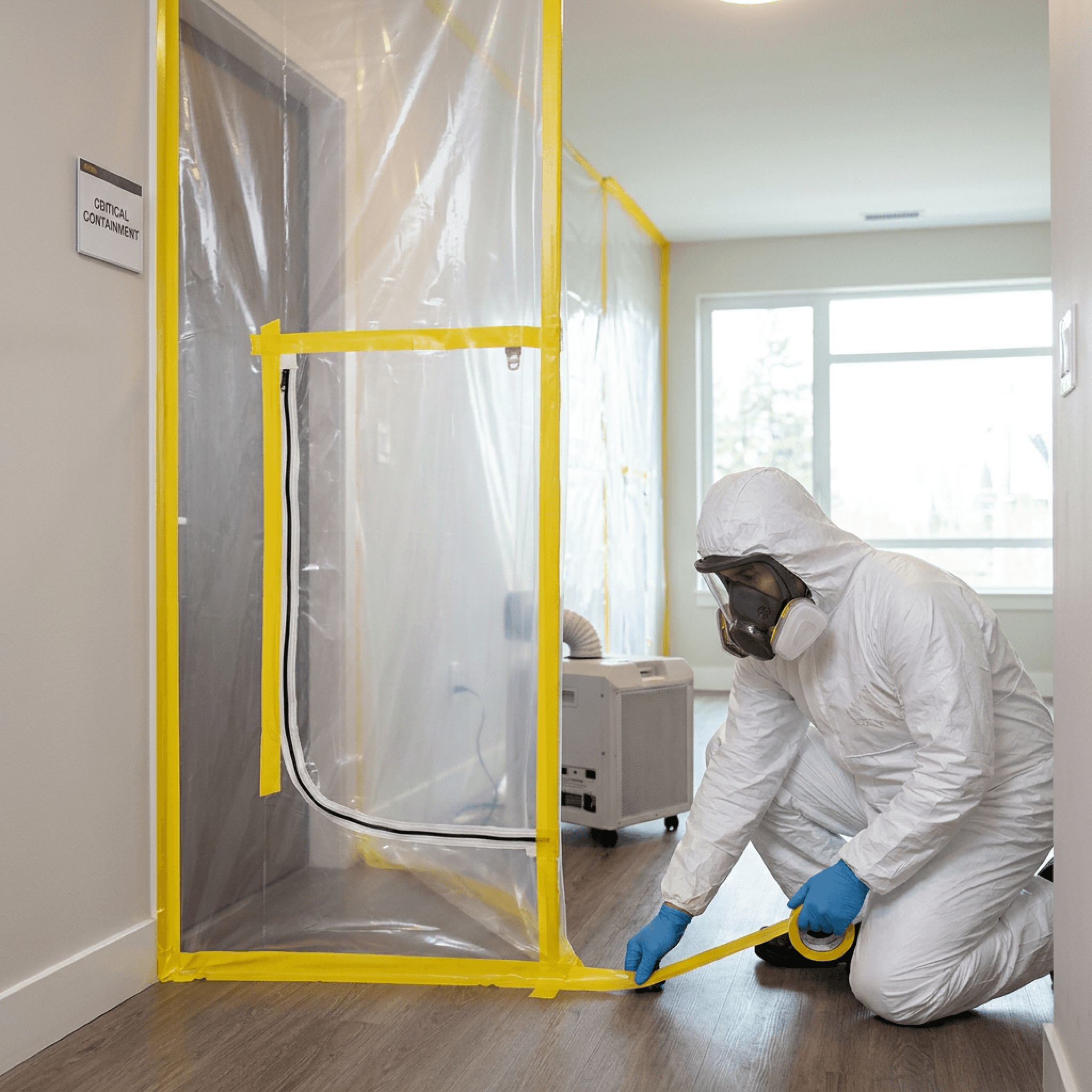
Area Containment
Plastic sheeting goes up around the affected room and HEPA air scrubbers start running before cleanup begins.
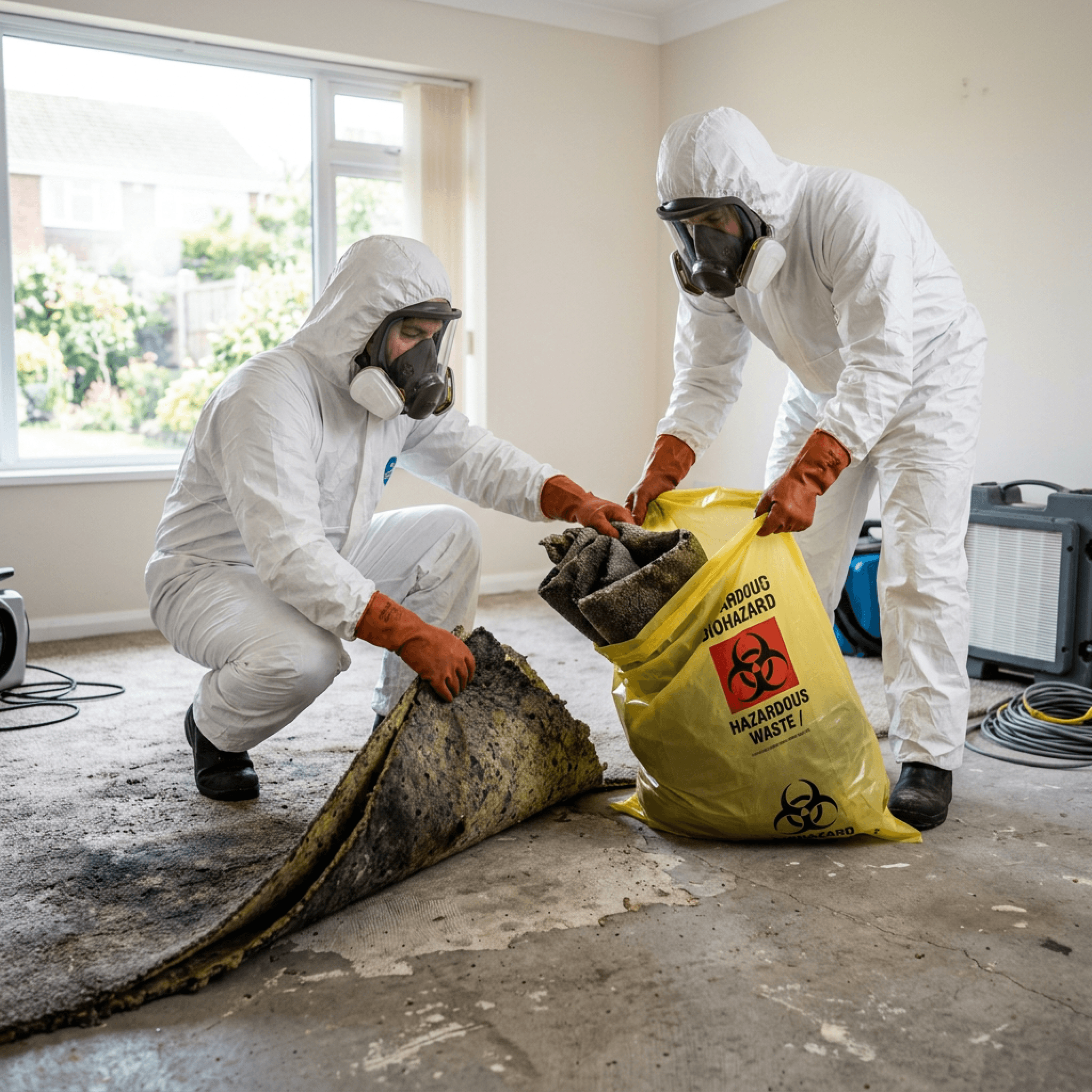
Material Removal
Blood-soaked carpet, padding, drywall, and upholstery are cut away and sealed in red biohazard bags.
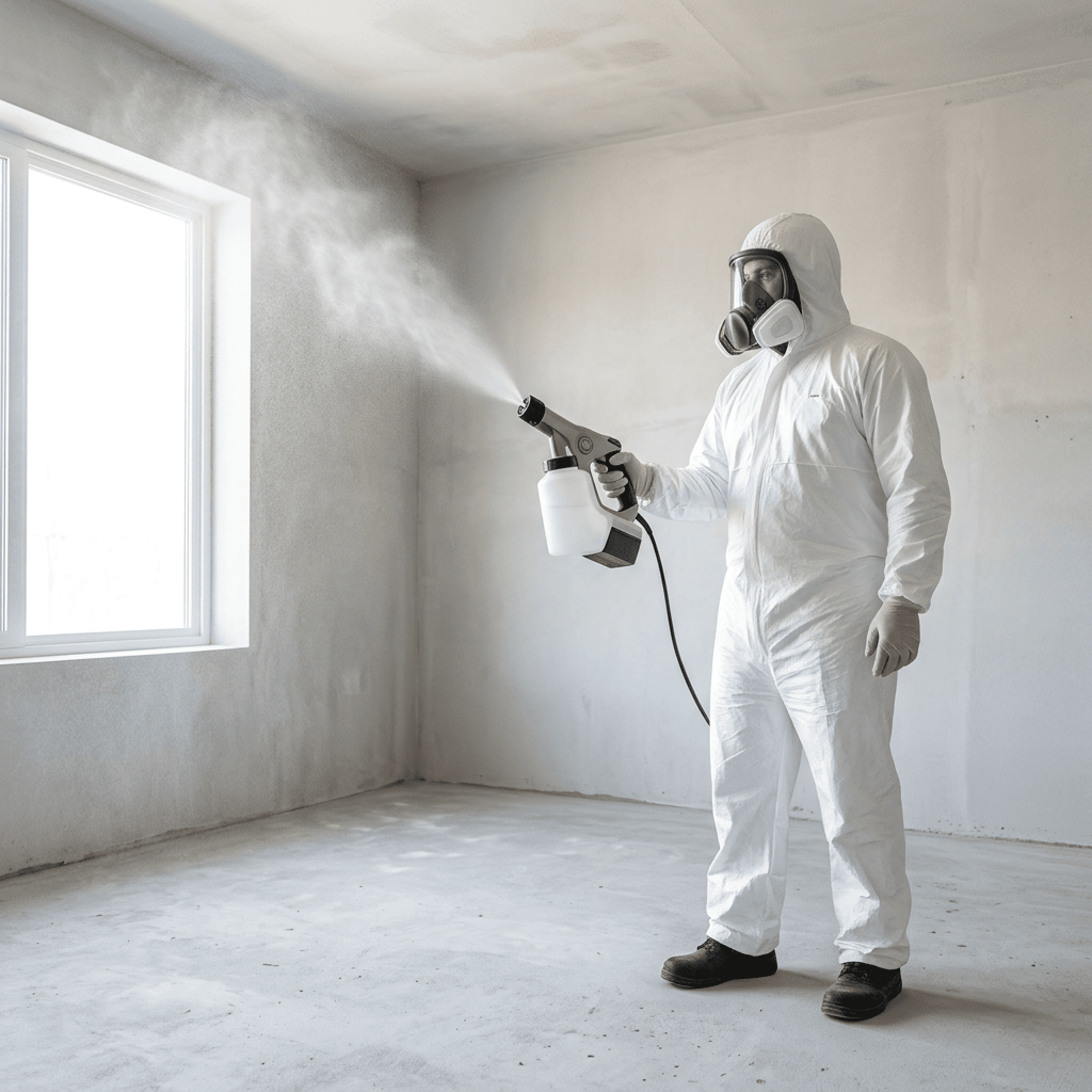
Surface Disinfection
Hard floors, walls, and fixtures get scrubbed with hospital-grade disinfectant and left to sit for the required dwell time.
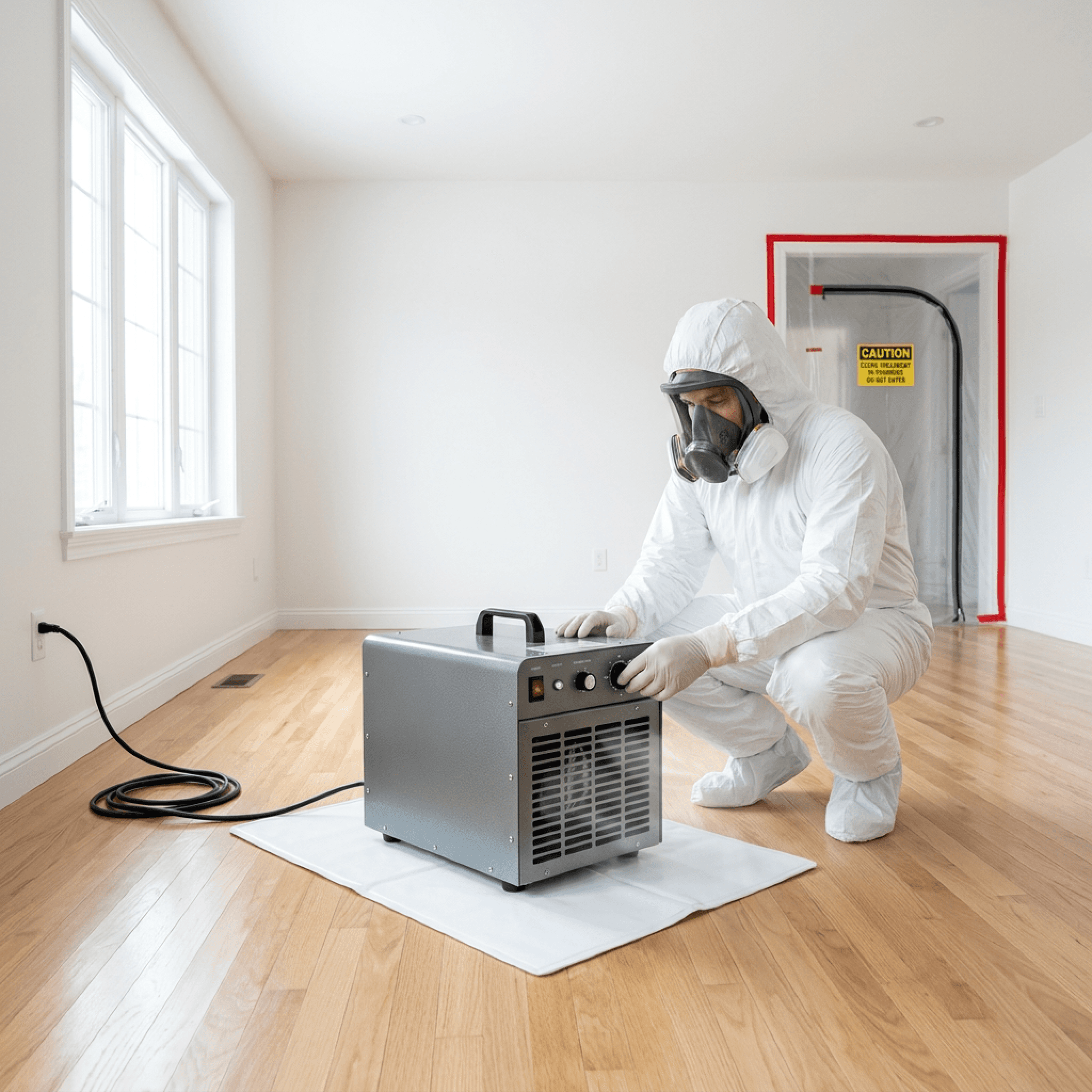
Air and Odor Treatment
HEPA filtration runs until airborne particles clear, and an ozone or hydroxyl machine handles any lingering smell
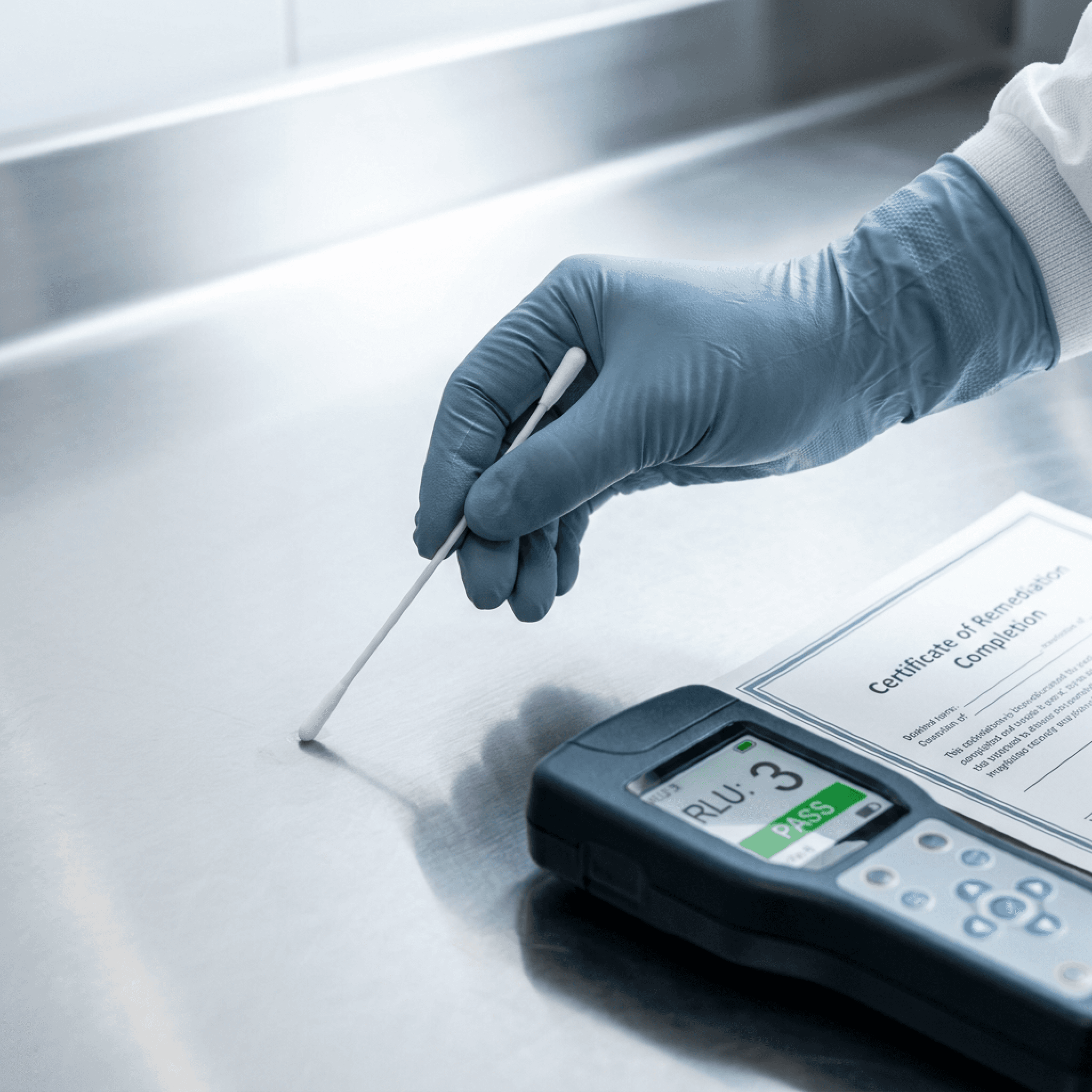
Final Check
Surfaces are swabbed and tested, photos are taken, and a signed report is handed to the property owner.
The Equipment and Products We Use During Blood Cleanup
The gear on a blood cleanup tells you how seriously a company takes the work. Our crews wear Tyvek suits to keep contamination off skin and clothing, P100 respirators rated to filter airborne pathogens, two layers of nitrile gloves for puncture protection, and sealed boot covers that stay with the contaminated zone. Air quality is handled with HEPA scrubbers, which capture particles down to 0.3 microns and prevent anything from drifting into clean parts of the property.
For disinfection, we use EPA-registered hospital-grade products tested against HIV, hepatitis B, hepatitis C, and MRSA. These aren't store-bought cleaners; they require specific dwell times to actually kill the pathogens they're rated for. Anything that has to leave the property goes into red biohazard bags labeled and sealed to medical waste standards. For verification, we carry ATP test kits that detect organic residue at a level the eye can't see, giving a measurable result before we sign off.
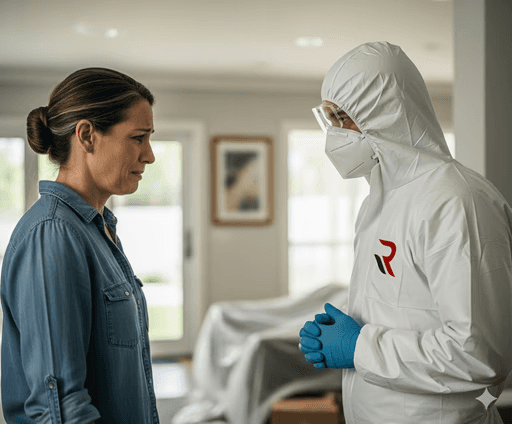
Common Situations Where Remnant Gets the Call
A serious household injury, fall, or medical emergency at home
An incident at a business, rental, or vehicle requiring documented cleanup
OSHA
Certified
24/7
Response
99.9%
Cleanup Success Rate
"My husband had a bad accident in our garage and the scene afterward was overwhelming. Remnant came out the same day and handled it without making the situation feel worse. Everything was back to normal by the time he came home from the hospital."

Still Have Questions?
Does blood cleanup only apply to crime scenes?
Not at all. The majority of calls involve household injuries, medical episodes, workplace accidents, and vehicle incidents. Any contamination from blood or bodily fluids qualifies, regardless of how it happened.
How soon should the cleanup start after an incident?
The sooner, the better. Blood begins absorbing into porous materials within minutes, and delays often mean a larger area of carpet, padding, or flooring has to be removed.
Do I have to be on-site while the work is done?
You don't. Many people prefer to step away. A point of contact can grant access, and a complete report with photos is shared once everything is finished.
Where does the contaminated material end up?
Saturated items are sealed into biohazard packaging and delivered to a licensed Washington medical waste facility. Disposal documentation is kept on file and provided on request.