What Does A Crime Scene Cleaner Do?
When a violent crime, suicide, accident, or unattended death happens, the aftermath is something no family member or property owner should ever have to deal with alone. A scene like this isn’t just messy, it’s dangerous. Bloodborne pathogens, toxic chemicals, lingering odors, and deep emotional trauma all come into play...
Category
Residential
Category
Residential
Category
Residential
Services
Crime Scene Cleanup
Services
Crime Scene Cleanup
Services
Crime Scene Cleanup
Year
2025
Year
2025
Year
2025
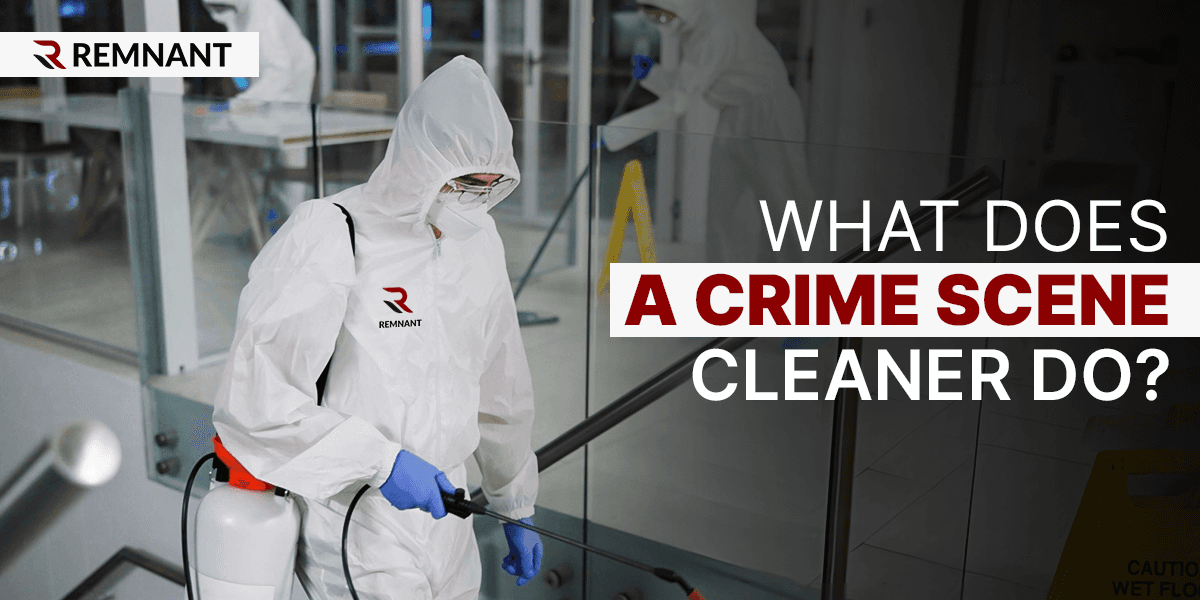
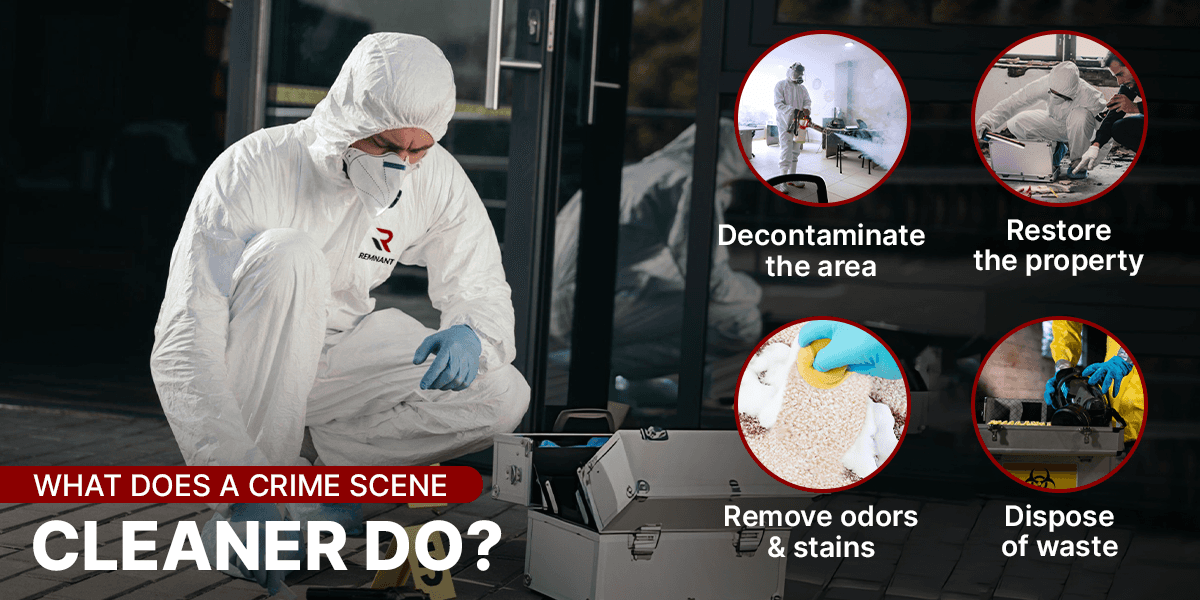
When a violent crime, suicide, accident, or unattended death happens, the aftermath is something no family member or property owner should ever have to deal with alone. A scene like this isn’t just messy, it’s dangerous. Bloodborne pathogens, toxic chemicals, lingering odors, and deep emotional trauma all come into play. That’s where crime scene cleaners step in. Their work goes far beyond “cleaning”; it’s about restoring safety, removing invisible biological threats, and returning a space to a livable condition, both physically and emotionally. Here’s a clear look at what these professionals actually do and why their role is so important.
The Reality of Crime Scene Cleanup
Most people underestimate how complicated a trauma scene really is. Unlike normal cleaning, crime scene cleanup involves strict protocols, medical-grade chemicals, full protective gear, and specialized training. A contaminated area may appear clean on the surface, yet still harbor pathogens in fabrics, flooring, air ducts, or porous materials. Crime scene cleaners adhere to professional standards to ensure the entire environment is thoroughly decontaminated and sanitized, and is safe for occupancy once again. Their job is to eliminate risk, not just remove stains.
Blood Cleanup
Blood is one of the most common elements at crime and accident scenes, but it’s also one of the most hazardous. Blood can contain viruses like Hepatitis B, Hepatitis C, and HIV, which remain infectious long after the blood has dried. Cleaning blood with household products does not guarantee safety. Professional cleaners assess the full extent of contamination, sanitize the area with approved disinfectants, and remove any materials that cannot be salvaged, such as carpeting, mattresses, or drywall. Their goal is simple: to ensure that no trace of biological danger remains, even at the microscopic level.
Biohazard Removal and Proper Disposal
Crime scene cleaners also handle all types of biohazardous waste removal. Biohazards include bodily fluids, tissues, medical waste, and contaminated objects, anything that can spread infection if mishandled. While ordinary cleaning addresses only visible dirt, biohazard remediation focuses on eliminating pathogens, sanitizing the environment, and ensuring waste is transported to and disposed of at licensed facilities. This process is heavily regulated, and only trained technicians know how to handle, package, and document biohazard waste safely and legally.
Bodily Fluids Cleanup and Decontamination
Traumatic events often involve more than just blood. Fluids such as urine, feces, vomit, and decomposition fluids are common on these scenes and carry their own serious health risks. These substances seep into flooring, fabrics, and even structural materials, creating both contamination and overpowering odors. Crime scene cleaners utilize specialized chemicals to break down biological matter, remove contaminated items, and thoroughly clean the space to ensure that nothing harmful is left behind. Without professional intervention, these fluids continue to harbor bacteria, causing ongoing health and odor issues.
Death Scene Cleaning and Emotional Sensitivity
Cleaning up after a death, whether from natural causes, suicide, or homicide, carries a heavy emotional weight. For family members, the idea of entering that space is often unbearable. Crime scene cleaners provide support that goes beyond technical cleanup. They approach the situation with respect, discretion, and an understanding of the trauma involved. Their responsibility includes removing biological hazards, eliminating odors, restoring the property, and ensuring that personal belongings are handled with care. Their goal is to give the affected family peace of mind and to remove the burden of dealing with such a painful scene themselves.
Unattended Death Cleanup
When someone passes away and is not discovered for hours, days, or longer, decomposition begins to take over. This process produces strong odors and fluids that spread into flooring, subflooring, furniture, walls, and sometimes even the HVAC system. Unattended deaths create complex contamination that requires specialized training and equipment to resolve. Crime scene cleaners must remove all affected materials, neutralize odors at the molecular level, and restore the space so that no trace of the incident remains. Without proper cleanup, the property will continue to suffer from lingering odors and ongoing biohazard risks.
Meth Lab Cleanup and Chemical Decontamination
Former methamphetamine labs are extremely hazardous environments. The chemicals used in meth production cling to surfaces, soak into porous materials, and produce toxic residues that can cause headaches, respiratory issues, anxiety, and long-term health problems. A meth contaminated property is unsafe to live in without professional remediation. Crime scene cleanup teams test the property for chemical contamination, remove affected materials, clean every surface with appropriate neutralizers, and ensure the building meets safety standards before it can be occupied again. This type of cleanup is far too complex and dangerous for anyone without professional training.
Hypodermic Needle and Sharps Removal
In some scenes, discarded needles and syringes become another major risk factor. These sharps can carry dangerous pathogens and must be collected and disposed of in accordance with strict safety protocols to prevent the spread of infection. Crime scene cleaners carefully locate, collect, and containerize all needles and sharp objects before sanitizing the area. This ensures that no one is at risk of accidental needle sticks long after the scene itself is gone.
Restoring the Property to a Safe, Livable Condition
Once the contamination is removed, crime scene cleaners focus on fully restoring the property. This includes deodorization, surface sanitizing, material replacement, and final testing to confirm the environment is safe. Their job is not just to “clean” but to return the space to a condition where life can return to normal. Most importantly, they allow families and property owners to move forward without being exposed to trauma or danger.
Final Thoughts
Crime scene cleaners handle some of the most challenging and emotionally intense situations imaginable. Their work requires technical skill, strict safety protocols, compassion, and a strong understanding of human vulnerability. They are the people who step in when others can’t, and they make sure that the aftermath of a tragedy doesn’t continue to harm the people left behind. Whether it’s a blood spill, a death scene, a meth lab, or any form of biohazard contamination, a trained professional is the only one equipped to safely restore the space and bring it back to normal.
When a violent crime, suicide, accident, or unattended death happens, the aftermath is something no family member or property owner should ever have to deal with alone. A scene like this isn’t just messy, it’s dangerous. Bloodborne pathogens, toxic chemicals, lingering odors, and deep emotional trauma all come into play. That’s where crime scene cleaners step in. Their work goes far beyond “cleaning”; it’s about restoring safety, removing invisible biological threats, and returning a space to a livable condition, both physically and emotionally. Here’s a clear look at what these professionals actually do and why their role is so important.
The Reality of Crime Scene Cleanup
Most people underestimate how complicated a trauma scene really is. Unlike normal cleaning, crime scene cleanup involves strict protocols, medical-grade chemicals, full protective gear, and specialized training. A contaminated area may appear clean on the surface, yet still harbor pathogens in fabrics, flooring, air ducts, or porous materials. Crime scene cleaners adhere to professional standards to ensure the entire environment is thoroughly decontaminated and sanitized, and is safe for occupancy once again. Their job is to eliminate risk, not just remove stains.
Blood Cleanup
Blood is one of the most common elements at crime and accident scenes, but it’s also one of the most hazardous. Blood can contain viruses like Hepatitis B, Hepatitis C, and HIV, which remain infectious long after the blood has dried. Cleaning blood with household products does not guarantee safety. Professional cleaners assess the full extent of contamination, sanitize the area with approved disinfectants, and remove any materials that cannot be salvaged, such as carpeting, mattresses, or drywall. Their goal is simple: to ensure that no trace of biological danger remains, even at the microscopic level.
Biohazard Removal and Proper Disposal
Crime scene cleaners also handle all types of biohazardous waste removal. Biohazards include bodily fluids, tissues, medical waste, and contaminated objects, anything that can spread infection if mishandled. While ordinary cleaning addresses only visible dirt, biohazard remediation focuses on eliminating pathogens, sanitizing the environment, and ensuring waste is transported to and disposed of at licensed facilities. This process is heavily regulated, and only trained technicians know how to handle, package, and document biohazard waste safely and legally.
Bodily Fluids Cleanup and Decontamination
Traumatic events often involve more than just blood. Fluids such as urine, feces, vomit, and decomposition fluids are common on these scenes and carry their own serious health risks. These substances seep into flooring, fabrics, and even structural materials, creating both contamination and overpowering odors. Crime scene cleaners utilize specialized chemicals to break down biological matter, remove contaminated items, and thoroughly clean the space to ensure that nothing harmful is left behind. Without professional intervention, these fluids continue to harbor bacteria, causing ongoing health and odor issues.
Death Scene Cleaning and Emotional Sensitivity
Cleaning up after a death, whether from natural causes, suicide, or homicide, carries a heavy emotional weight. For family members, the idea of entering that space is often unbearable. Crime scene cleaners provide support that goes beyond technical cleanup. They approach the situation with respect, discretion, and an understanding of the trauma involved. Their responsibility includes removing biological hazards, eliminating odors, restoring the property, and ensuring that personal belongings are handled with care. Their goal is to give the affected family peace of mind and to remove the burden of dealing with such a painful scene themselves.
Unattended Death Cleanup
When someone passes away and is not discovered for hours, days, or longer, decomposition begins to take over. This process produces strong odors and fluids that spread into flooring, subflooring, furniture, walls, and sometimes even the HVAC system. Unattended deaths create complex contamination that requires specialized training and equipment to resolve. Crime scene cleaners must remove all affected materials, neutralize odors at the molecular level, and restore the space so that no trace of the incident remains. Without proper cleanup, the property will continue to suffer from lingering odors and ongoing biohazard risks.
Meth Lab Cleanup and Chemical Decontamination
Former methamphetamine labs are extremely hazardous environments. The chemicals used in meth production cling to surfaces, soak into porous materials, and produce toxic residues that can cause headaches, respiratory issues, anxiety, and long-term health problems. A meth contaminated property is unsafe to live in without professional remediation. Crime scene cleanup teams test the property for chemical contamination, remove affected materials, clean every surface with appropriate neutralizers, and ensure the building meets safety standards before it can be occupied again. This type of cleanup is far too complex and dangerous for anyone without professional training.
Hypodermic Needle and Sharps Removal
In some scenes, discarded needles and syringes become another major risk factor. These sharps can carry dangerous pathogens and must be collected and disposed of in accordance with strict safety protocols to prevent the spread of infection. Crime scene cleaners carefully locate, collect, and containerize all needles and sharp objects before sanitizing the area. This ensures that no one is at risk of accidental needle sticks long after the scene itself is gone.
Restoring the Property to a Safe, Livable Condition
Once the contamination is removed, crime scene cleaners focus on fully restoring the property. This includes deodorization, surface sanitizing, material replacement, and final testing to confirm the environment is safe. Their job is not just to “clean” but to return the space to a condition where life can return to normal. Most importantly, they allow families and property owners to move forward without being exposed to trauma or danger.
Final Thoughts
Crime scene cleaners handle some of the most challenging and emotionally intense situations imaginable. Their work requires technical skill, strict safety protocols, compassion, and a strong understanding of human vulnerability. They are the people who step in when others can’t, and they make sure that the aftermath of a tragedy doesn’t continue to harm the people left behind. Whether it’s a blood spill, a death scene, a meth lab, or any form of biohazard contamination, a trained professional is the only one equipped to safely restore the space and bring it back to normal.
When a violent crime, suicide, accident, or unattended death happens, the aftermath is something no family member or property owner should ever have to deal with alone. A scene like this isn’t just messy, it’s dangerous. Bloodborne pathogens, toxic chemicals, lingering odors, and deep emotional trauma all come into play. That’s where crime scene cleaners step in. Their work goes far beyond “cleaning”; it’s about restoring safety, removing invisible biological threats, and returning a space to a livable condition, both physically and emotionally. Here’s a clear look at what these professionals actually do and why their role is so important.
The Reality of Crime Scene Cleanup
Most people underestimate how complicated a trauma scene really is. Unlike normal cleaning, crime scene cleanup involves strict protocols, medical-grade chemicals, full protective gear, and specialized training. A contaminated area may appear clean on the surface, yet still harbor pathogens in fabrics, flooring, air ducts, or porous materials. Crime scene cleaners adhere to professional standards to ensure the entire environment is thoroughly decontaminated and sanitized, and is safe for occupancy once again. Their job is to eliminate risk, not just remove stains.
Blood Cleanup
Blood is one of the most common elements at crime and accident scenes, but it’s also one of the most hazardous. Blood can contain viruses like Hepatitis B, Hepatitis C, and HIV, which remain infectious long after the blood has dried. Cleaning blood with household products does not guarantee safety. Professional cleaners assess the full extent of contamination, sanitize the area with approved disinfectants, and remove any materials that cannot be salvaged, such as carpeting, mattresses, or drywall. Their goal is simple: to ensure that no trace of biological danger remains, even at the microscopic level.
Biohazard Removal and Proper Disposal
Crime scene cleaners also handle all types of biohazardous waste removal. Biohazards include bodily fluids, tissues, medical waste, and contaminated objects, anything that can spread infection if mishandled. While ordinary cleaning addresses only visible dirt, biohazard remediation focuses on eliminating pathogens, sanitizing the environment, and ensuring waste is transported to and disposed of at licensed facilities. This process is heavily regulated, and only trained technicians know how to handle, package, and document biohazard waste safely and legally.
Bodily Fluids Cleanup and Decontamination
Traumatic events often involve more than just blood. Fluids such as urine, feces, vomit, and decomposition fluids are common on these scenes and carry their own serious health risks. These substances seep into flooring, fabrics, and even structural materials, creating both contamination and overpowering odors. Crime scene cleaners utilize specialized chemicals to break down biological matter, remove contaminated items, and thoroughly clean the space to ensure that nothing harmful is left behind. Without professional intervention, these fluids continue to harbor bacteria, causing ongoing health and odor issues.
Death Scene Cleaning and Emotional Sensitivity
Cleaning up after a death, whether from natural causes, suicide, or homicide, carries a heavy emotional weight. For family members, the idea of entering that space is often unbearable. Crime scene cleaners provide support that goes beyond technical cleanup. They approach the situation with respect, discretion, and an understanding of the trauma involved. Their responsibility includes removing biological hazards, eliminating odors, restoring the property, and ensuring that personal belongings are handled with care. Their goal is to give the affected family peace of mind and to remove the burden of dealing with such a painful scene themselves.
Unattended Death Cleanup
When someone passes away and is not discovered for hours, days, or longer, decomposition begins to take over. This process produces strong odors and fluids that spread into flooring, subflooring, furniture, walls, and sometimes even the HVAC system. Unattended deaths create complex contamination that requires specialized training and equipment to resolve. Crime scene cleaners must remove all affected materials, neutralize odors at the molecular level, and restore the space so that no trace of the incident remains. Without proper cleanup, the property will continue to suffer from lingering odors and ongoing biohazard risks.
Meth Lab Cleanup and Chemical Decontamination
Former methamphetamine labs are extremely hazardous environments. The chemicals used in meth production cling to surfaces, soak into porous materials, and produce toxic residues that can cause headaches, respiratory issues, anxiety, and long-term health problems. A meth contaminated property is unsafe to live in without professional remediation. Crime scene cleanup teams test the property for chemical contamination, remove affected materials, clean every surface with appropriate neutralizers, and ensure the building meets safety standards before it can be occupied again. This type of cleanup is far too complex and dangerous for anyone without professional training.
Hypodermic Needle and Sharps Removal
In some scenes, discarded needles and syringes become another major risk factor. These sharps can carry dangerous pathogens and must be collected and disposed of in accordance with strict safety protocols to prevent the spread of infection. Crime scene cleaners carefully locate, collect, and containerize all needles and sharp objects before sanitizing the area. This ensures that no one is at risk of accidental needle sticks long after the scene itself is gone.
Restoring the Property to a Safe, Livable Condition
Once the contamination is removed, crime scene cleaners focus on fully restoring the property. This includes deodorization, surface sanitizing, material replacement, and final testing to confirm the environment is safe. Their job is not just to “clean” but to return the space to a condition where life can return to normal. Most importantly, they allow families and property owners to move forward without being exposed to trauma or danger.
Final Thoughts
Crime scene cleaners handle some of the most challenging and emotionally intense situations imaginable. Their work requires technical skill, strict safety protocols, compassion, and a strong understanding of human vulnerability. They are the people who step in when others can’t, and they make sure that the aftermath of a tragedy doesn’t continue to harm the people left behind. Whether it’s a blood spill, a death scene, a meth lab, or any form of biohazard contamination, a trained professional is the only one equipped to safely restore the space and bring it back to normal.
Other Case Studies
Explore our more case studies
Other Case Studies
Explore our more case studies
Other Case Studies