What is Crime Scene Cleanup?
Tragedies, violent crimes, suicides, and unexpected deaths cause more than grief; they leave behind dangerous, overwhelming scenes. When law enforcement finishes and clears the area, families and property owners are left asking: What happens now?...
Category
Residential
Category
Residential
Category
Residential
Services
Crime Scene Cleanup
Services
Crime Scene Cleanup
Services
Crime Scene Cleanup
Year
2025
Year
2025
Year
2025
Tragedies, violent crimes, suicides, and unexpected deaths cause more than grief; they leave behind dangerous, overwhelming scenes. When law enforcement finishes and clears the area, families and property owners are left asking: What happens now?
The truth is, trauma scenes are not just messy. They’re filled with biohazards, can spread infection, trigger odors, and cause health risks. Cleaning them isn’t for the average person. Crime scene cleanup requires skill, compassion, and the ability to support survivors during dark times.
When tragedy strikes, homicide, suicide, or unattended death, professional remediation is essential. Technicians don’t just remove hazards. They decontaminate spaces, eliminate pathogens, restore safety, and help stabilize those affected.
Professional cleaning is about more than washing away what happened. It’s about reducing emotional triggers, restoring the property, and creating an environment that fosters healing. In these moments, professional remediation offers more than cleanliness; it provides hope, resilience, and the first step toward recovery. If you or someone you know faces the aftermath of a traumatic event, reach out to professional crime scene remediation experts for the support and safety you deserve.
What Is a Crime Scene Cleanup?
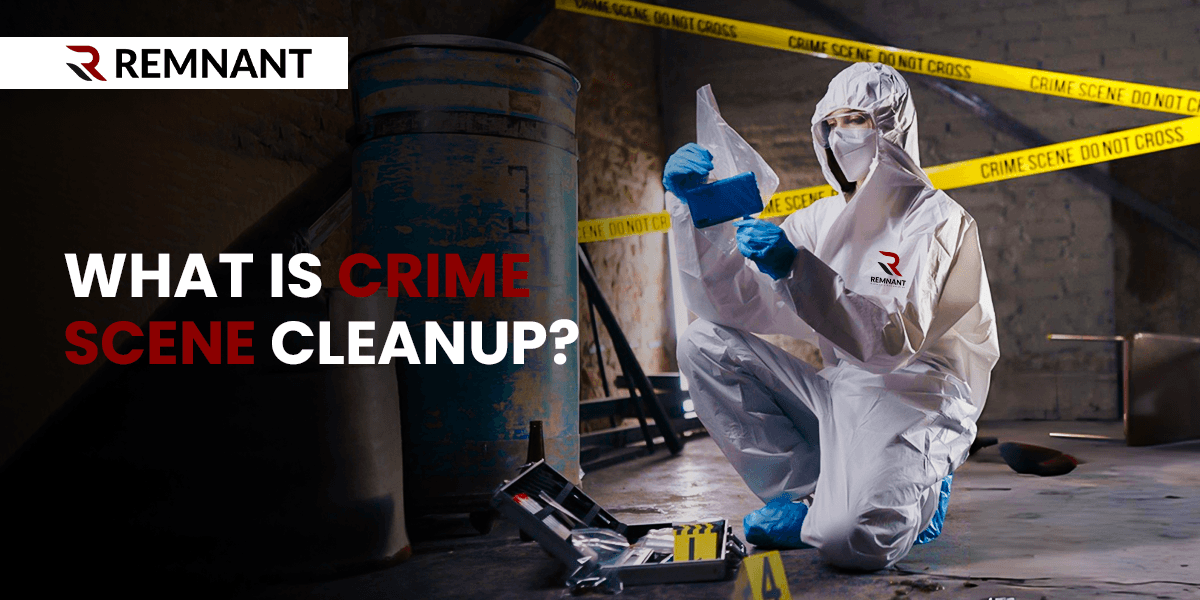
Crime scene cleanup is distinct from police and investigator duties, focusing solely on cleaning, sanitizing, and restoring areas following a traumatic event such as a crime, accident, suicide, or unattended death. While law enforcement handles evidence collection and investigation, trained biohazard cleanup professionals are responsible for returning spaces to safe, livable conditions by removing contaminants. Their specialized role addresses hazards that standard cleaning cannot, providing an essential but challenging service.
These situations commonly include:
Violent crimes
Homicides
Suicides
Unattended deaths
Decomposition
Accidents
Industrial injuries
Vehicle biohazards
Hoarding hazards
However, crime scene cleanup involves much more than ordinary cleaning. Many of these scenes contain bloodborne pathogens, infectious materials, strong odors, and physical contamination that cannot be handled with everyday products.
Due to these risks, professional crime scene cleanup services adhere to strict OSHA, EPA, and state regulations to safely remove biohazards and restore property to its pre-incident condition.
Situations That Require Crime Scene or Biohazard Cleanup
Any place with blood or bodily fluids is a biohazard. These substances can carry dangerous viruses or bacteria. Ordinary cleaning products are not enough to make the area safe. Professional cleanup protects people from serious health risks and ensures thorough decontamination. These scenes are also emotionally overwhelming. Professional cleaners help families focus on healing by alleviating the burden of trauma for them. If you need help, contact our team today to ensure your safety and peace of mind.
1. Violent Crimes
After violent crimes, blood, bodily fluids, and other contaminants often remain long after police investigations. These substances can carry dangerous pathogens such as hepatitis and MRSA. In addition to crime scenes, cleanup is also necessary after suicides.
2. Suicide Cleanup
Trauma scenes can be emotionally overwhelming for loved ones. Professional suicide cleanup protects families from exposure and relieves them of a painful burden. In addition to suicides, unattended deaths also require specialized cleanup.
3. Unattended Death Cleanup
One of the most common and complex situations is when someone passes away alone. Decomposition begins quickly, causing:
Fluids to seep into floors and walls
Strong odors
Bacterial growth
Structural contamination
Only trained biohazard professionals can safely remediate this.
4. Accidents & Injuries
Additionally, workplace incidents, industrial accidents, accidental injuries at home, and vehicle biohazards may require blood cleanup services. Our services address these scenarios using medical-grade disinfectants and PPE.
5. Vehicle Biohazards
Collisions, self-harm incidents, or medical emergencies inside vehicles often require certified biohazard cleanup specialists. Our professionals provide thorough cleaning, sanitization, and odor removal to ensure vehicles are returned to a safe, usable state with care and discretion.
How Crime Scene Cleanup Works: Step-by-Step
A professional crime scene cleanup follows a systematic, regulated process grounded in scientific principles. Here’s what happens behind the scenes.
1. Assessment & Scene Safety
Technicians start by:
Inspecting the scene
Identifying contamination
Testing for pathogens when needed
Creating a secure, contained work area
This ensures safety and prevents cross-contamination.
2. Removal of Biohazards
This stage demands significant physical effort.
Professionals remove:
Blood
Bodily fluids
Tissue
Contaminated materials
Porous items that cannot be salvaged
Contaminated drywall, flooring, or furniture
Everything is handled as regulated medical waste in accordance with federal and state laws.
3. Cleaning, Disinfection & Sanitization
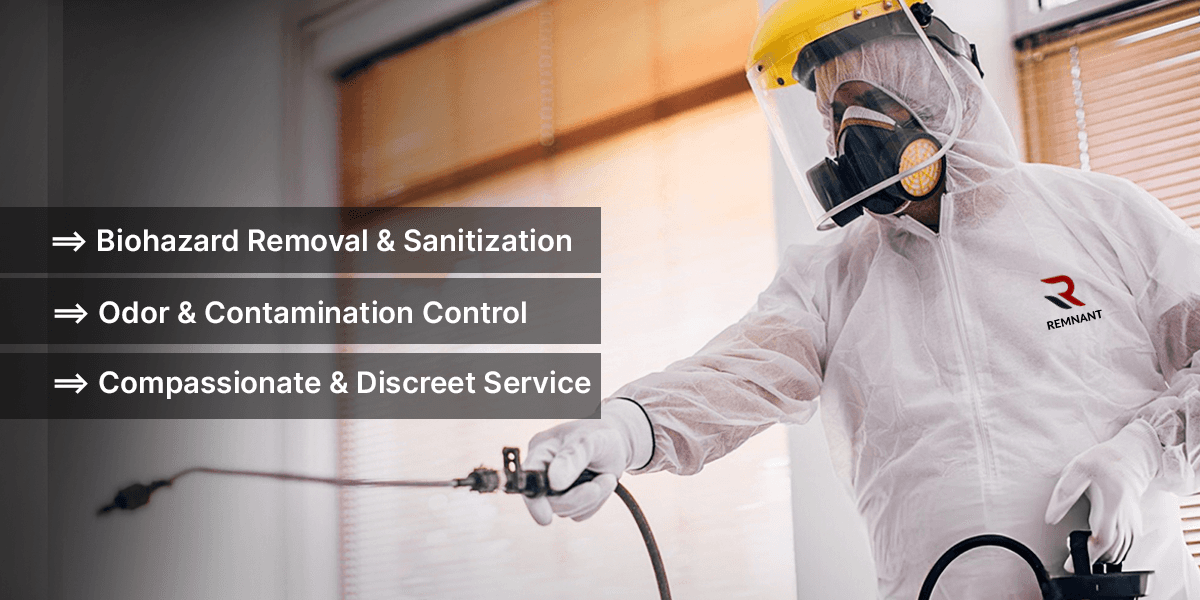
The area is decontaminated using hospital-grade disinfectants, enzyme cleaners, and protocols that eradicate harmful microorganisms. This is not routine janitorial work; it requires advanced processes designed to destroy pathogens at the microscopic level.
Technicians may use verification methods like ATP (adenosine triphosphate) testing, which measures the presence of organic matter on surfaces after cleaning. This confirms whether the area is fully sanitized in accordance with industry standards.
4. Odor Removal & Structural Restoration
Decomposition and trauma scenes often create strong, lingering odors. Professionals use:
HEPA filters
Ozone treatment (when applicable)
Hydroxyl generators
Deodorizing foggers
If structural materials absorbed contamination, they are removed to ensure long-term safety.
5. Final Clearance
Once the affected area is fully restored, the property is considered safe and habitable again. Most reputable companies provide documentation of the cleanup.
Why Proper Crime Scene Cleanup Matters?
When a violent incident, suicide, unattended death, or traumatic event happens, the aftermath isn’t just upsetting to look at. It’s dangerous on a level most people never realize. The emotional shock alone is overwhelming. Physical risks hidden in blood, bodily fluids, and decomposition make the situation even more serious. Trying to clean up a trauma scene by yourself isn’t just a tough task. It exposes you to life-threatening pathogens and can deepen the emotional trauma you're already dealing with.
After the police leave and the scene is no longer considered evidence, families or property owners face a harsh reality. Someone has to clean up what’s left behind. Many people don’t think about what comes next. Trauma scenes aren’t like spills on a kitchen floor. They seep into flooring, saturate porous materials, spread through HVAC systems, and cling to surfaces in ways that everyday cleaning supplies can’t touch.
Improper cleanup doesn’t just leave lingering odors or stains. It leaves behind biohazards that can cause infection, illness, or long-term health problems. This isn’t the time for DIY solutions, bleach sprays, or emotional willpower. You need professional equipment and professional training. Honestly, you also need professional emotional distance.
Trauma cleanup specialists remove dangers most people can’t see. They restore the environment to safe conditions. They also shield families from the most painful reminders of what happened. Proper biohazard cleanup isn’t just about sanitation. It’s about health and safety, and about helping people move forward without carrying the burden of the scene itself.
Who Performs Crime Scene Cleanup?
Crime scene cleanup is the property owner's job once police and investigators are done. Police, firefighters, or the city do not handle it. If the owner does not hire professional cleanup teams, they are left to manage the aftermath. These teams have skilled workers who know how to handle dangerous materials safely and clean up trauma scenes. They use safety gear, strong cleaners, and special tools to remove all contamination. This job is too risky for people without special training. Because tragedies can happen at any time, cleanup teams work around the clock and are always ready to help.
Tools and Safety Measures Used in Crime Scene Cleanup
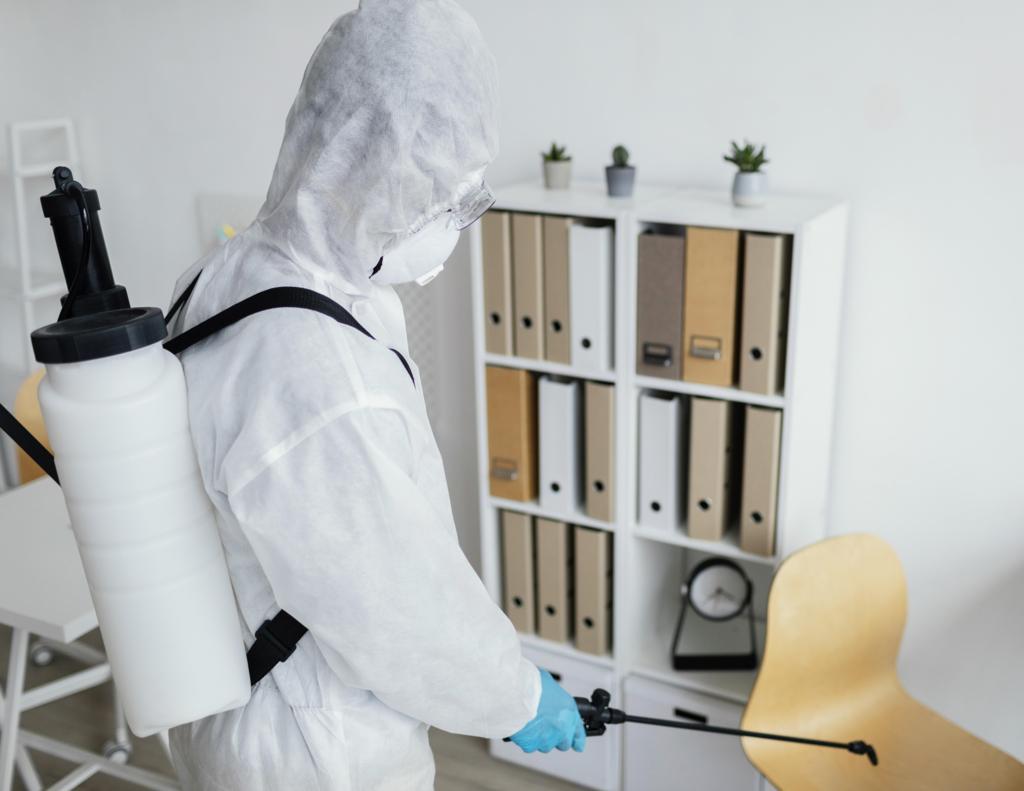
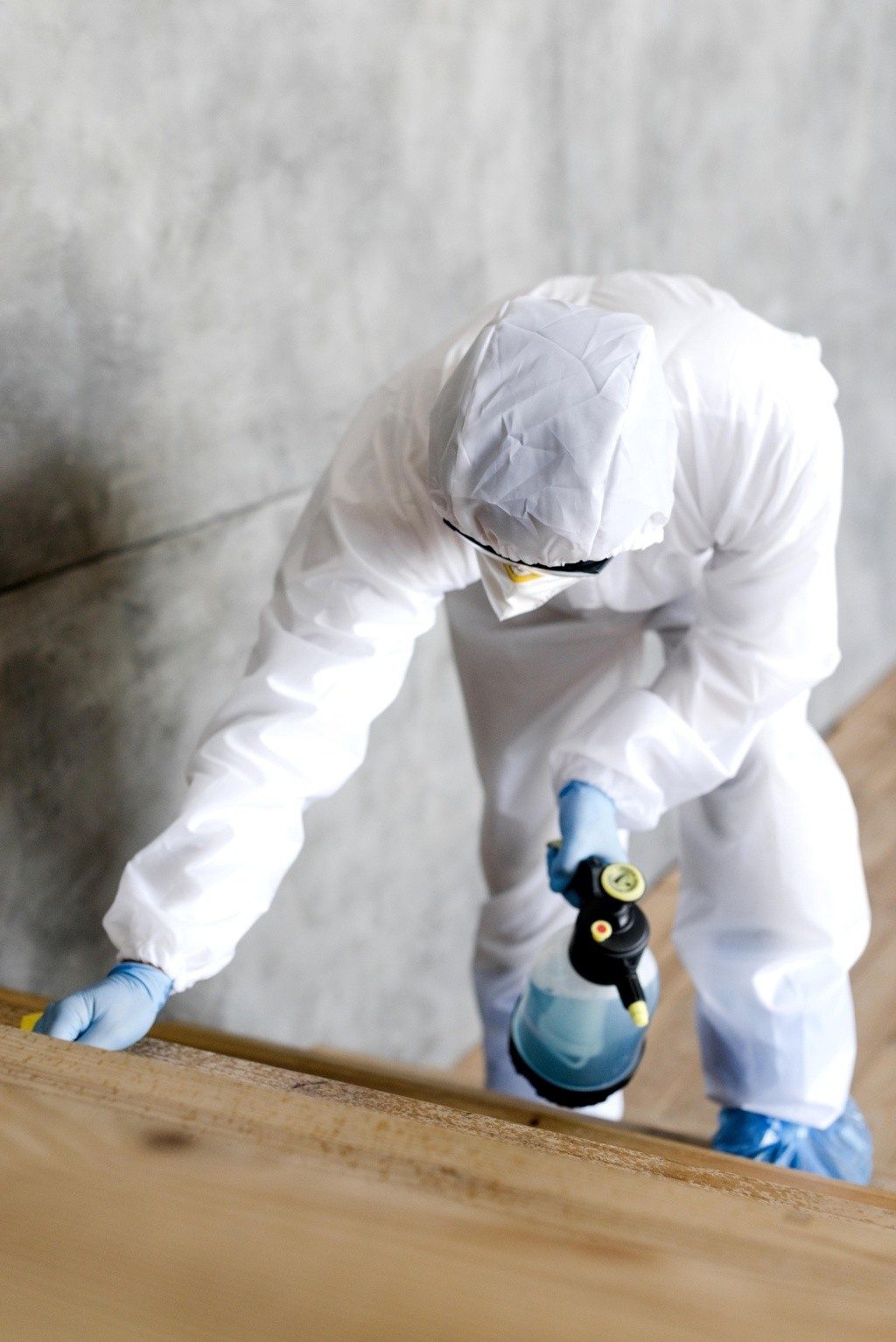
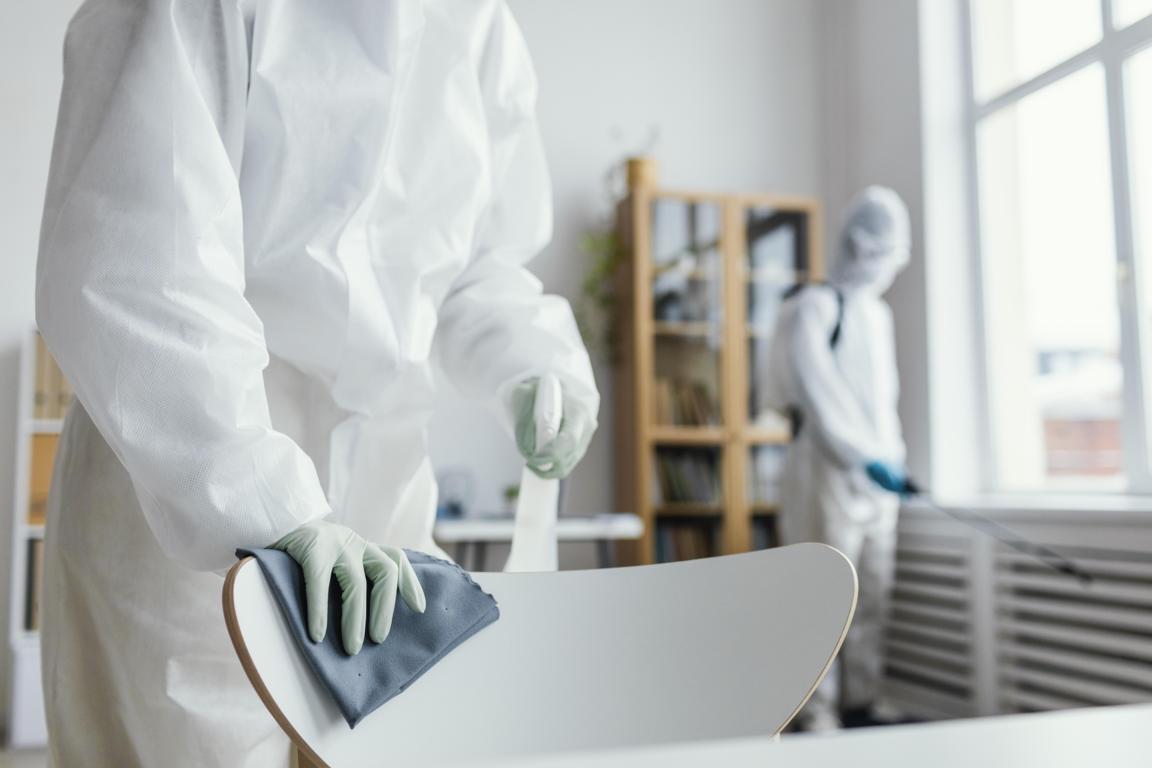
Crime scene cleanup demands specialized equipment and protective gear far exceeding standard cleaning. Cleaners don full-body suits, gloves, and respirators to shield themselves from harmful pathogens. They employ biohazard bins, medical waste bags, and sharps containers to safely contain contaminated materials. Industrial disinfectants, ozone generators, ATP meters, and HEPA vacuums ensure thorough microscopic sanitation. Every procedure complies strictly with health, safety, and environmental regulations to safeguard both cleanup personnel and future occupants.
Why You Should Always Hire Professionals
Cleaning a trauma scene yourself is emotionally painful and dangerous. Blood and bodily fluids may carry diseases, and only professional cleaners can fully decontaminate a space. They are trained to manage hazards, follow safety standards, and work discreetly to protect privacy. Most importantly, they restore the site and help families find peace of mind. If you need expert help, contact professional crime scene cleaners today and let them handle the process safely and compassionately.
How to Choose the Right Crime Scene Cleanup Company?
When searching for crime scene cleanup, you want more than a fancy website; you want a team that knows what they’re doing. The right company should offer 24/7 emergency response, because trauma scenes can’t sit for hours. Their technicians must have OSHA-compliant training, proper certifications, and real hands-on experience.
Choose companies with clear pricing, avoid vague estimates, and surprise fees. Check genuine customer reviews to verify their performance. Professional teams use unmarked vehicles for privacy and follow strict biohazard disposal rules to prevent mishandling or illegal dumping.
Conclusion
Crime scene cleanup is far more than just cleaning a space. It’s an essential service that helps restore safety and dignity after some of life’s hardest moments. With specialized training, advanced equipment, and a compassionate approach, professional cleaners enable families and communities to focus on healing rather than reliving the trauma. Whether it’s a crime, accident, suicide, or unattended death, crime scene cleanup ensures that the space and the people affected can move forward safely.
Tragedies, violent crimes, suicides, and unexpected deaths cause more than grief; they leave behind dangerous, overwhelming scenes. When law enforcement finishes and clears the area, families and property owners are left asking: What happens now?
The truth is, trauma scenes are not just messy. They’re filled with biohazards, can spread infection, trigger odors, and cause health risks. Cleaning them isn’t for the average person. Crime scene cleanup requires skill, compassion, and the ability to support survivors during dark times.
When tragedy strikes, homicide, suicide, or unattended death, professional remediation is essential. Technicians don’t just remove hazards. They decontaminate spaces, eliminate pathogens, restore safety, and help stabilize those affected.
Professional cleaning is about more than washing away what happened. It’s about reducing emotional triggers, restoring the property, and creating an environment that fosters healing. In these moments, professional remediation offers more than cleanliness; it provides hope, resilience, and the first step toward recovery. If you or someone you know faces the aftermath of a traumatic event, reach out to professional crime scene remediation experts for the support and safety you deserve.
What Is a Crime Scene Cleanup?
Crime scene cleanup is distinct from police and investigator duties, focusing solely on cleaning, sanitizing, and restoring areas following a traumatic event such as a crime, accident, suicide, or unattended death. While law enforcement handles evidence collection and investigation, trained biohazard cleanup professionals are responsible for returning spaces to safe, livable conditions by removing contaminants. Their specialized role addresses hazards that standard cleaning cannot, providing an essential but challenging service.
These situations commonly include:
Violent crimes
Homicides
Suicides
Unattended deaths
Decomposition
Accidents
Industrial injuries
Vehicle biohazards
Hoarding hazards
However, crime scene cleanup involves much more than ordinary cleaning. Many of these scenes contain bloodborne pathogens, infectious materials, strong odors, and physical contamination that cannot be handled with everyday products.
Due to these risks, professional crime scene cleanup services adhere to strict OSHA, EPA, and state regulations to safely remove biohazards and restore property to its pre-incident condition.
Situations That Require Crime Scene or Biohazard Cleanup
Any place with blood or bodily fluids is a biohazard. These substances can carry dangerous viruses or bacteria. Ordinary cleaning products are not enough to make the area safe. Professional cleanup protects people from serious health risks and ensures thorough decontamination. These scenes are also emotionally overwhelming. Professional cleaners help families focus on healing by alleviating the burden of trauma for them. If you need help, contact our team today to ensure your safety and peace of mind.
1. Violent Crimes
After violent crimes, blood, bodily fluids, and other contaminants often remain long after police investigations. These substances can carry dangerous pathogens such as hepatitis and MRSA. In addition to crime scenes, cleanup is also necessary after suicides.
2. Suicide Cleanup
Trauma scenes can be emotionally overwhelming for loved ones. Professional suicide cleanup protects families from exposure and relieves them of a painful burden. In addition to suicides, unattended deaths also require specialized cleanup.
3. Unattended Death Cleanup
One of the most common and complex situations is when someone passes away alone. Decomposition begins quickly, causing:
Fluids to seep into floors and walls
Strong odors
Bacterial growth
Structural contamination
Only trained biohazard professionals can safely remediate this.
4. Accidents & Injuries
Additionally, workplace incidents, industrial accidents, accidental injuries at home, and vehicle biohazards may require blood cleanup services. Our services address these scenarios using medical-grade disinfectants and PPE.
5. Vehicle Biohazards
Collisions, self-harm incidents, or medical emergencies inside vehicles often require certified biohazard cleanup specialists. Our professionals provide thorough cleaning, sanitization, and odor removal to ensure vehicles are returned to a safe, usable state with care and discretion.
How Crime Scene Cleanup Works: Step-by-Step
A professional crime scene cleanup follows a systematic, regulated process grounded in scientific principles. Here’s what happens behind the scenes.
1. Assessment & Scene Safety
Technicians start by:
Inspecting the scene
Identifying contamination
Testing for pathogens when needed
Creating a secure, contained work area
This ensures safety and prevents cross-contamination.
2. Removal of Biohazards
This stage demands significant physical effort.
Professionals remove:
Blood
Bodily fluids
Tissue
Contaminated materials
Porous items that cannot be salvaged
Contaminated drywall, flooring, or furniture
Everything is handled as regulated medical waste in accordance with federal and state laws.
3. Cleaning, Disinfection & Sanitization
The area is decontaminated using hospital-grade disinfectants, enzyme cleaners, and protocols that eradicate harmful microorganisms. This is not routine janitorial work; it requires advanced processes designed to destroy pathogens at the microscopic level.
Technicians may use verification methods like ATP (adenosine triphosphate) testing, which measures the presence of organic matter on surfaces after cleaning. This confirms whether the area is fully sanitized in accordance with industry standards.
4. Odor Removal & Structural Restoration
Decomposition and trauma scenes often create strong, lingering odors. Professionals use:
HEPA filters
Ozone treatment (when applicable)
Hydroxyl generators
Deodorizing foggers
If structural materials absorbed contamination, they are removed to ensure long-term safety.
5. Final Clearance
Once the affected area is fully restored, the property is considered safe and habitable again. Most reputable companies provide documentation of the cleanup.
Why Proper Crime Scene Cleanup Matters?
When a violent incident, suicide, unattended death, or traumatic event happens, the aftermath isn’t just upsetting to look at. It’s dangerous on a level most people never realize. The emotional shock alone is overwhelming. Physical risks hidden in blood, bodily fluids, and decomposition make the situation even more serious. Trying to clean up a trauma scene by yourself isn’t just a tough task. It exposes you to life-threatening pathogens and can deepen the emotional trauma you're already dealing with.
After the police leave and the scene is no longer considered evidence, families or property owners face a harsh reality. Someone has to clean up what’s left behind. Many people don’t think about what comes next. Trauma scenes aren’t like spills on a kitchen floor. They seep into flooring, saturate porous materials, spread through HVAC systems, and cling to surfaces in ways that everyday cleaning supplies can’t touch.
Improper cleanup doesn’t just leave lingering odors or stains. It leaves behind biohazards that can cause infection, illness, or long-term health problems. This isn’t the time for DIY solutions, bleach sprays, or emotional willpower. You need professional equipment and professional training. Honestly, you also need professional emotional distance.
Trauma cleanup specialists remove dangers most people can’t see. They restore the environment to safe conditions. They also shield families from the most painful reminders of what happened. Proper biohazard cleanup isn’t just about sanitation. It’s about health and safety, and about helping people move forward without carrying the burden of the scene itself.
Who Performs Crime Scene Cleanup?
Crime scene cleanup is the property owner's job once police and investigators are done. Police, firefighters, or the city do not handle it. If the owner does not hire professional cleanup teams, they are left to manage the aftermath. These teams have skilled workers who know how to handle dangerous materials safely and clean up trauma scenes. They use safety gear, strong cleaners, and special tools to remove all contamination. This job is too risky for people without special training. Because tragedies can happen at any time, cleanup teams work around the clock and are always ready to help.
Tools and Safety Measures Used in Crime Scene Cleanup
Crime scene cleanup demands specialized equipment and protective gear far exceeding standard cleaning. Cleaners don full-body suits, gloves, and respirators to shield themselves from harmful pathogens. They employ biohazard bins, medical waste bags, and sharps containers to safely contain contaminated materials. Industrial disinfectants, ozone generators, ATP meters, and HEPA vacuums ensure thorough microscopic sanitation. Every procedure complies strictly with health, safety, and environmental regulations to safeguard both cleanup personnel and future occupants.
Why You Should Always Hire Professionals
Cleaning a trauma scene yourself is emotionally painful and dangerous. Blood and bodily fluids may carry diseases, and only professional cleaners can fully decontaminate a space. They are trained to manage hazards, follow safety standards, and work discreetly to protect privacy. Most importantly, they restore the site and help families find peace of mind. If you need expert help, contact professional crime scene cleaners today and let them handle the process safely and compassionately.
How to Choose the Right Crime Scene Cleanup Company?
When searching for crime scene cleanup, you want more than a fancy website; you want a team that knows what they’re doing. The right company should offer 24/7 emergency response, because trauma scenes can’t sit for hours. Their technicians must have OSHA-compliant training, proper certifications, and real hands-on experience.
Choose companies with clear pricing, avoid vague estimates, and surprise fees. Check genuine customer reviews to verify their performance. Professional teams use unmarked vehicles for privacy and follow strict biohazard disposal rules to prevent mishandling or illegal dumping.
Conclusion
Crime scene cleanup is far more than just cleaning a space. It’s an essential service that helps restore safety and dignity after some of life’s hardest moments. With specialized training, advanced equipment, and a compassionate approach, professional cleaners enable families and communities to focus on healing rather than reliving the trauma. Whether it’s a crime, accident, suicide, or unattended death, crime scene cleanup ensures that the space and the people affected can move forward safely.
Tragedies, violent crimes, suicides, and unexpected deaths cause more than grief; they leave behind dangerous, overwhelming scenes. When law enforcement finishes and clears the area, families and property owners are left asking: What happens now?
The truth is, trauma scenes are not just messy. They’re filled with biohazards, can spread infection, trigger odors, and cause health risks. Cleaning them isn’t for the average person. Crime scene cleanup requires skill, compassion, and the ability to support survivors during dark times.
When tragedy strikes, homicide, suicide, or unattended death, professional remediation is essential. Technicians don’t just remove hazards. They decontaminate spaces, eliminate pathogens, restore safety, and help stabilize those affected.
Professional cleaning is about more than washing away what happened. It’s about reducing emotional triggers, restoring the property, and creating an environment that fosters healing. In these moments, professional remediation offers more than cleanliness; it provides hope, resilience, and the first step toward recovery. If you or someone you know faces the aftermath of a traumatic event, reach out to professional crime scene remediation experts for the support and safety you deserve.
What Is a Crime Scene Cleanup?
Crime scene cleanup is distinct from police and investigator duties, focusing solely on cleaning, sanitizing, and restoring areas following a traumatic event such as a crime, accident, suicide, or unattended death. While law enforcement handles evidence collection and investigation, trained biohazard cleanup professionals are responsible for returning spaces to safe, livable conditions by removing contaminants. Their specialized role addresses hazards that standard cleaning cannot, providing an essential but challenging service.
These situations commonly include:
Violent crimes
Homicides
Suicides
Unattended deaths
Decomposition
Accidents
Industrial injuries
Vehicle biohazards
Hoarding hazards
However, crime scene cleanup involves much more than ordinary cleaning. Many of these scenes contain bloodborne pathogens, infectious materials, strong odors, and physical contamination that cannot be handled with everyday products.
Due to these risks, professional crime scene cleanup services adhere to strict OSHA, EPA, and state regulations to safely remove biohazards and restore property to its pre-incident condition.
Situations That Require Crime Scene or Biohazard Cleanup
Any place with blood or bodily fluids is a biohazard. These substances can carry dangerous viruses or bacteria. Ordinary cleaning products are not enough to make the area safe. Professional cleanup protects people from serious health risks and ensures thorough decontamination. These scenes are also emotionally overwhelming. Professional cleaners help families focus on healing by alleviating the burden of trauma for them. If you need help, contact our team today to ensure your safety and peace of mind.
1. Violent Crimes
After violent crimes, blood, bodily fluids, and other contaminants often remain long after police investigations. These substances can carry dangerous pathogens such as hepatitis and MRSA. In addition to crime scenes, cleanup is also necessary after suicides.
2. Suicide Cleanup
Trauma scenes can be emotionally overwhelming for loved ones. Professional suicide cleanup protects families from exposure and relieves them of a painful burden. In addition to suicides, unattended deaths also require specialized cleanup.
3. Unattended Death Cleanup
One of the most common and complex situations is when someone passes away alone. Decomposition begins quickly, causing:
Fluids to seep into floors and walls
Strong odors
Bacterial growth
Structural contamination
Only trained biohazard professionals can safely remediate this.
4. Accidents & Injuries
Additionally, workplace incidents, industrial accidents, accidental injuries at home, and vehicle biohazards may require blood cleanup services. Our services address these scenarios using medical-grade disinfectants and PPE.
5. Vehicle Biohazards
Collisions, self-harm incidents, or medical emergencies inside vehicles often require certified biohazard cleanup specialists. Our professionals provide thorough cleaning, sanitization, and odor removal to ensure vehicles are returned to a safe, usable state with care and discretion.
How Crime Scene Cleanup Works: Step-by-Step
A professional crime scene cleanup follows a systematic, regulated process grounded in scientific principles. Here’s what happens behind the scenes.
1. Assessment & Scene Safety
Technicians start by:
Inspecting the scene
Identifying contamination
Testing for pathogens when needed
Creating a secure, contained work area
This ensures safety and prevents cross-contamination.
2. Removal of Biohazards
This stage demands significant physical effort.
Professionals remove:
Blood
Bodily fluids
Tissue
Contaminated materials
Porous items that cannot be salvaged
Contaminated drywall, flooring, or furniture
Everything is handled as regulated medical waste in accordance with federal and state laws.
3. Cleaning, Disinfection & Sanitization
The area is decontaminated using hospital-grade disinfectants, enzyme cleaners, and protocols that eradicate harmful microorganisms. This is not routine janitorial work; it requires advanced processes designed to destroy pathogens at the microscopic level.
Technicians may use verification methods like ATP (adenosine triphosphate) testing, which measures the presence of organic matter on surfaces after cleaning. This confirms whether the area is fully sanitized in accordance with industry standards.
4. Odor Removal & Structural Restoration
Decomposition and trauma scenes often create strong, lingering odors. Professionals use:
HEPA filters
Ozone treatment (when applicable)
Hydroxyl generators
Deodorizing foggers
If structural materials absorbed contamination, they are removed to ensure long-term safety.
5. Final Clearance
Once the affected area is fully restored, the property is considered safe and habitable again. Most reputable companies provide documentation of the cleanup.
Why Proper Crime Scene Cleanup Matters?
When a violent incident, suicide, unattended death, or traumatic event happens, the aftermath isn’t just upsetting to look at. It’s dangerous on a level most people never realize. The emotional shock alone is overwhelming. Physical risks hidden in blood, bodily fluids, and decomposition make the situation even more serious. Trying to clean up a trauma scene by yourself isn’t just a tough task. It exposes you to life-threatening pathogens and can deepen the emotional trauma you're already dealing with.
After the police leave and the scene is no longer considered evidence, families or property owners face a harsh reality. Someone has to clean up what’s left behind. Many people don’t think about what comes next. Trauma scenes aren’t like spills on a kitchen floor. They seep into flooring, saturate porous materials, spread through HVAC systems, and cling to surfaces in ways that everyday cleaning supplies can’t touch.
Improper cleanup doesn’t just leave lingering odors or stains. It leaves behind biohazards that can cause infection, illness, or long-term health problems. This isn’t the time for DIY solutions, bleach sprays, or emotional willpower. You need professional equipment and professional training. Honestly, you also need professional emotional distance.
Trauma cleanup specialists remove dangers most people can’t see. They restore the environment to safe conditions. They also shield families from the most painful reminders of what happened. Proper biohazard cleanup isn’t just about sanitation. It’s about health and safety, and about helping people move forward without carrying the burden of the scene itself.
Who Performs Crime Scene Cleanup?
Crime scene cleanup is the property owner's job once police and investigators are done. Police, firefighters, or the city do not handle it. If the owner does not hire professional cleanup teams, they are left to manage the aftermath. These teams have skilled workers who know how to handle dangerous materials safely and clean up trauma scenes. They use safety gear, strong cleaners, and special tools to remove all contamination. This job is too risky for people without special training. Because tragedies can happen at any time, cleanup teams work around the clock and are always ready to help.
Tools and Safety Measures Used in Crime Scene Cleanup
Crime scene cleanup demands specialized equipment and protective gear far exceeding standard cleaning. Cleaners don full-body suits, gloves, and respirators to shield themselves from harmful pathogens. They employ biohazard bins, medical waste bags, and sharps containers to safely contain contaminated materials. Industrial disinfectants, ozone generators, ATP meters, and HEPA vacuums ensure thorough microscopic sanitation. Every procedure complies strictly with health, safety, and environmental regulations to safeguard both cleanup personnel and future occupants.
Why You Should Always Hire Professionals
Cleaning a trauma scene yourself is emotionally painful and dangerous. Blood and bodily fluids may carry diseases, and only professional cleaners can fully decontaminate a space. They are trained to manage hazards, follow safety standards, and work discreetly to protect privacy. Most importantly, they restore the site and help families find peace of mind. If you need expert help, contact professional crime scene cleaners today and let them handle the process safely and compassionately.
How to Choose the Right Crime Scene Cleanup Company?
When searching for crime scene cleanup, you want more than a fancy website; you want a team that knows what they’re doing. The right company should offer 24/7 emergency response, because trauma scenes can’t sit for hours. Their technicians must have OSHA-compliant training, proper certifications, and real hands-on experience.
Choose companies with clear pricing, avoid vague estimates, and surprise fees. Check genuine customer reviews to verify their performance. Professional teams use unmarked vehicles for privacy and follow strict biohazard disposal rules to prevent mishandling or illegal dumping.
Conclusion
Crime scene cleanup is far more than just cleaning a space. It’s an essential service that helps restore safety and dignity after some of life’s hardest moments. With specialized training, advanced equipment, and a compassionate approach, professional cleaners enable families and communities to focus on healing rather than reliving the trauma. Whether it’s a crime, accident, suicide, or unattended death, crime scene cleanup ensures that the space and the people affected can move forward safely.
Other Case Studies
Explore our more case studies
Other Case Studies
Explore our more case studies
Other Case Studies