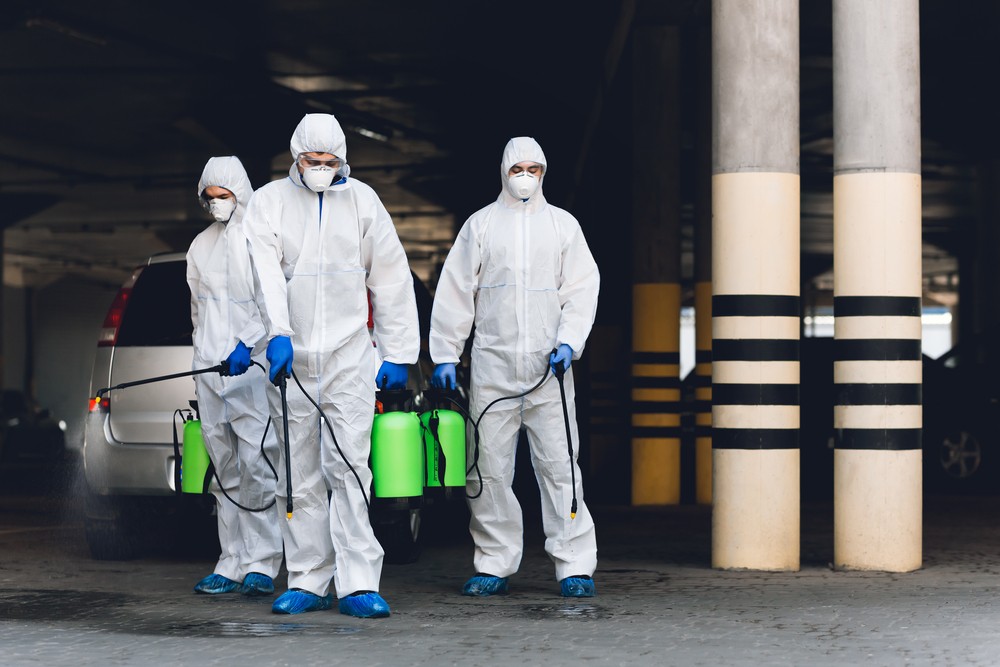
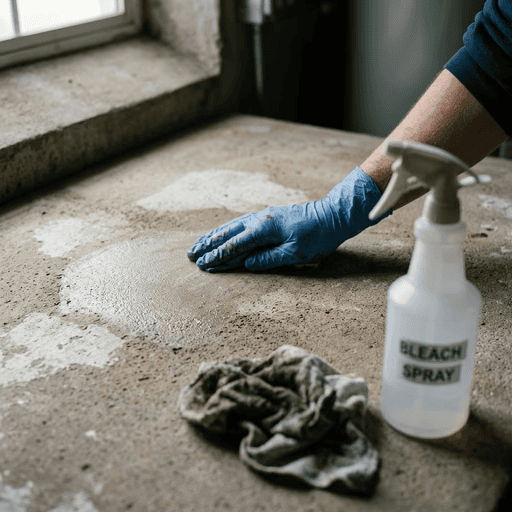
Standard cleaning crew
Stops at the Surface
Standard cleaning only treats visible surfaces, leaving hidden pathogens and odors trapped deep within.
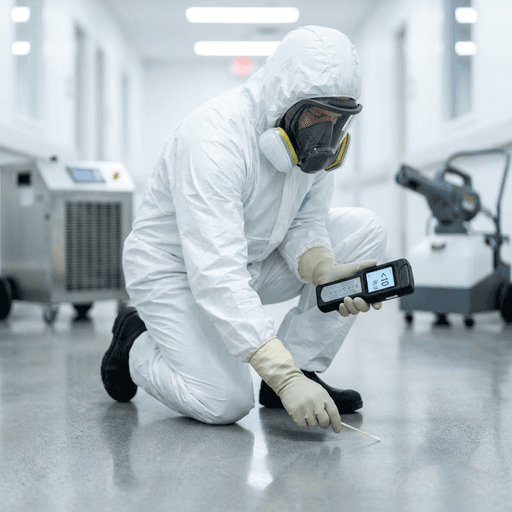
Remnant
Certified Decontamination
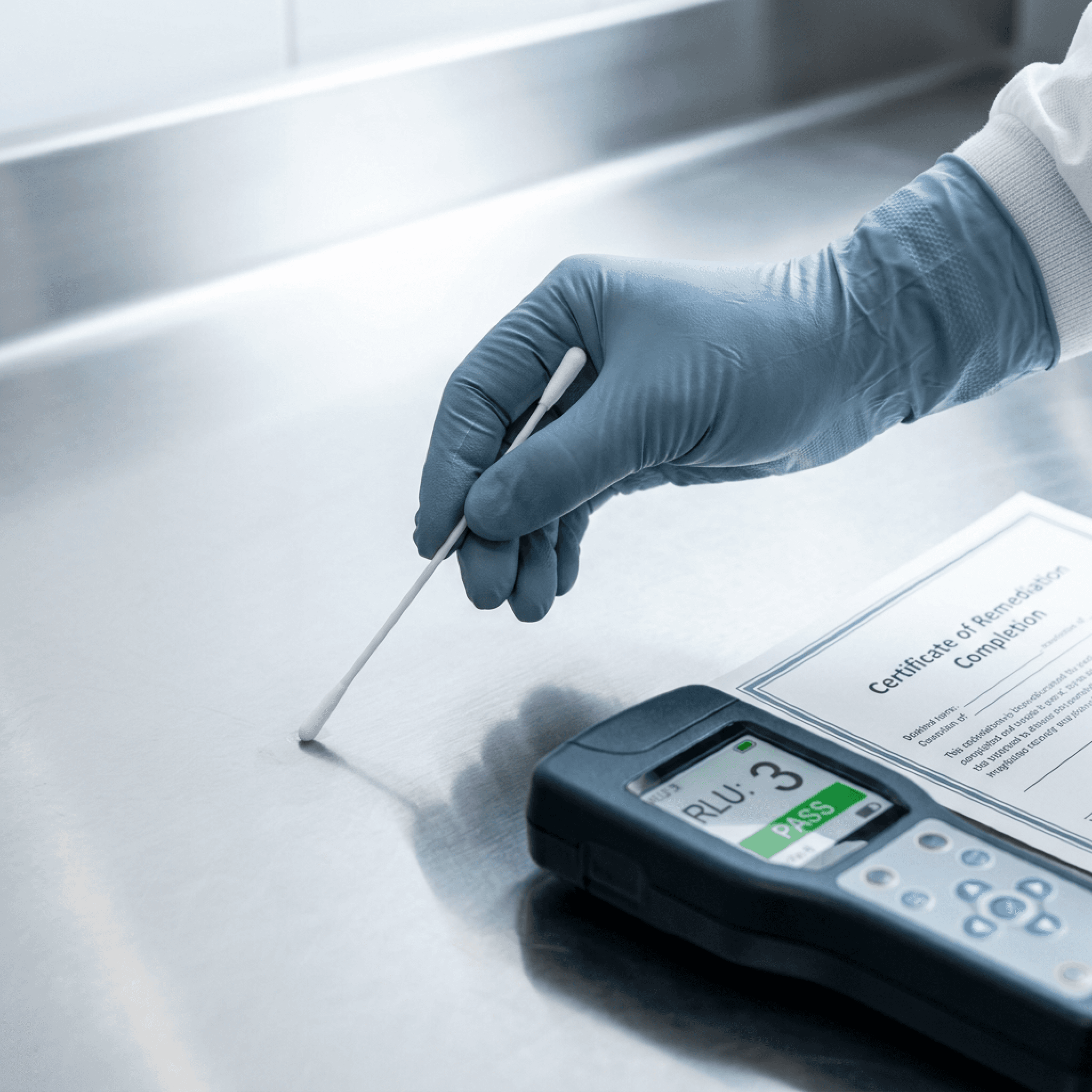
We eliminate biohazards at the molecular level, using advanced ATP testing to guarantee 100% decontamination.
From San Francisco to Daly City, South San Francisco, San Mateo, Oakland, and Sausalito, a technician is never far from the call.
The Reality of an Unattended Death in a San Francisco Property
The first day or two after an unattended death is discovered shapes how much of the property can be returned to use, and the timeline does not pause while the family is processing the loss. Decisions get made early whether they are made consciously or not.
San Francisco's housing stock is among the oldest in California, with Victorian and Edwardian construction dating to the late 1800s. Those buildings have original redwood floors, lath-and-plaster walls, and structural details that absorb biological material differently than newer construction. Apartment buildings throughout the Tenderloin, South of Market, and the Mission have shared ventilation that means the cleanup design extends past the affected unit. SROs and residential hotels have their own configurations that pull the work in another direction altogether. California homeowner and renter policies typically cover professional remediation, and we prepare what the carrier asks for so the insurance side does not slow the cleanup.
Our Step-by-Step Death Cleanup Process
Family Walkthrough
A technician arrives, walks the home with the family or representative, and explains what the cleanup will involve before anything begins.
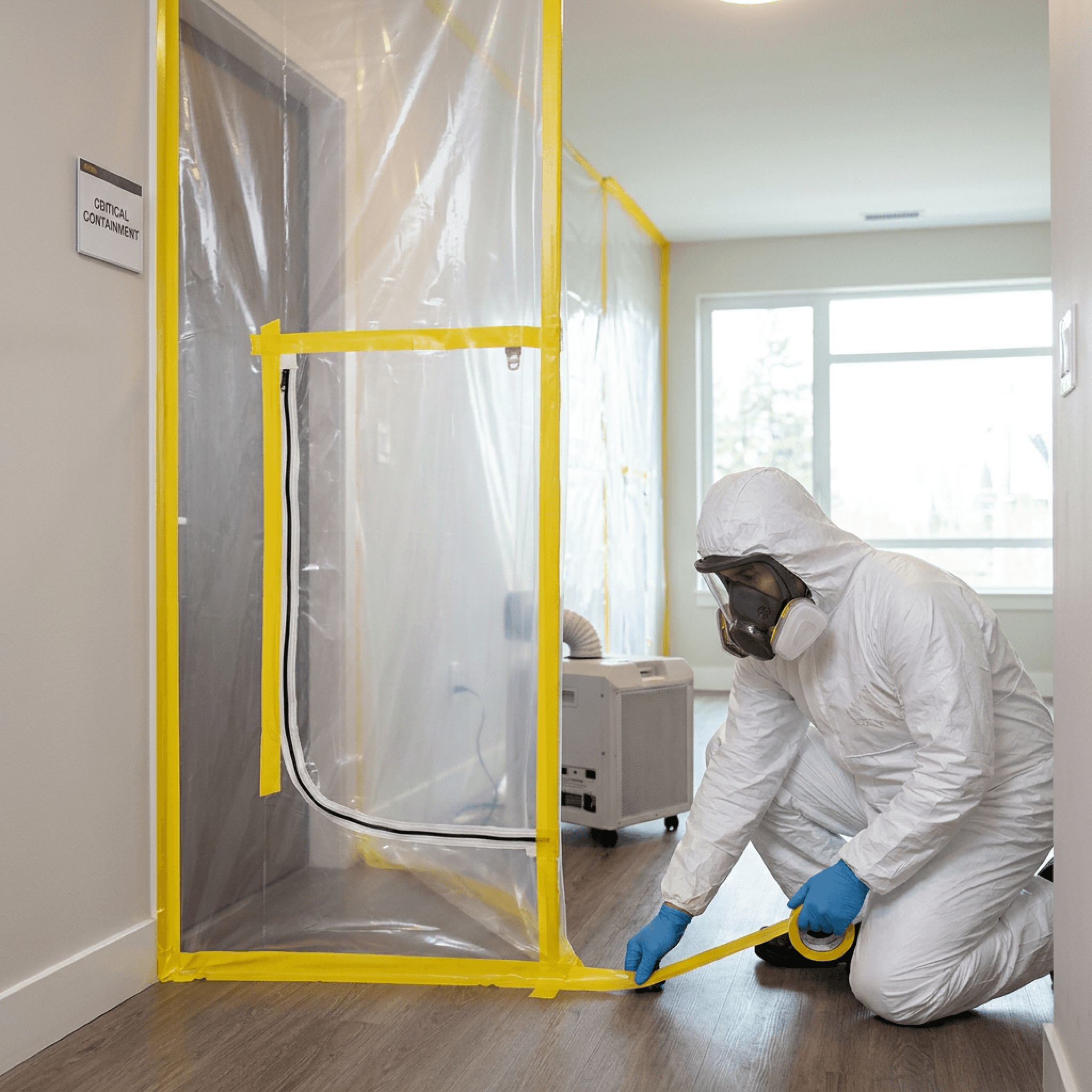
Scene Containment
Sheeting and air filtration close off the affected room so contamination and odor don't reach the rest of the home..
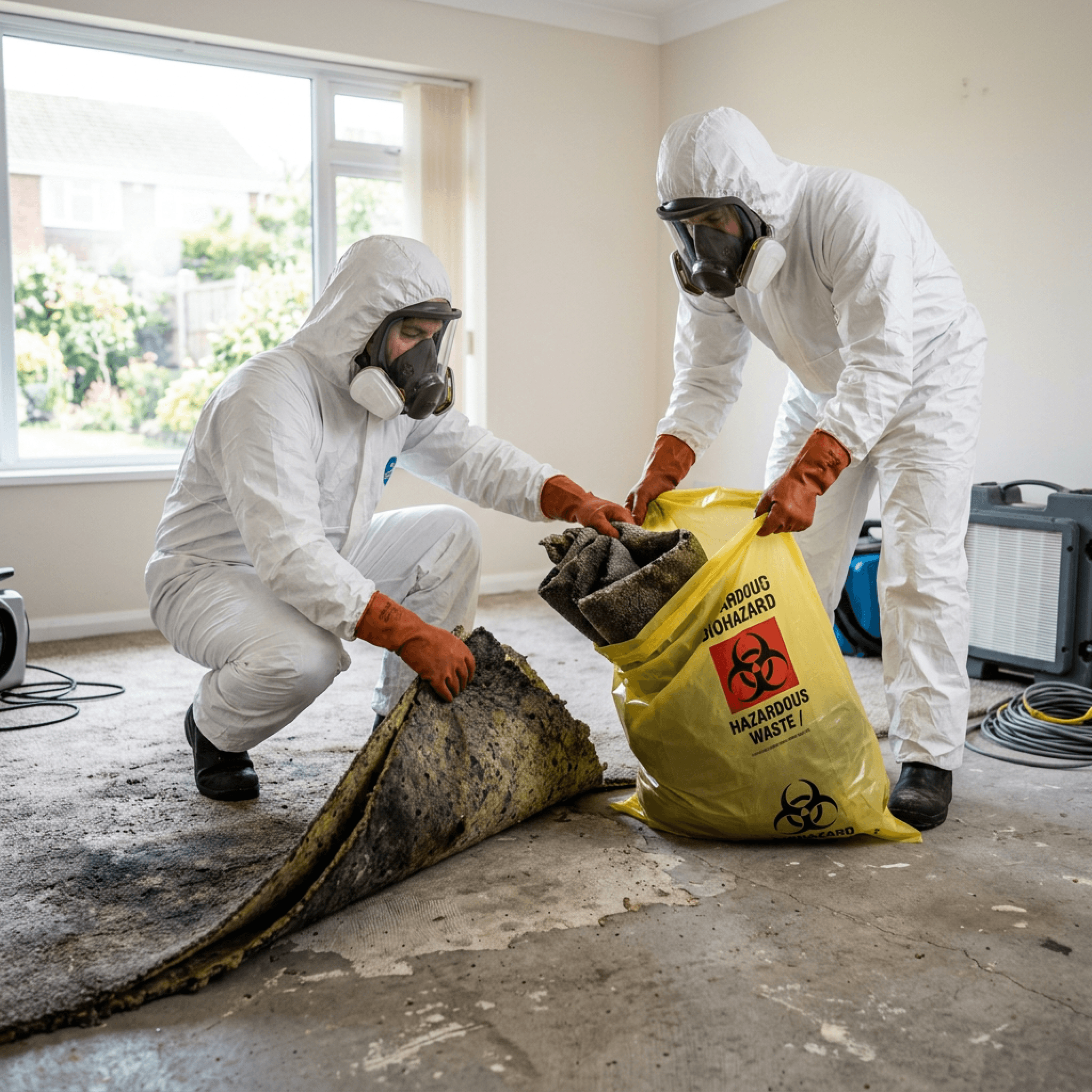
Material Removal
Flooring, padding, drywall, and any furniture that has absorbed biological matter is removed and disposed of through licensed channels.
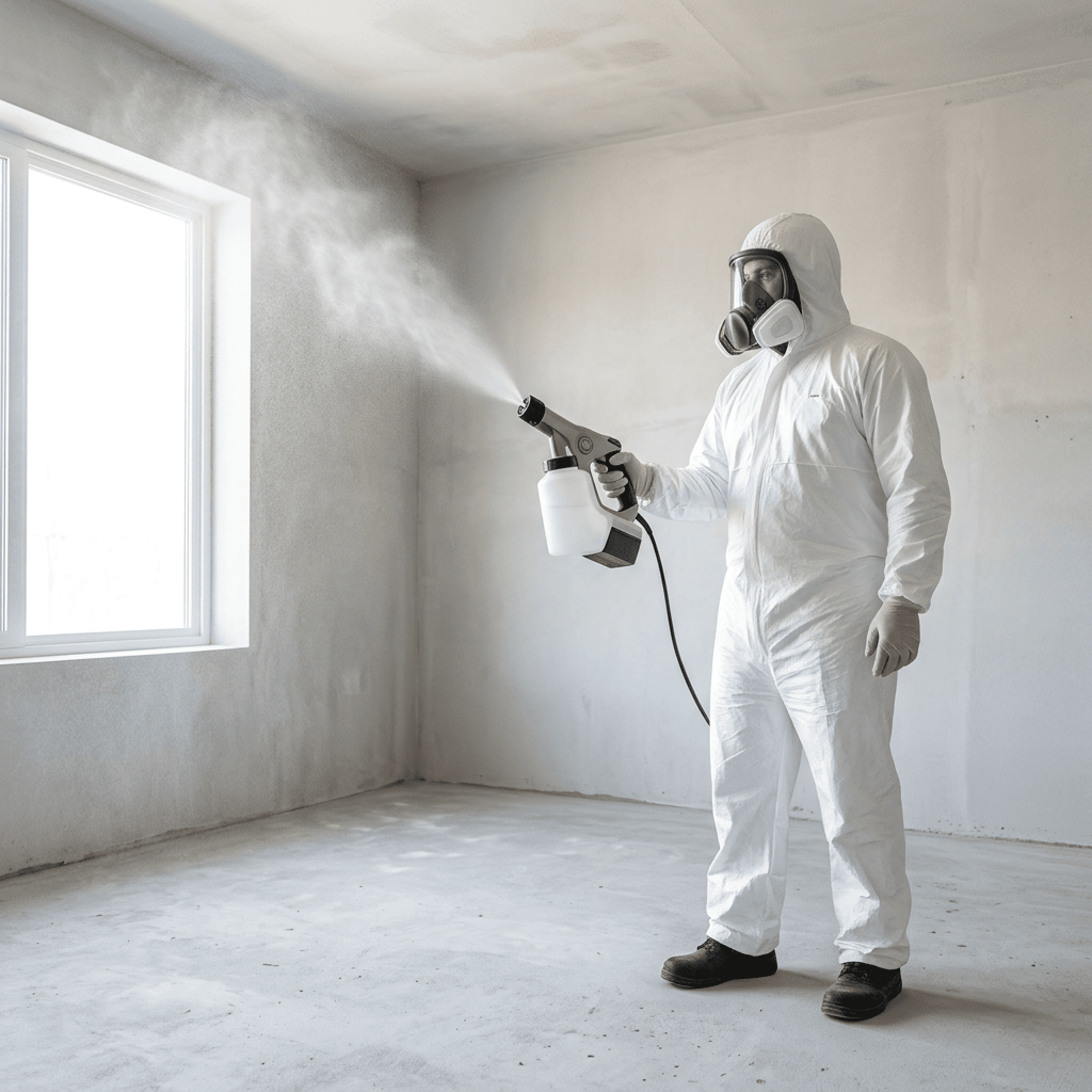
Deep Decontamination
Remaining surfaces are washed with hospital-grade disinfectants chosen for the pathogens present in decomposition events.
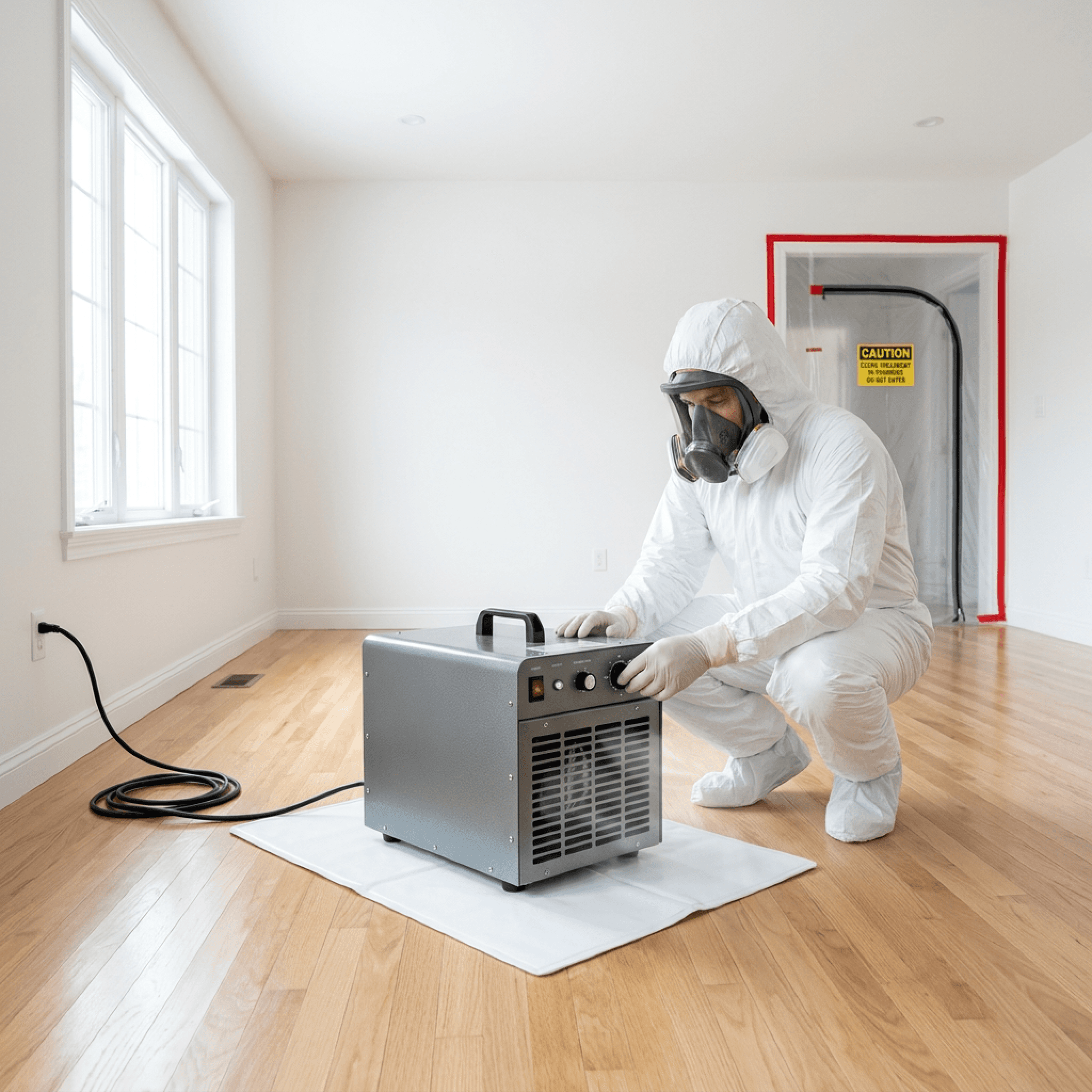
Odor Neutralization
Hydroxyl and ozone equipment break down the molecules behind the smell, treating the air, walls, and remaining materials.
Final Walkthrough
The space is reviewed with the family, photos and a written report are provided, and the home is returned ready for the next step.
The Way a Death Cleanup in San Francisco Gets Carried Out
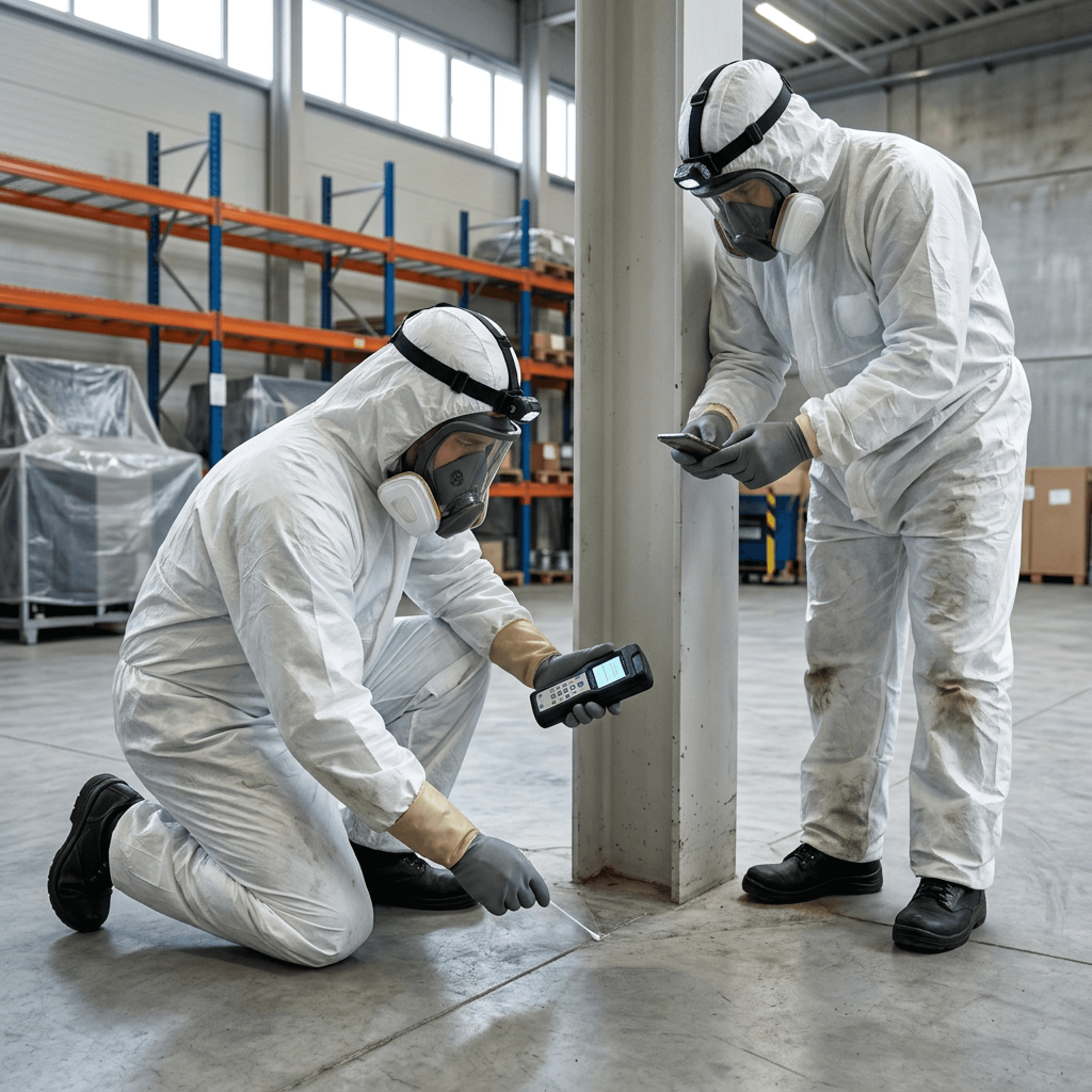
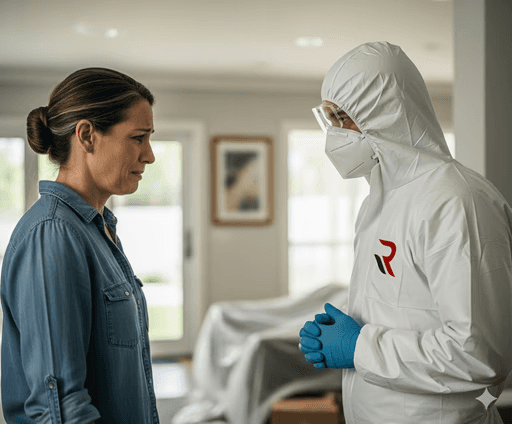
Everything in the protocol runs in sequence, and the sequence starts before the door opens. Outside the affected unit or property, the crew puts on the protective gear: Tyvek that covers the body and seals at the cuffs, full-face HEPA respiration, two layers of nitrile underneath cut-resistant outer gloves, and taped boot covers. Inside the property, the first thing that happens is air management. HEPA-filtered negative-pressure containment is built at the perimeter of the affected zone and is in operation before anyone in the crew makes contact with a surface. For San Francisco's multi-unit, SRO, and apartment stock, that air handling extends to shared ventilation paths so the contamination is not allowed to migrate during the work.
The cleaning then runs in chemistry phases targeted at what biological breakdown actually leaves behind. Enzymatic products break down protein bonds in wood, plaster, drywall, and tile substrate, with particular care taken in the city's older Victorian and Edwardian housing stock where original redwood and lath-and-plaster construction respond differently to treatment than modern materials. Hospital-grade disinfectants handle the bacterial side. Hydroxyl and ozone equipment treat odor compounds at the molecular scale. For San Francisco properties where marine fog and coastal humidity have produced mold growth alongside the contamination, antifungal chemistry runs through the protocol. Materials that the property cannot keep go out packaged, manifested, and tracked to a licensed disposal facility.
The Death Cleanup Situations We Handle
Families restoring a home after a parent, spouse, or relative passes
Landlords and estate representatives reclaiming a unit after a tenant's death
OSHA
Certified
24/7
Response
99.9%
Cleanup Success Rate
"My mother passed in her home and wasn't found for several days. The team handled the cleanup gently and didn't rush us through any of it. The house felt like hers again afterward."
Still Have Questions?
When can the cleanup begin?
Work starts after the medical examiner or coroner has released the scene. Until then, the property remains part of an official process and shouldn't be entered or disturbed by family or any cleaning team.
How long does a typical cleanup take?
Most jobs are completed in one to two days. Cases involving advanced decomposition, larger homes, or contamination that has reached structural materials may extend longer depending on the scope.
Will the smell really go away?
Yes, when the cleanup is done properly. Surface cleaning alone can't reach the molecules behind decomposition odor, which is why hydroxyl and ozone equipment are used to break those compounds down.
Will neighbors notice anything?
Trucks and uniforms carry no biohazard branding, and the work is done quietly. Most neighbors won't be able to tell the difference between our visit and any other service call.