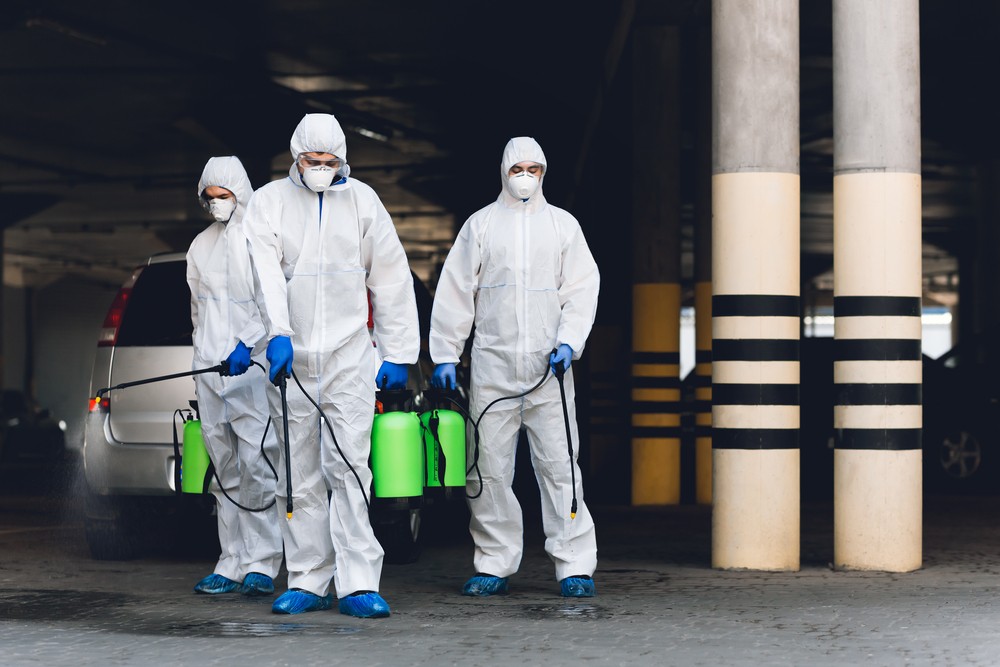
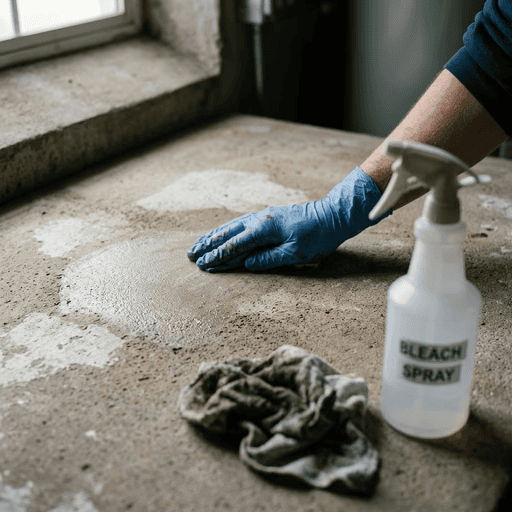
General cleaning crews
Visible Cleaning
Standard cleaning only treats visible surfaces, leaving hidden pathogens and odors trapped deep within.
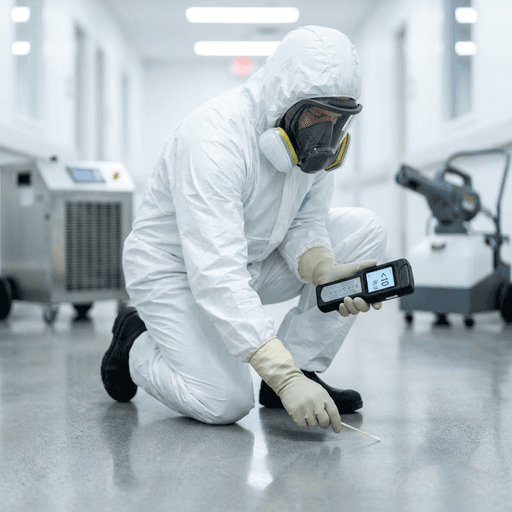
Remnant
Verified Decontamination
We eliminate biohazards at the molecular level, using advanced ATP testing to guarantee 100% decontamination.
From Columbus to Phenix City, Fort Moore, Midland, Bibb City, and Smiths Station, a technician is never far from the call.
Blood Cannot Be Bagged With Household Trash in Columbus
Blood and other potentially infectious fluids cannot be put through Columbus curbside collection, commercial dumpsters, or standard waste haulers. The material is regulated, and the licensed transport, the permitted disposal facility, and the chain-of-custody paperwork are required parts of any cleanup that gets done properly.
The Columbus climate creates a specific timing pressure. Southern humidity keeps moisture in porous building materials longer than a drier inland climate would, and once blood absorbs into hardwood, grout, or subfloor in a closed property, the persistent moisture allows mold growth to set in alongside the biological contamination within a few days. In Columbus's historic housing stock specifically, where original heart-pine and plaster construction holds residue differently than modern materials, the response timing matters even more. Day-one response usually keeps the project on the surface; delay tends to push it into structural removal.
Our Blood Cleanup Process From the First Call to Final Sign-Off
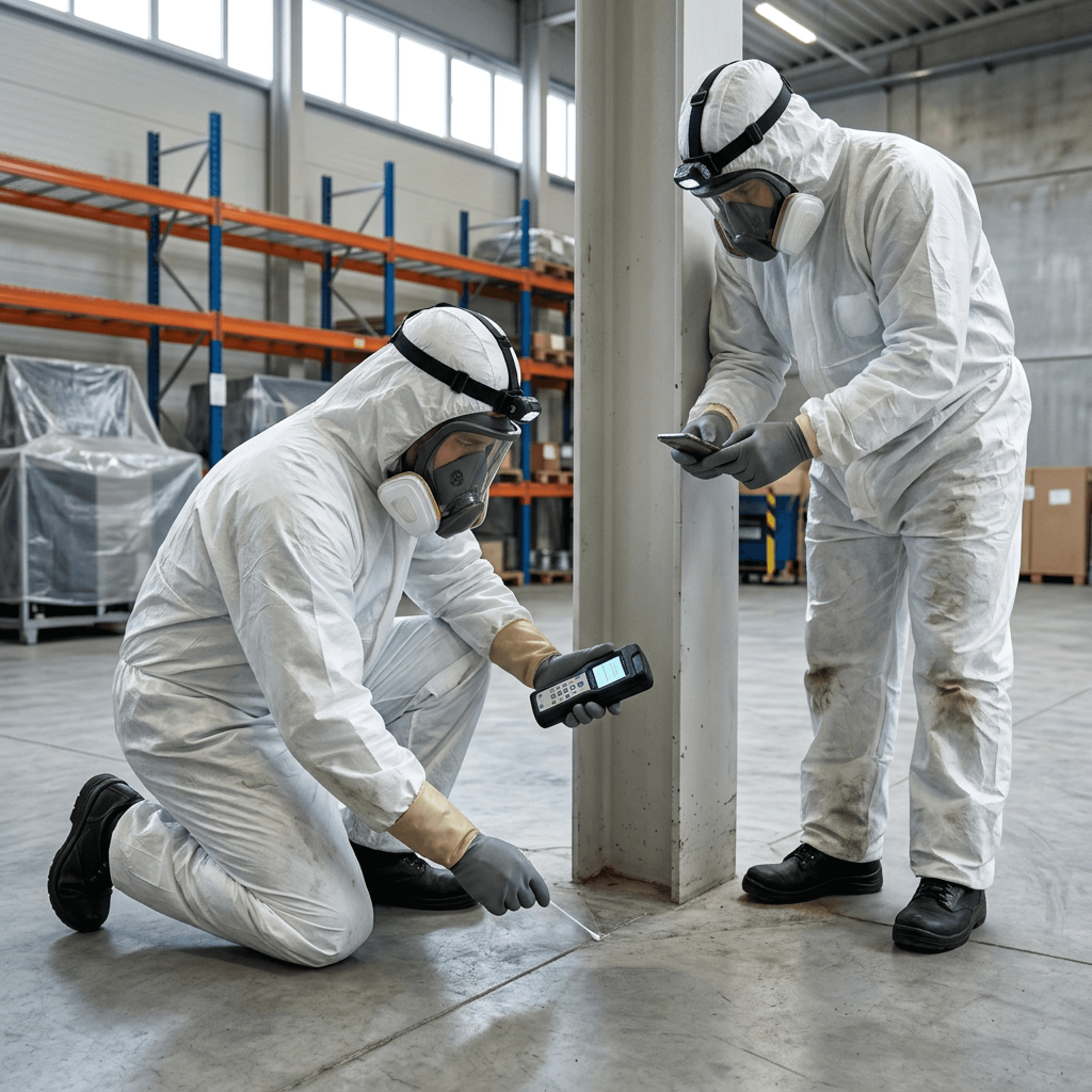
Scene Inspection
A technician arrives on-site, inspects the affected area, and tests surrounding surfaces for spread.
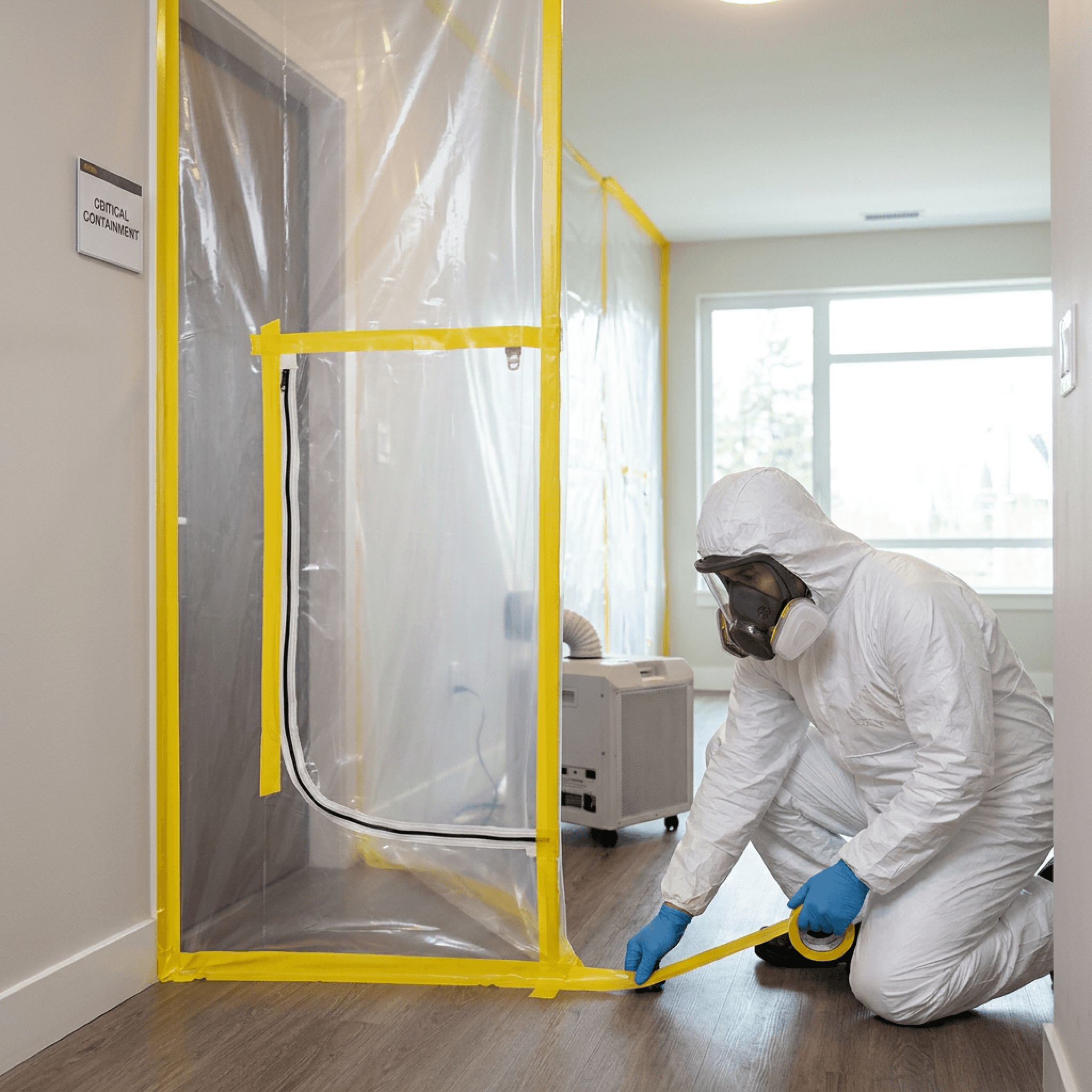
Area Containment
Plastic sheeting goes up around the affected room and HEPA air scrubbers start running before cleanup begins.
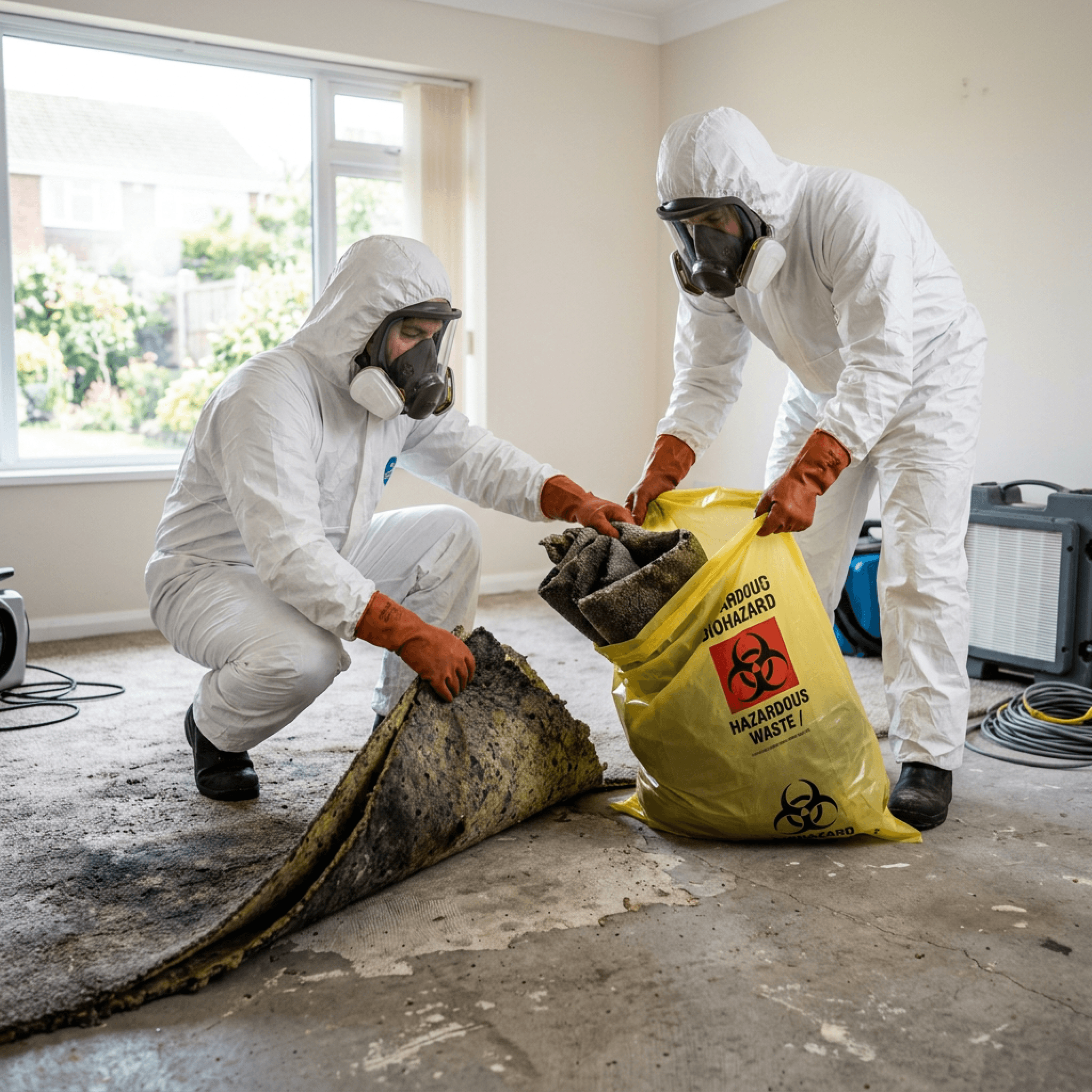
Material Removal
Blood-soaked carpet, padding, drywall, and upholstery are cut away and sealed in red biohazard bags.
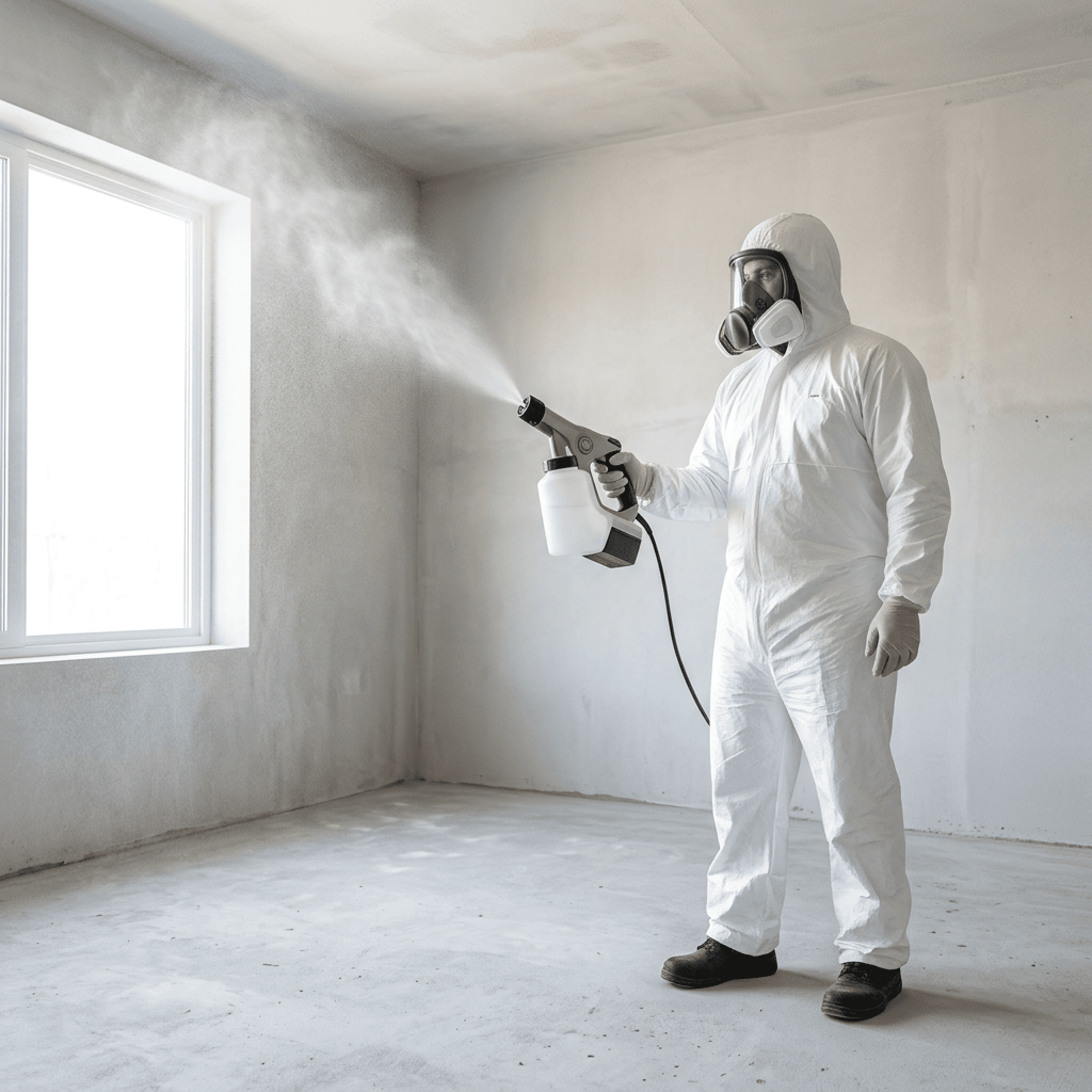
Surface Disinfection
Hard floors, walls, and fixtures get scrubbed with hospital-grade disinfectant and left to sit for the required dwell time.
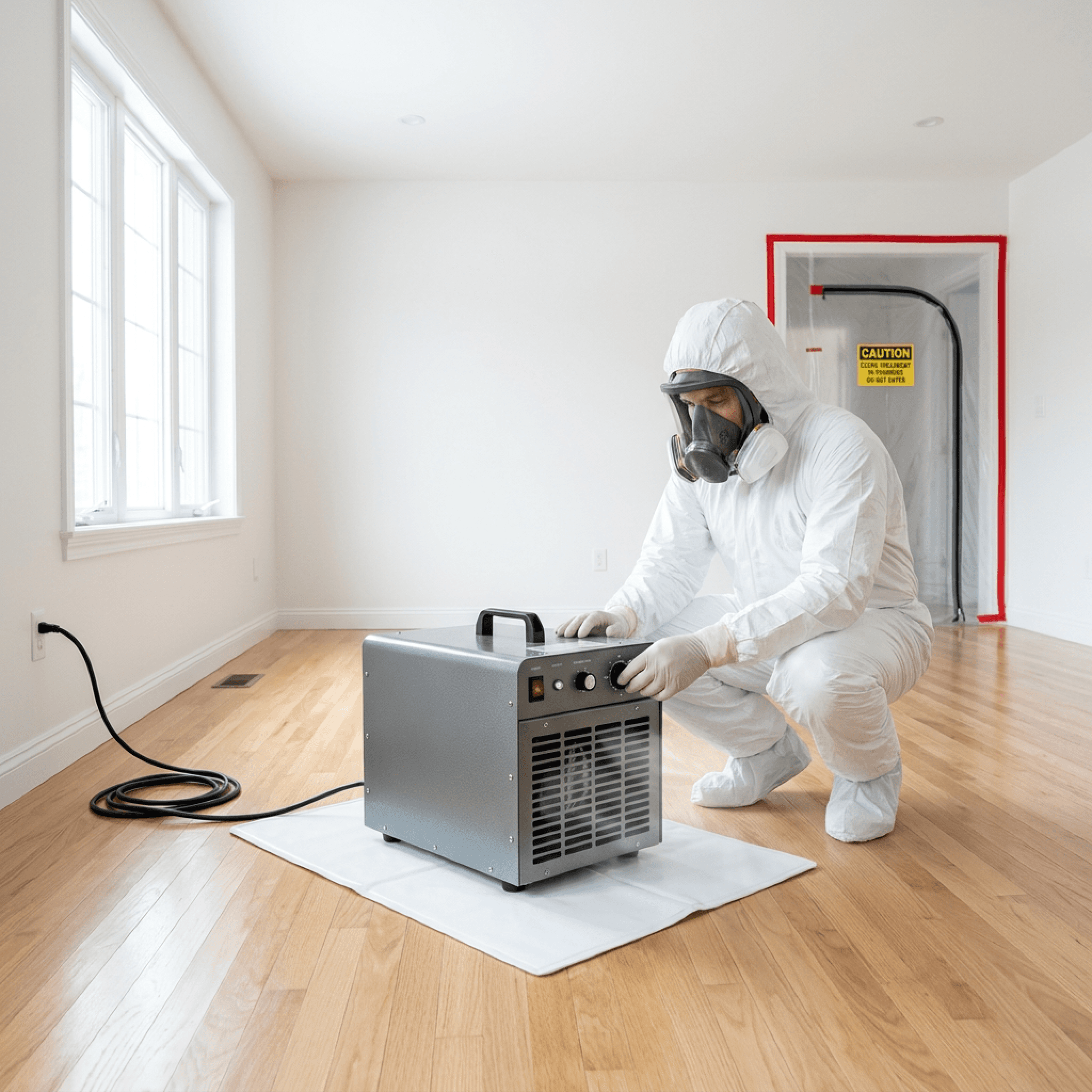
Air and Odor Treatment
HEPA filtration runs until airborne particles clear, and an ozone or hydroxyl machine handles any lingering smell
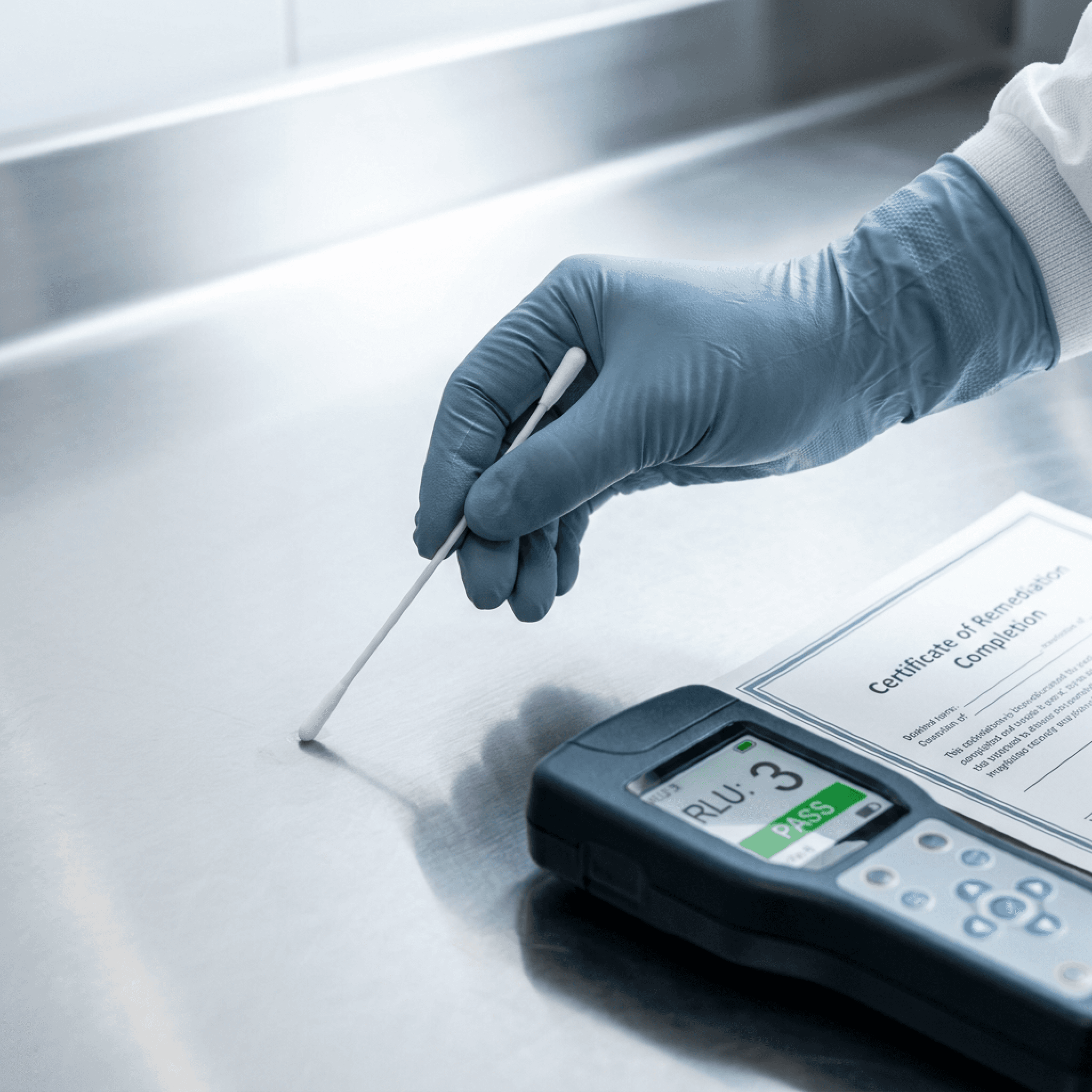
Final Check
Surfaces are swabbed and tested, photos are taken, and a signed report is handed to the property owner.
Sealing a Columbus Property, Treating It, Documenting Disposal
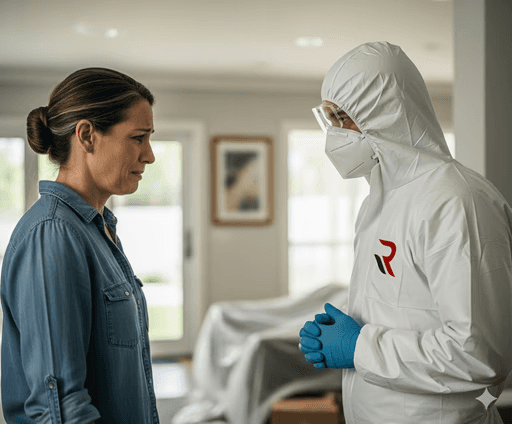
Containment is the first step. Entry happens after the crew is dressed in Tyvek, P100 respiration, doubled puncture-rated gloves, and sealed footwear, with HEPA filtration running and the work area sectioned off from the rest of the home. For Columbus apartments and base-adjacent housing, the containment extends into shared ventilation paths between units.
Surfaces are treated with hospital-grade, EPA-registered chemistry carrying validation against HIV, hepatitis B, hepatitis C, and MRSA, and the contact time the manufacturer specifies is honored in full on every pass. For Columbus properties where Southern humidity has allowed mold growth alongside the biological contamination, antifungal chemistry runs through the protocol. Soft materials that took on contamination are cut out and bagged for medical waste transport, then moved under documented chain of custody to a licensed disposal site. ATP testing wraps up the verification step, and the property owner receives the clearance file at closeout.
OSHA
Certified
24/7
Response
99.9%
Cleanup Success Rate