General cleaning crews
Standard Cleaning
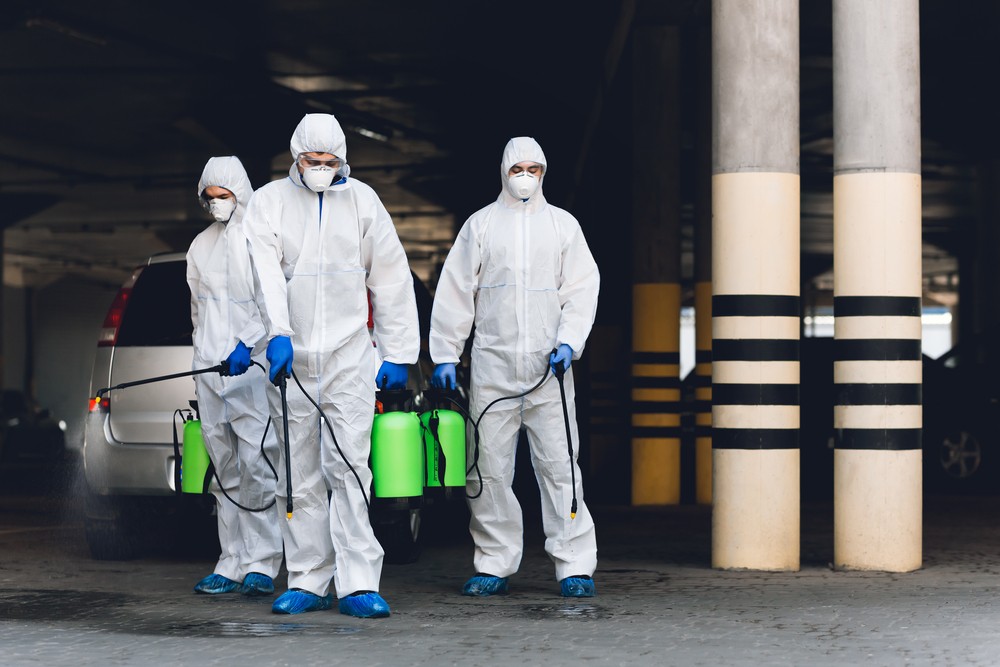
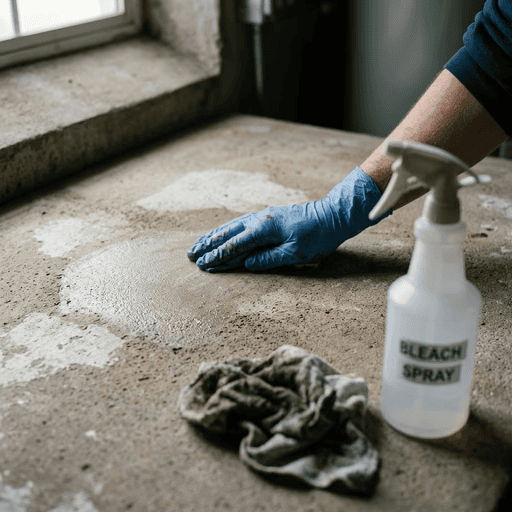
Standard cleaning only treats visible surfaces, leaving hidden pathogens and odors trapped deep within.
Remnant
Full Decontamination
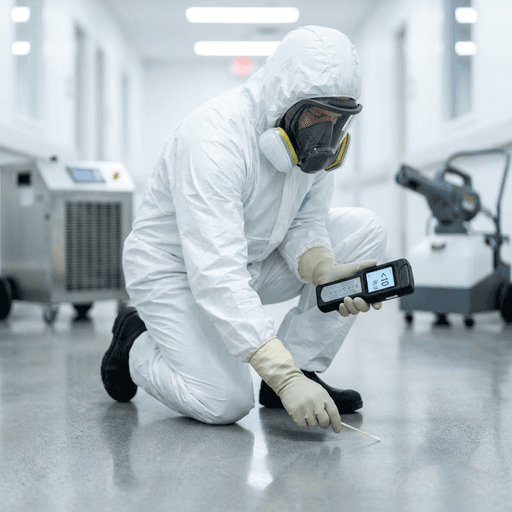
We eliminate biohazards at the molecular level, using advanced ATP testing to guarantee 100% decontamination.
From Glendale to Burbank, Pasadena, La Cañada Flintridge, La Crescenta-Montrose, and Eagle Rock, a technician is never far from the call.
Why a Biohazard Scene in a Glendale Building Cannot Wait
In a city as dense as Glendale, where multi-unit residential buildings make up a substantial share of the housing stock, a biohazard situation has more pathways to spread than it would in a less dense environment. Shared ventilation, adjoining walls, common hallways, and elevator banks all give contamination places to travel before containment is established. That is part of why response speed is the most consistent variable in how a Glendale biohazard cleanup ends up scoping out.
The biological reality is the same regardless of the building type. MRSA, C. diff, hepatitis, and norovirus stay viable on hard surfaces for days, and the timeline between the original event and professional response determines how much of the affected materials end up needing to come out. In multi-unit buildings, it also determines whether neighboring units stay separate from the situation or get drawn into it.
Our Step-by-Step Biohazard Cleanup Process
Site Walkthrough
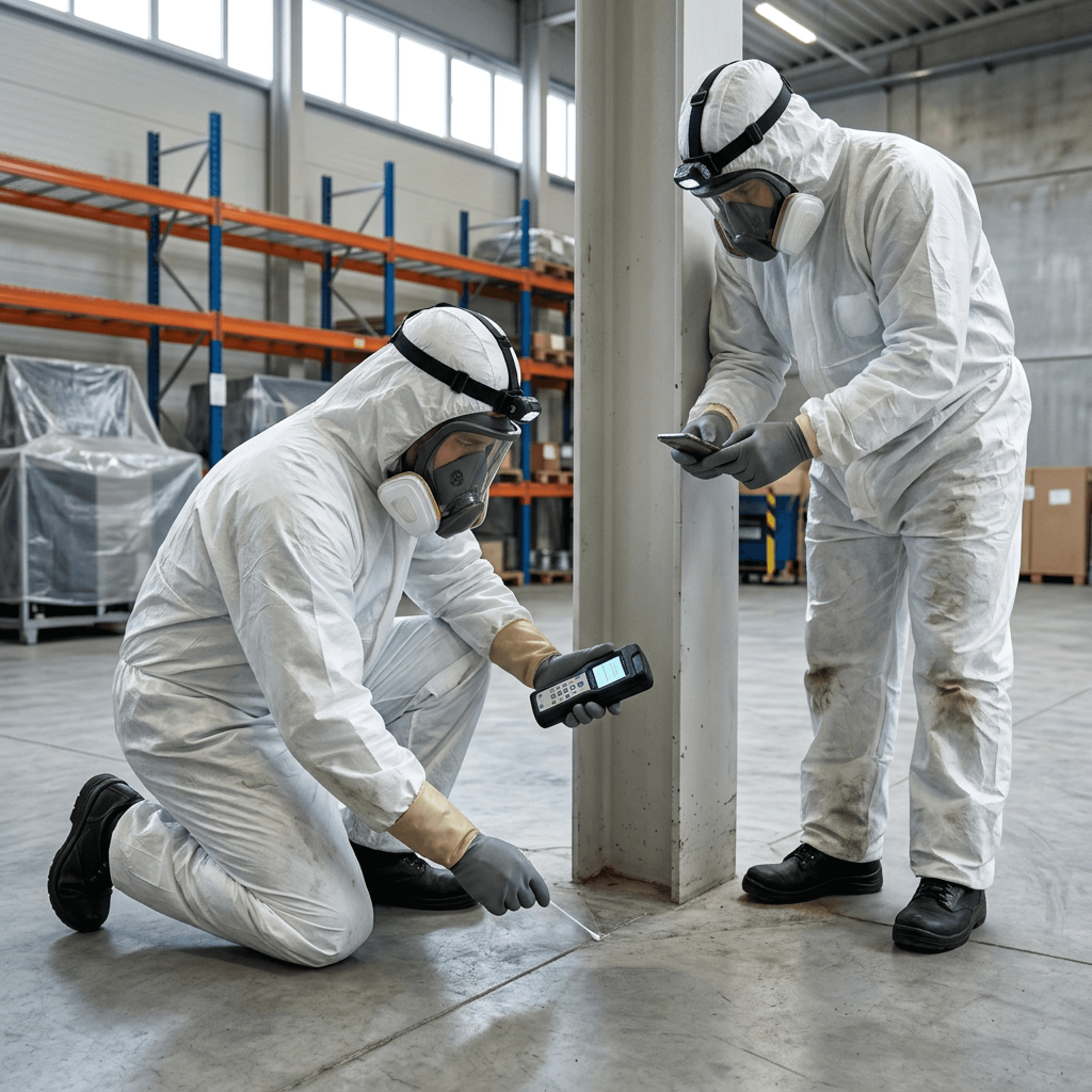
Before any cleaning starts, a technician walks the property, traces the contamination back to its source, and flags every area at risk.
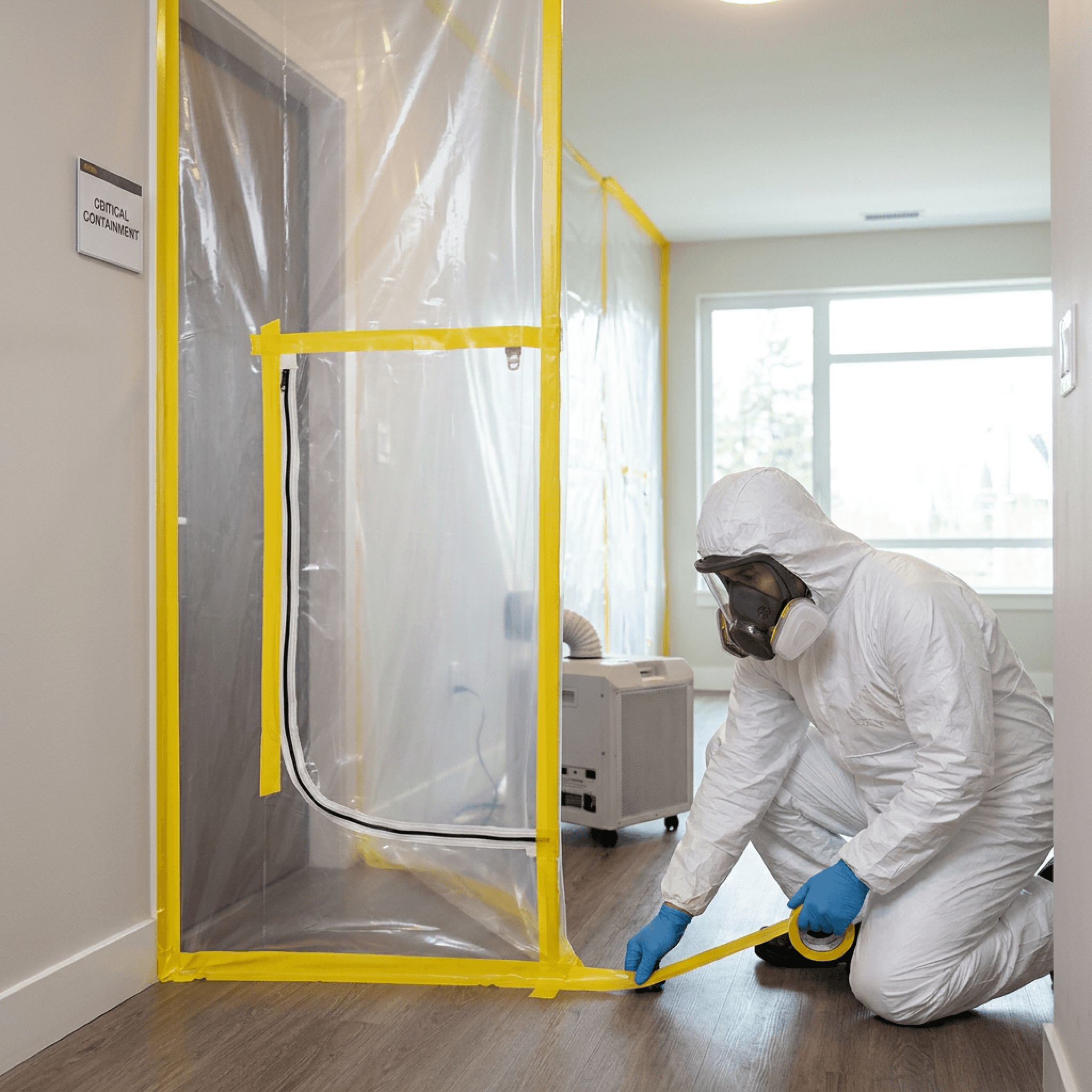
Area Seal-Off
Sheeting goes up around the affected space, and negative-pressure machines pull air inward so nothing leaks into clean parts of the home.
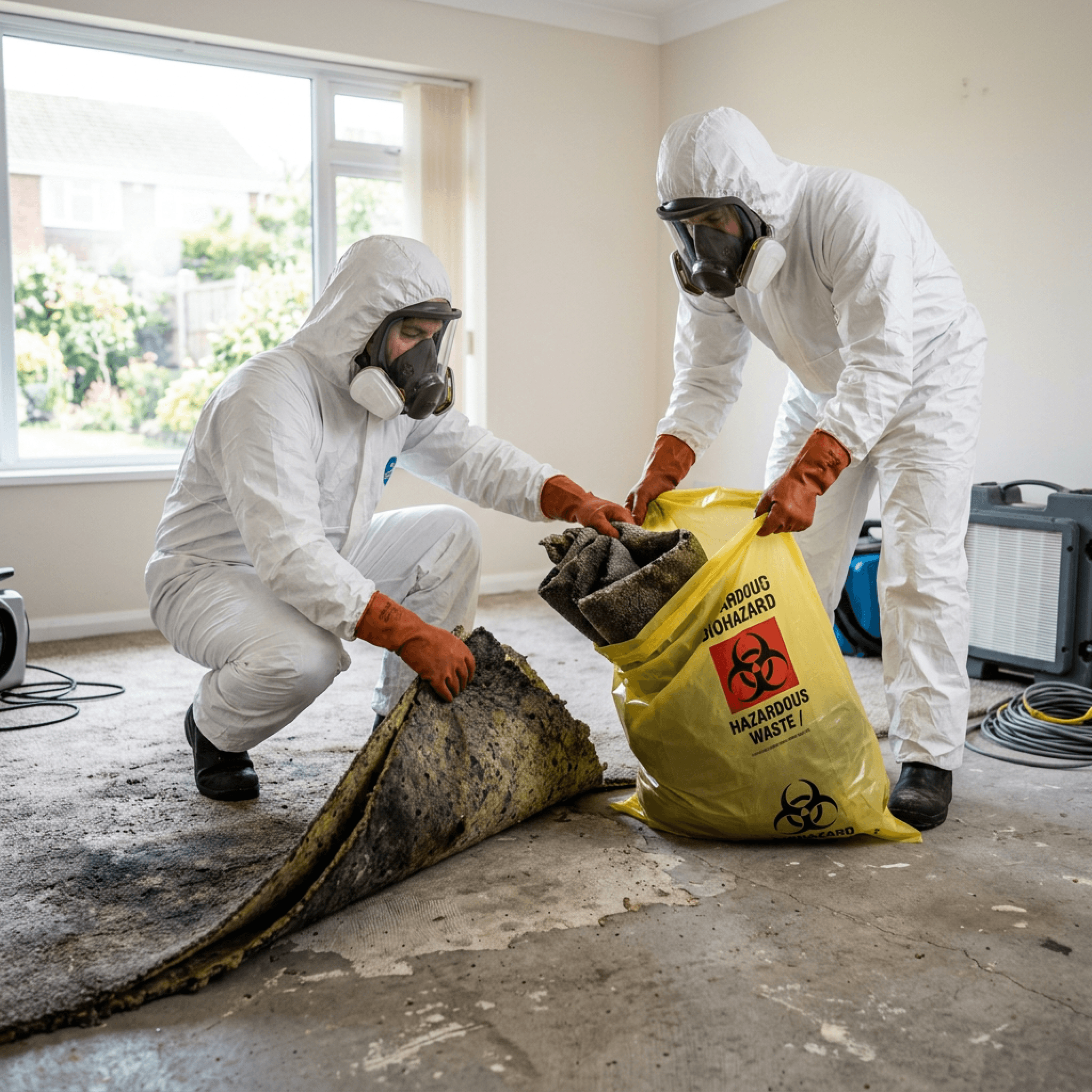
Material Removal
Anything that's absorbed contamination, drywall, insulation, padding, soft furnishings, leaves the property in sealed biohazard packaging.
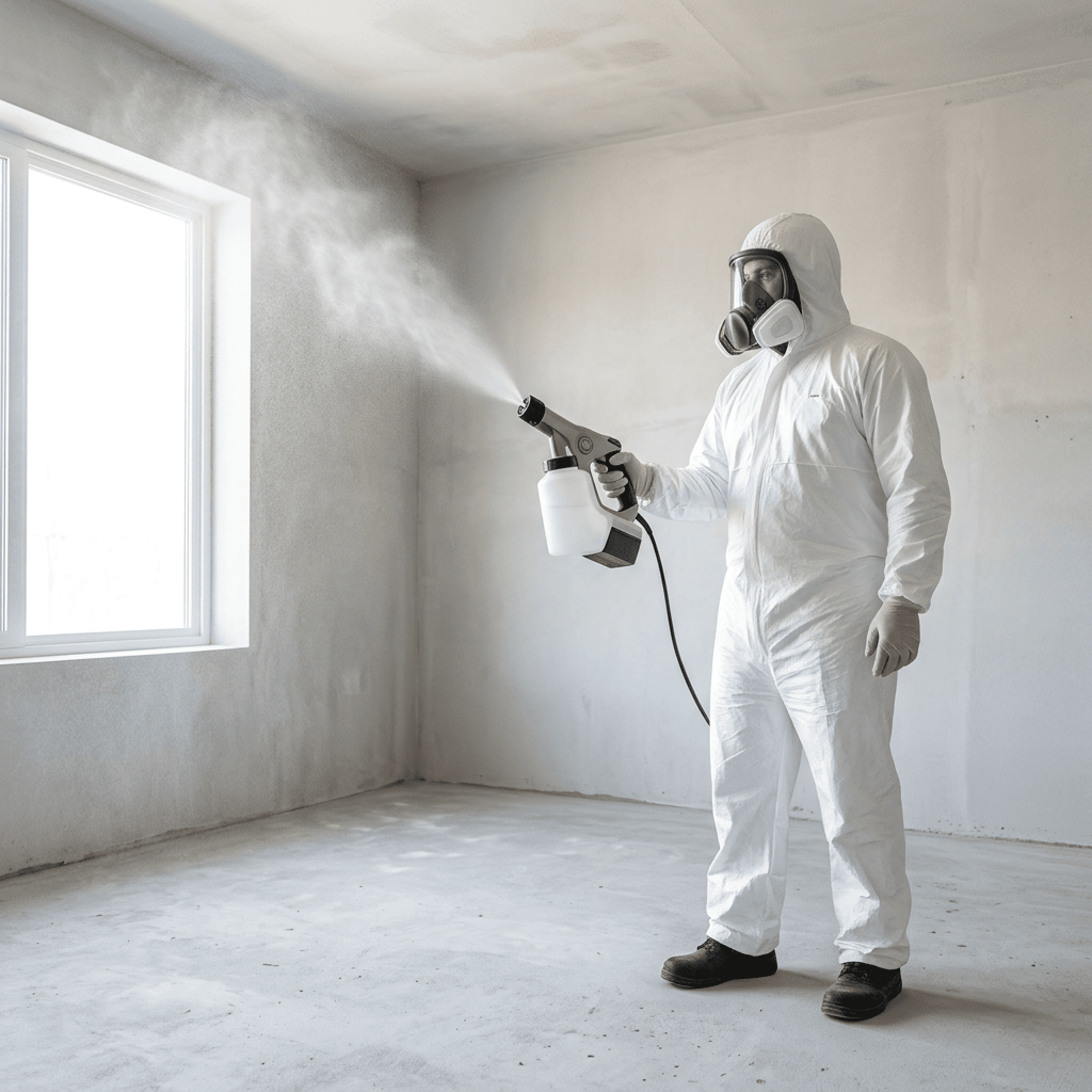
Surface Treatment
Each disinfectant is matched to the pathogen at hand, applied generously, and given time to do what a regular cleaner can't.
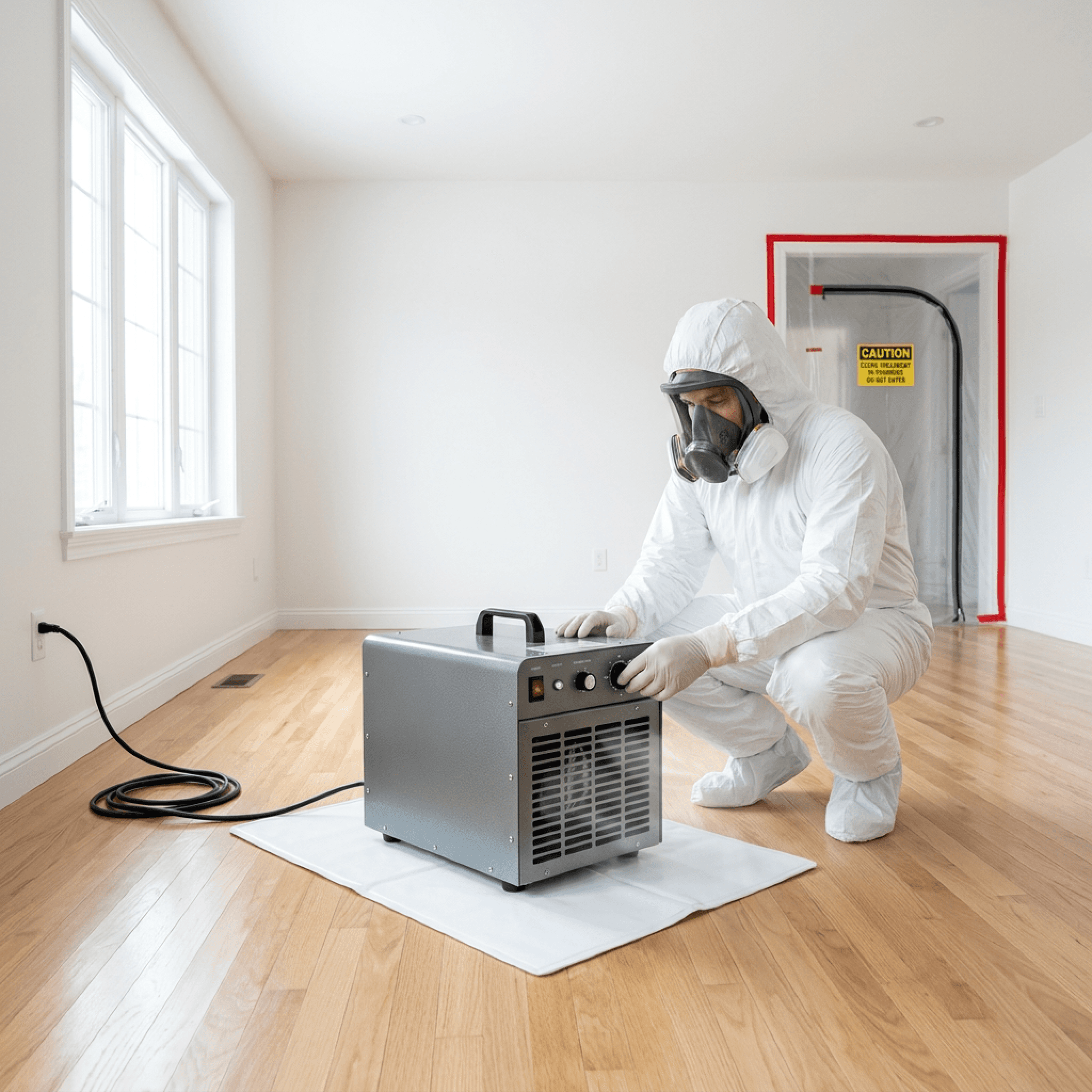
Air and Odor Cleanup
Once surfaces are handled, HEPA scrubbers clear the air while ozone or hydroxyl machines work on smells that hide in fabric and wood.
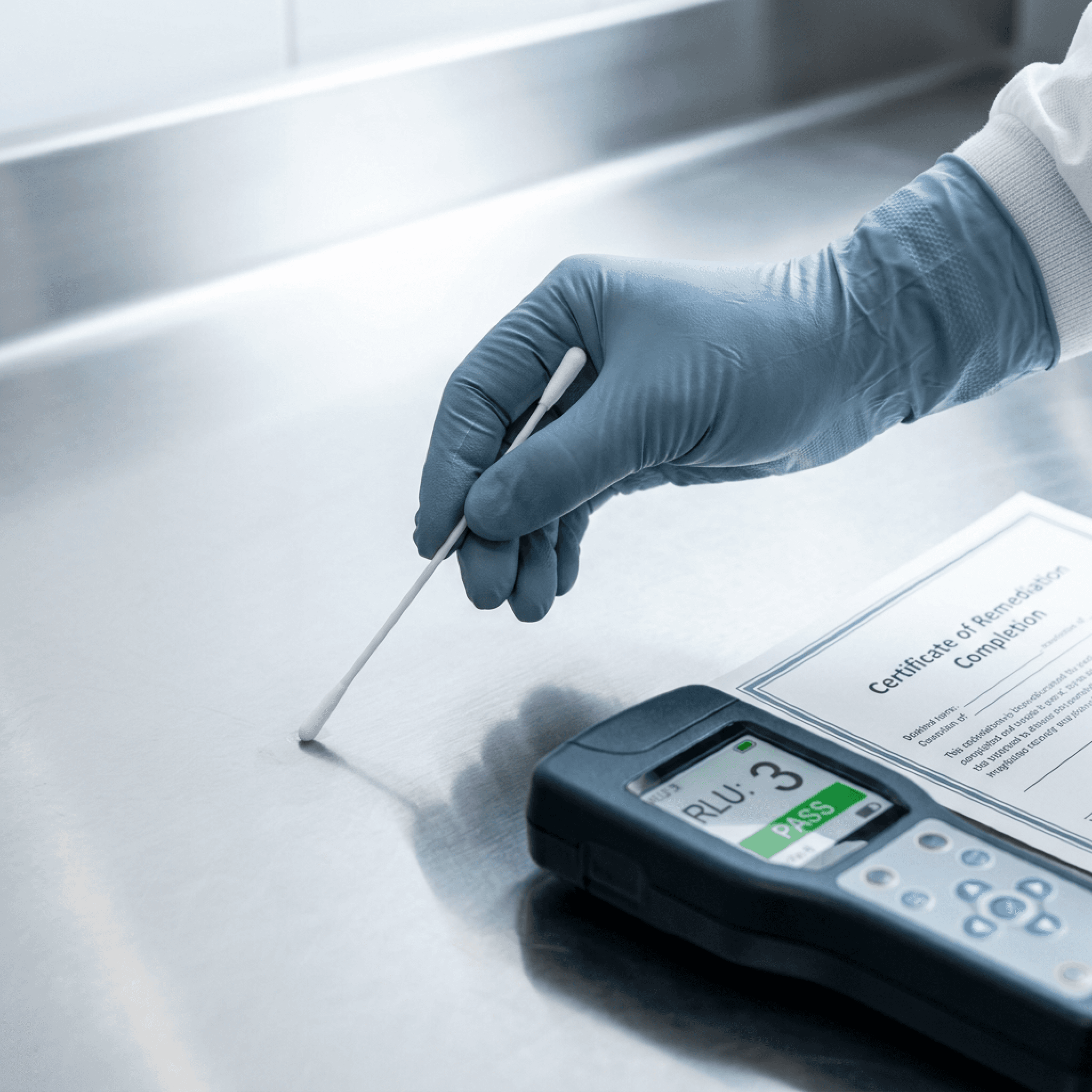
Final Test and Report
The job closes with a clearance swab and a written report, giving the property owner proof the space is safe to use again.
The Cleaning and Verification Sequence on a Glendale Biohazard Scene
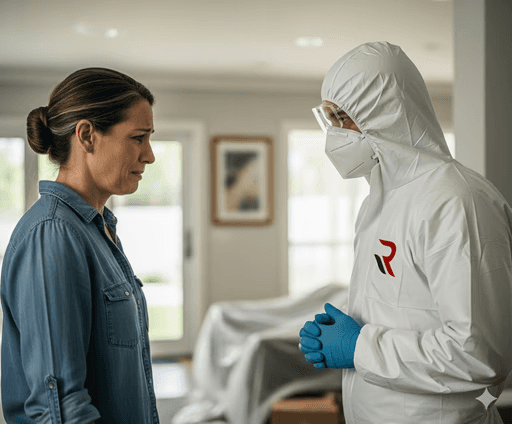
The protective gear our crews wear into a Glendale biohazard scene is matched to what we are walking into. The standard setup runs Tyvek, P100 filtration, doubled nitrile, and taped footwear. When the scene involves advanced decomposition or confirmed infectious disease residue, the respiratory protection moves to full-face HEPA equipment. Containment goes up at the perimeter and HEPA air filtration is in operation before any surface inside the affected zone gets touched. For Glendale's mid-rise and apartment buildings, the containment plan also addresses shared ventilation paths between units.
Disinfectant selection has to match the specific pathogen on the scene. A product validated against bloodborne pathogens behaves differently than one validated against spore-forming organisms like C. diff. The manufacturer-specified contact window runs in full on every application, with no shortcuts. Once cleaning is complete, ATP bioluminescence testing measures the result at the cellular level, and the written clearance result is in the property owner's hands before the crew leaves.
OSHA
Certified
24/7
Response
99.9%
Cleanup Success Rate