General cleaning crews
Standard Cleaning
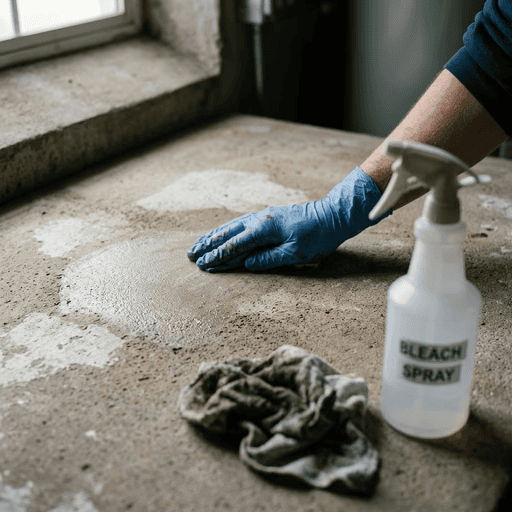
Standard cleaning only treats visible surfaces, leaving hidden pathogens and odors trapped deep within.
Remnant
Full Decontamination
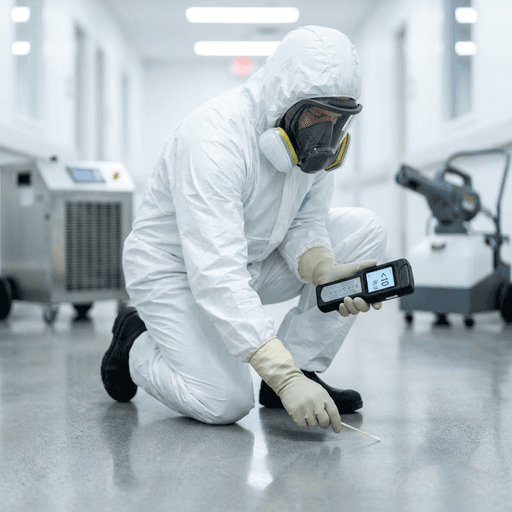
We eliminate biohazards at the molecular level, using advanced ATP testing to guarantee 100% decontamination.
From Denver to Aurora, Lakewood, Arvada, Westminster, and Centennial, a technician is never far from the call.
Why a Biohazard Scene in Denver Cannot Be Left Untouched
A biohazard situation at a Denver property creates a containment problem that grows with every hour the response is delayed. Biological material absorbs deeper into porous building materials. Pathogens like MRSA, C. diff, hepatitis, and norovirus stay viable on hard surfaces for days. In Denver's older Victorian and Queen Anne housing stock, the original lath-and-plaster and hardwood construction holds biological material in ways that newer builds do not, which often means a more involved treatment sequence to clear.
Denver's high-altitude dry climate adds its own factors. The lower ambient humidity desiccates exposed biological material relatively quickly, but the same dry air concentrates particulate residue in HVAC filters and registers throughout the property, extending the contamination footprint past what is visible at the source. For multi-unit construction across RiNo, LoDo, and the Cherry Creek corridor, shared ventilation paths between units multiply the pathways the contamination can take before containment is established. Faster response keeps the scope manageable.
Our Step-by-Step Biohazard Cleanup Process
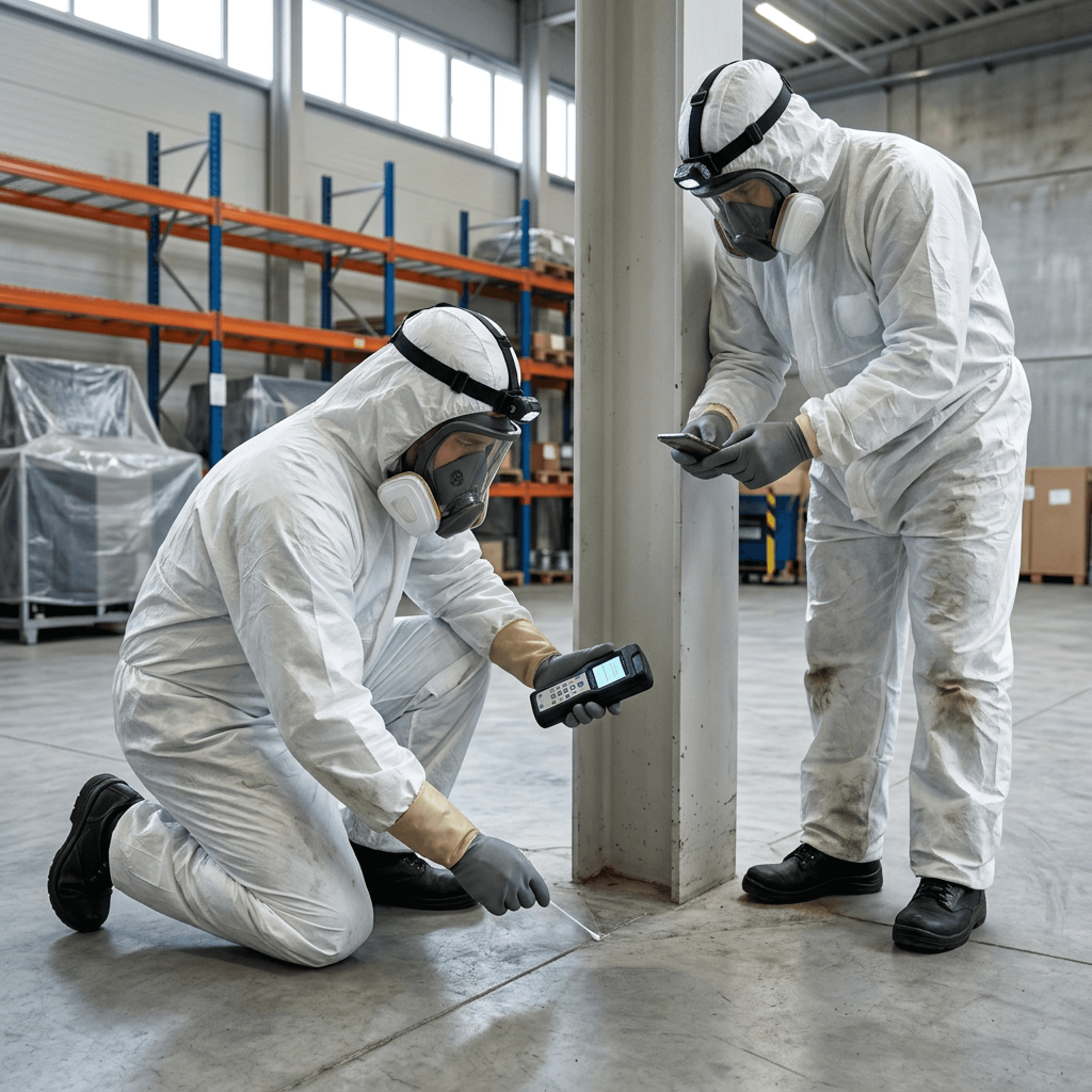
Site Walkthrough
Before any cleaning starts, a technician walks the property, traces the contamination back to its source, and flags every area at risk.
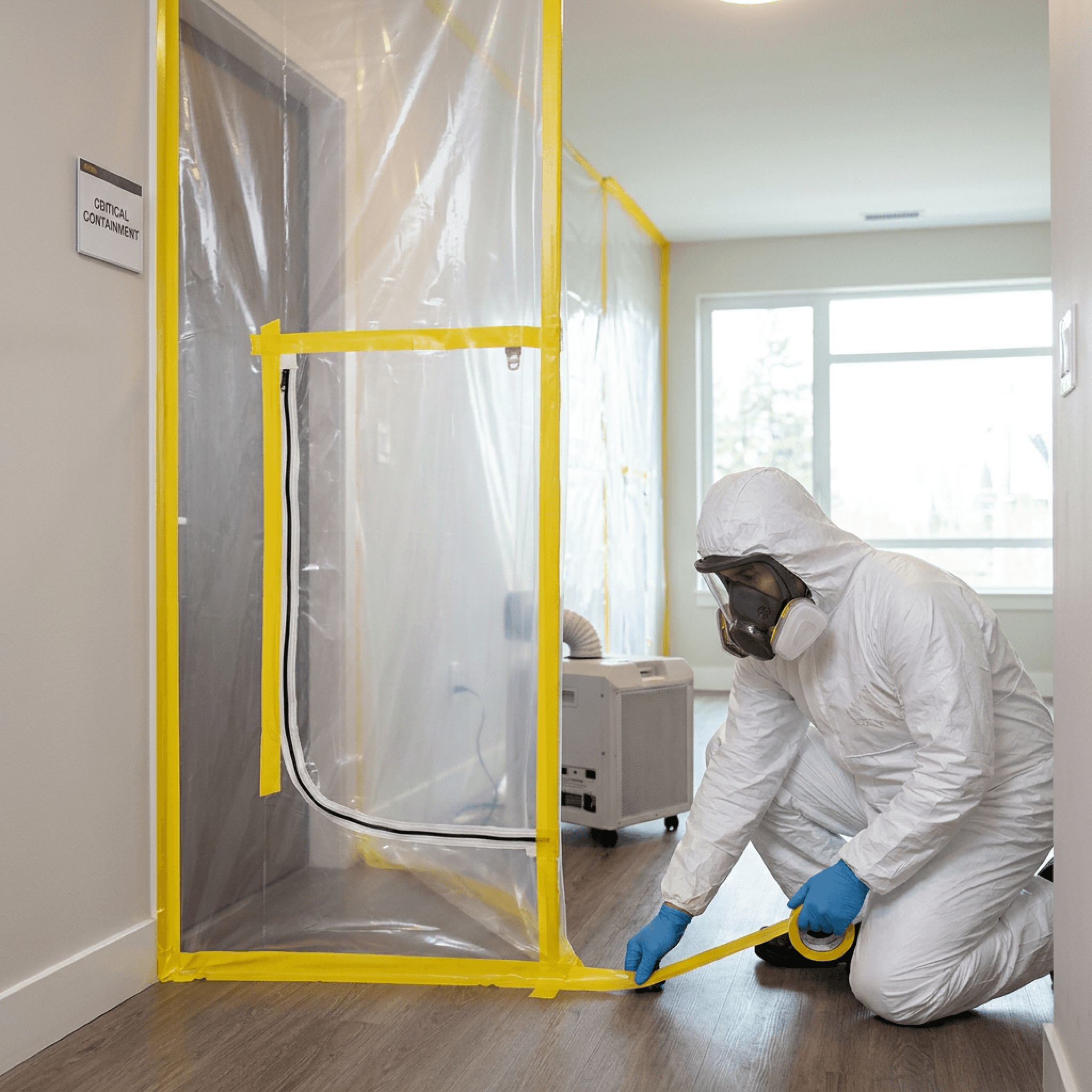
Area Seal-Off
Sheeting goes up around the affected space, and negative-pressure machines pull air inward so nothing leaks into clean parts of the home.
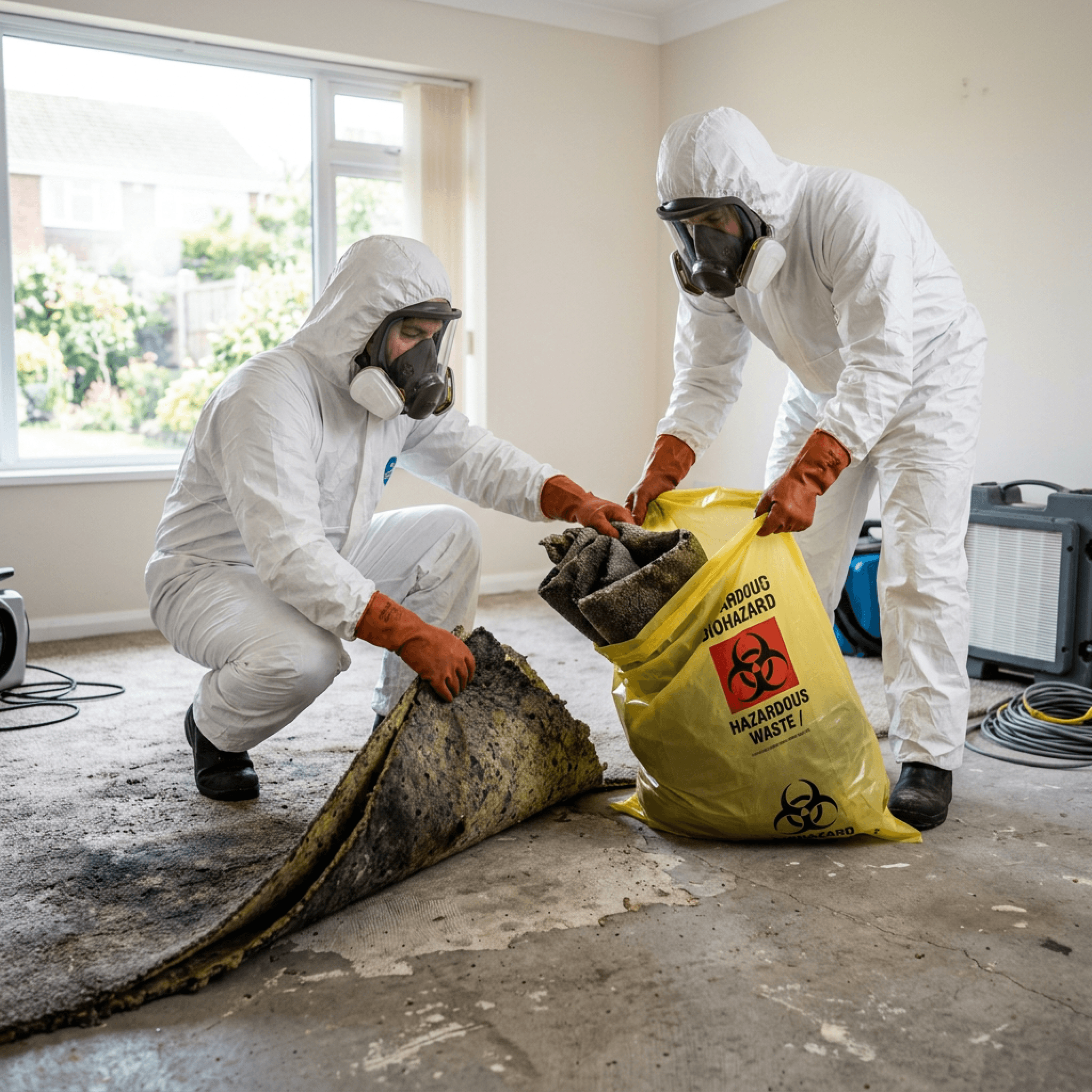
Material Removal
Anything that's absorbed contamination, drywall, insulation, padding, soft furnishings, leaves the property in sealed biohazard packaging.
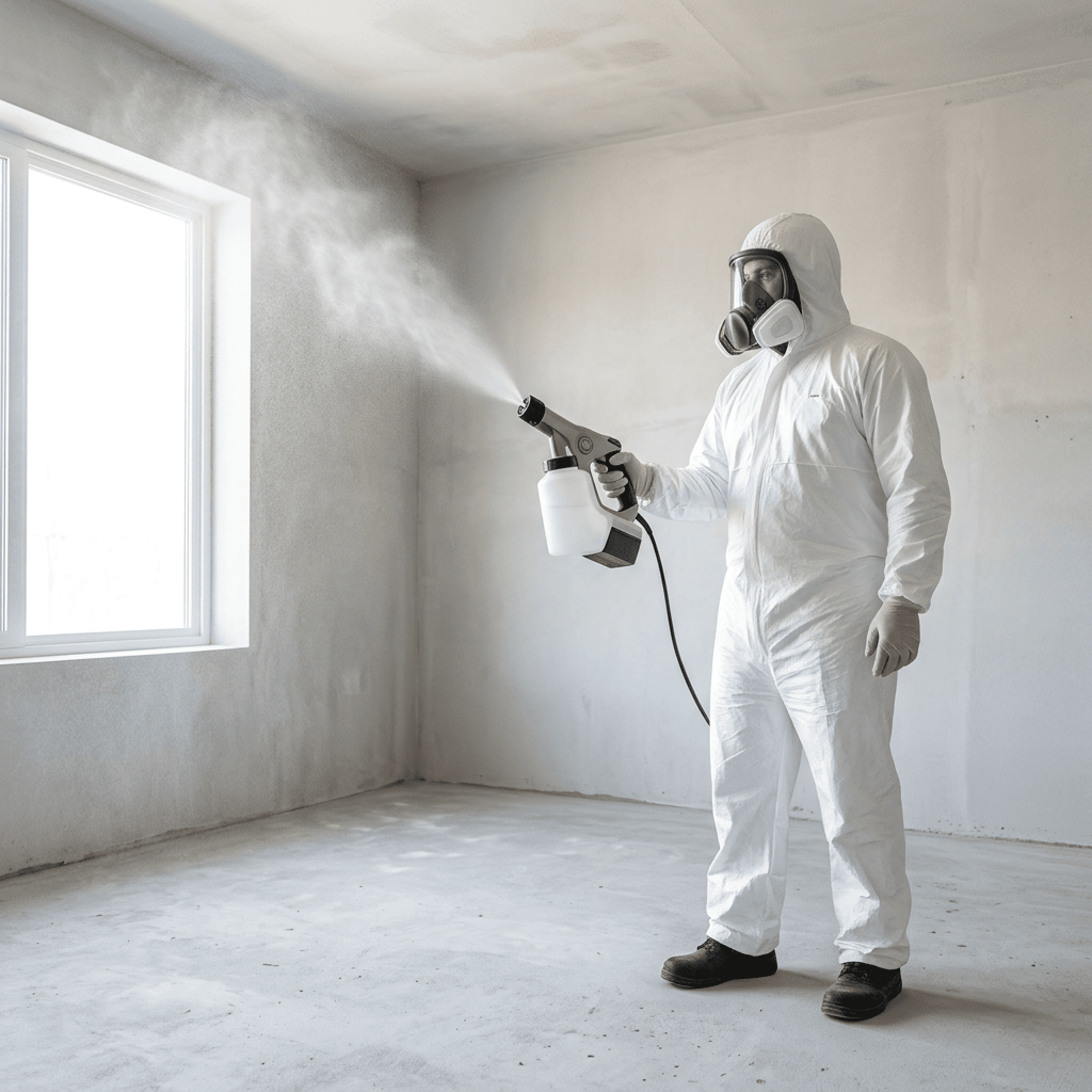
Surface Treatment
Each disinfectant is matched to the pathogen at hand, applied generously, and given time to do what a regular cleaner can't.
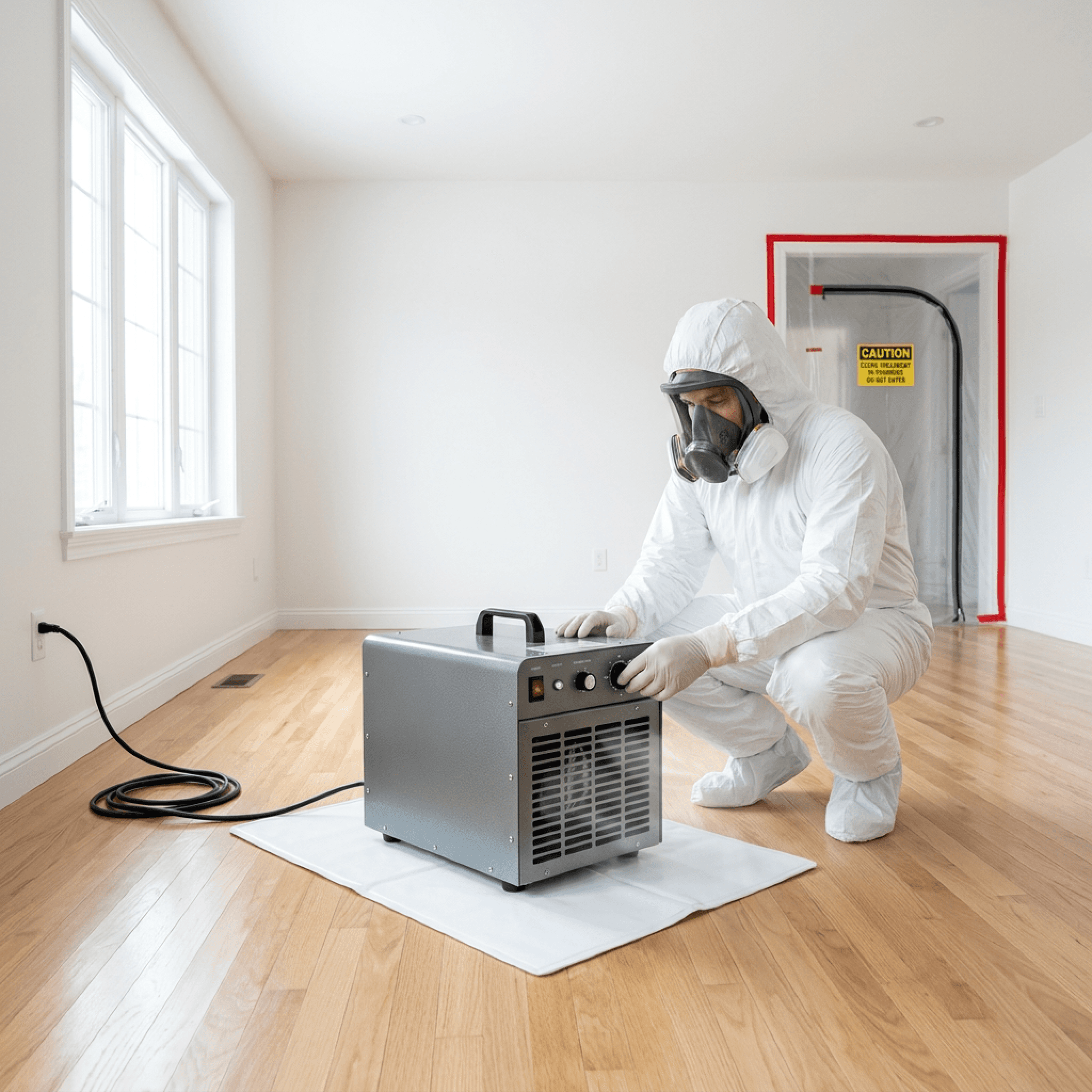
Air and Odor Cleanup
Once surfaces are handled, HEPA scrubbers clear the air while ozone or hydroxyl machines work on smells that hide in fabric and wood.
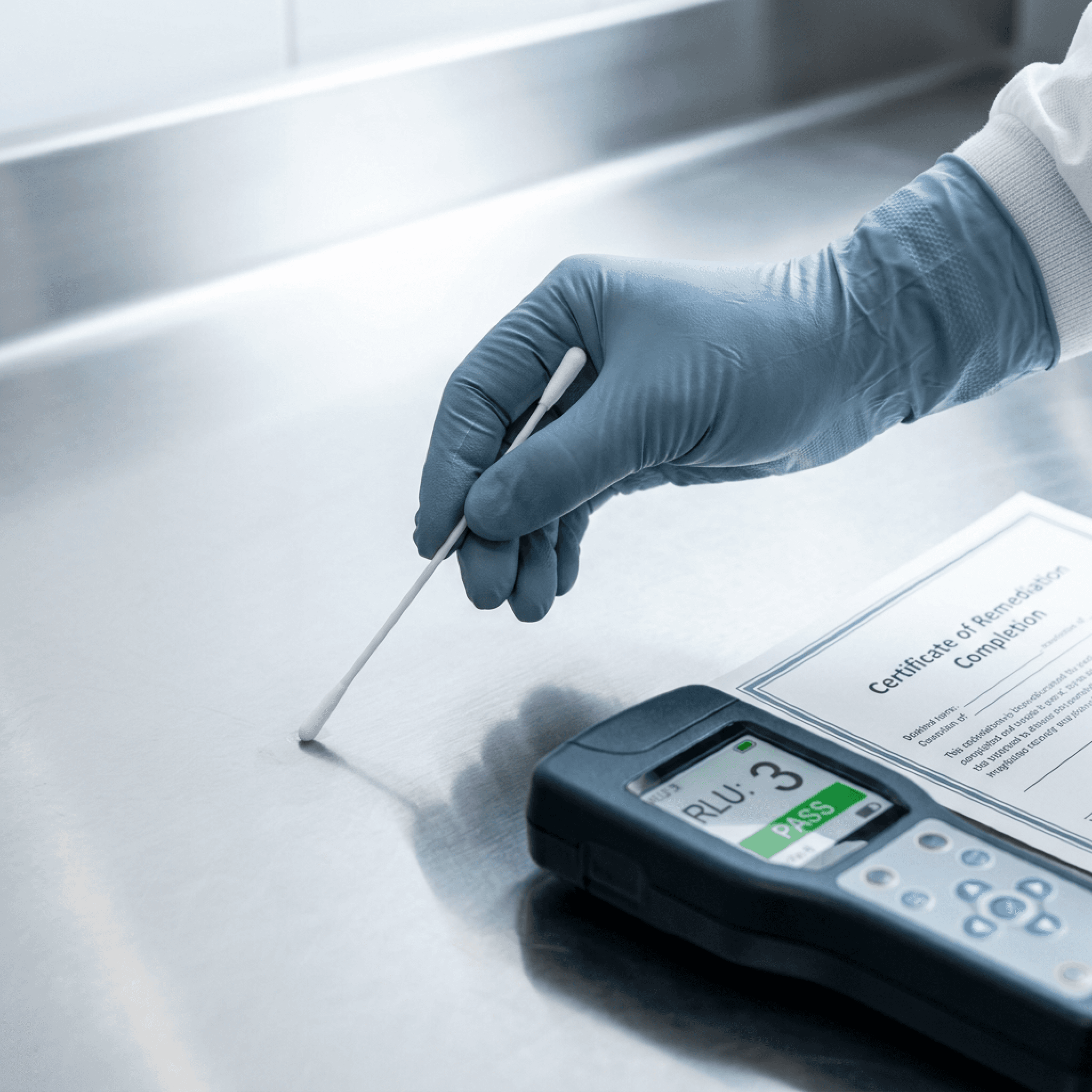
Final Test and Report
The job closes with a clearance swab and a written report, giving the property owner proof the space is safe to use again.
The Biohazard Cleaning and Verification Sequence in Denver
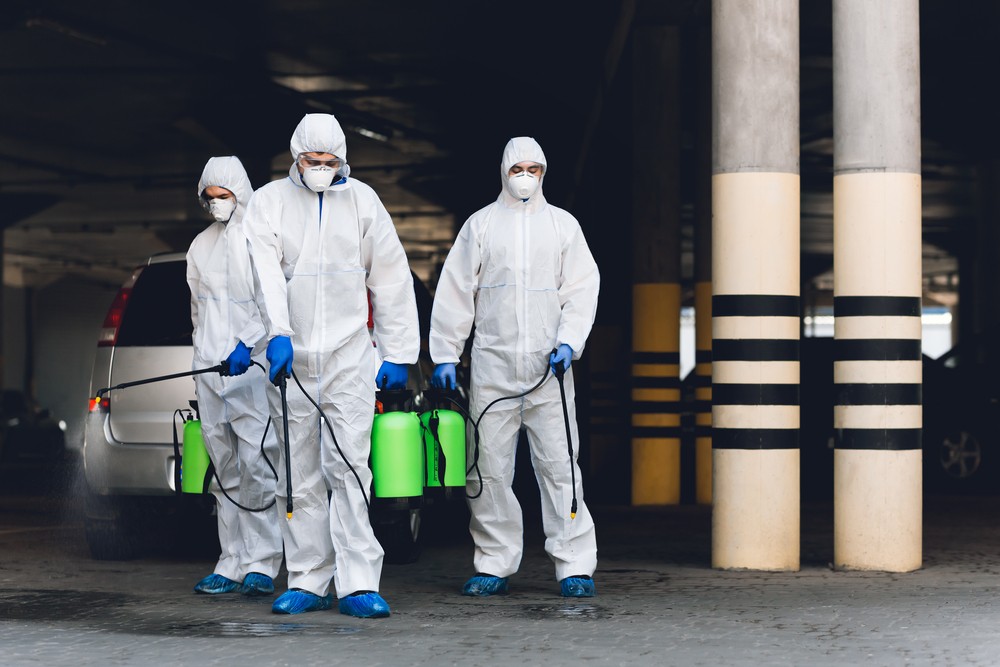
The protective baseline our crews wear into a Denver biohazard scene is body-sealing Tyvek, P100 respiration, doubled nitrile, and taped boot covers. For scenes involving advanced decomposition or confirmed infectious-disease residue, full-face HEPA respiration replaces the half-mask. HEPA filtration runs at the containment perimeter, and in Denver's high-density apartment and condominium stock across RiNo, LoDo, and Cherry Creek, the containment also takes shared ventilation paths between units into account.
Cleaning chemistry is matched to the specific pathogen present, with manufacturer-specified contact times observed in full on every application. ATP bioluminescence testing closes the cleaning phase by measuring organic residue at the cellular level, well below what the eye can register, and the property owner gets the written clearance documentation in hand before the crew packs out.
OSHA
Certified
24/7
Response
99.9%
Cleanup Success Rate