
The Remnant Difference
Steri-clean Company
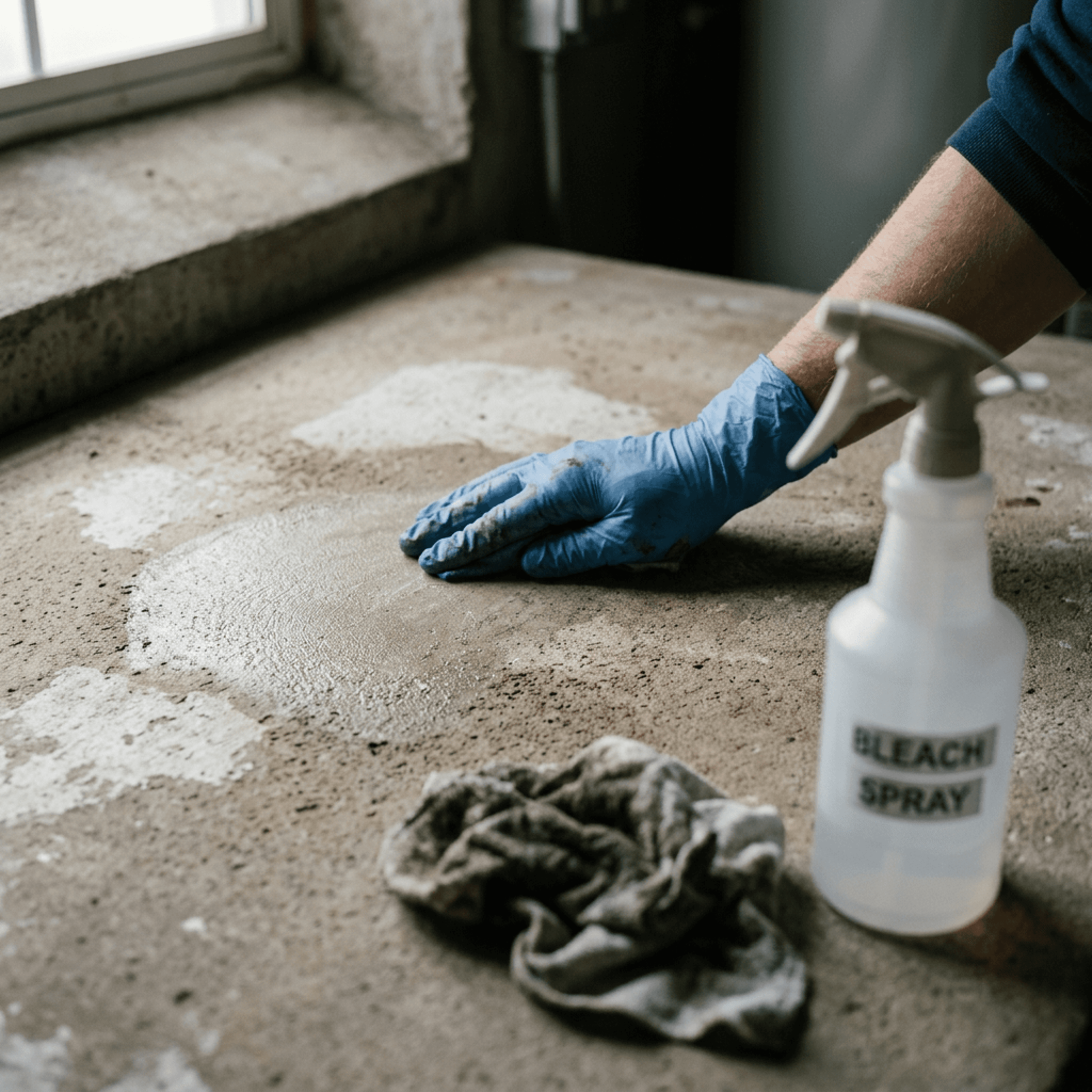
Superficial Sanitization
Standard cleaning only treats visible surfaces, leaving hidden pathogens and odors trapped deep within.
Remnant
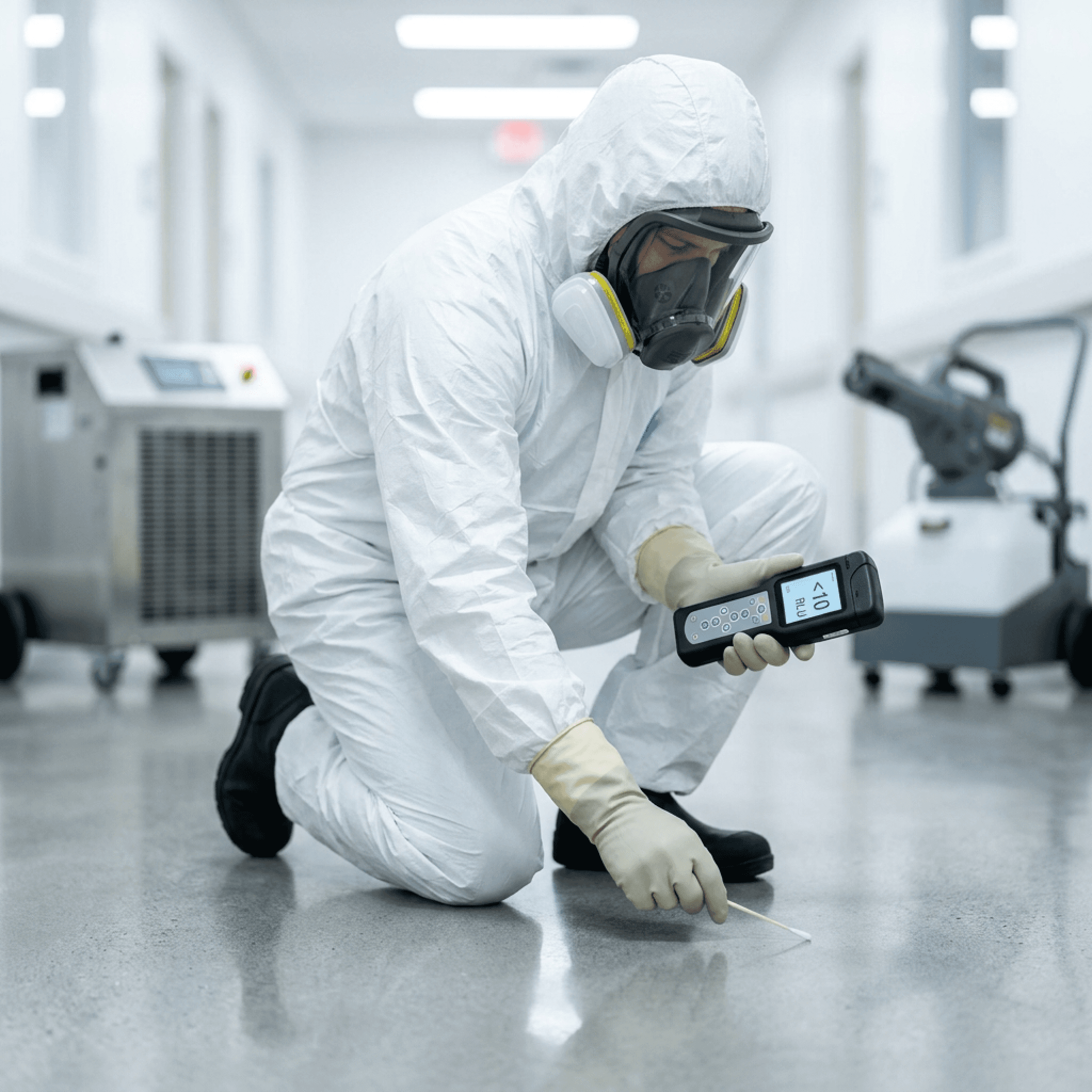
Deep-Level Decontamination
We eliminate biohazards at the molecular level, using advanced ATP testing to guarantee 100% decontamination.
We serve Columbus, GA and the nearby areas, including Midtown, North Columbus, South Columbus, and the Downtown district.
Essential Biohazard Cleanup Services in Columbus, GA
In Columbus, GA, biohazard incidents can arise from various situations, including industrial accidents, crime scenes, or even natural disasters like flooding. These events can leave behind hazardous materials that pose significant health risks to residents and businesses alike. As a local biohazard remediation company, we understand the unique challenges posed by the humid subtropical climate of Columbus, which can exacerbate issues like mold growth and additional contaminants. With notable landmarks such as the Chattahoochee Riverwalk and the National Infantry Museum nearby, it’s crucial to ensure that both residential and commercial properties are safe and free from biohazard threats.
Moreover, Columbus has experienced its share of crime, with certain neighborhoods reporting higher rates of violent incidents. In such areas, timely and professional biohazard cleanup is vital to restoring safety and peace of mind for property owners and tenants. Our team is equipped to handle a range of biohazard situations, offering swift, respectful, and thorough cleanup services that comply with local regulations. By addressing these risks head-on, we help to safeguard the well-being of the Columbus community and ensure that properties remain safe for both residents and visitors alike.
Our Biohazard Cleanup Process
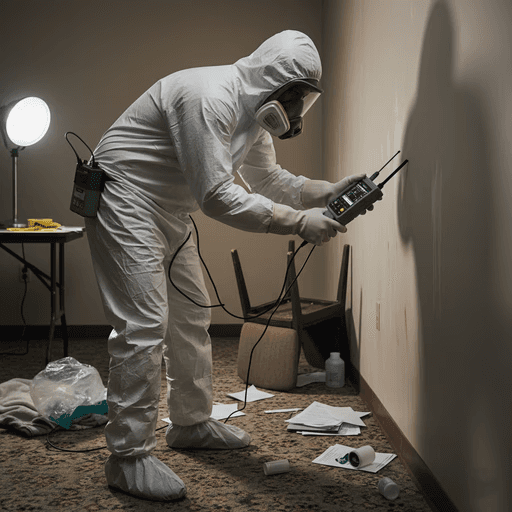
Site Inspection & Testing
Identify contamination hotspots with specialized equipment
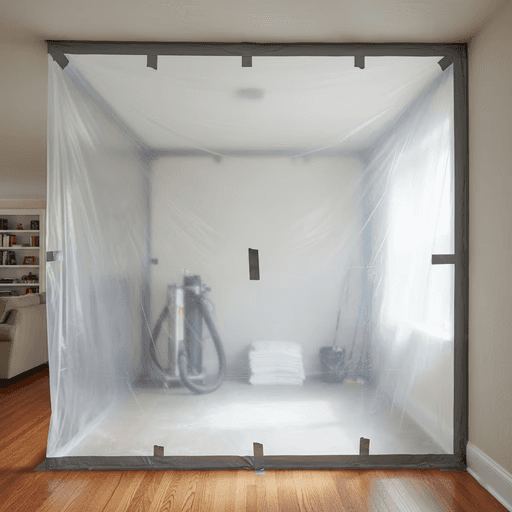
Containment
Isolate affected zones to prevent airborne spread
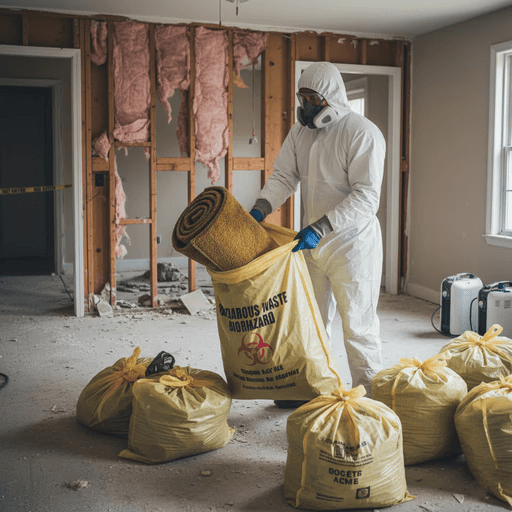
Contaminant Removal
Dispose of carpets, pad, flooring, drywall, and insulation, as needed
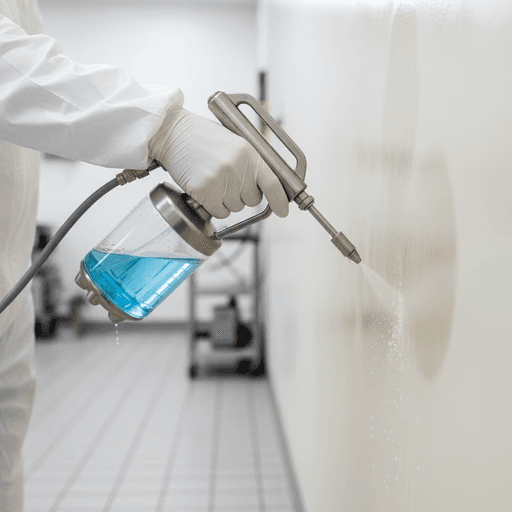
Surface Decontamination
Neutralize hazardous residues from all surfaces

Air & Odor Treatment
Use an ozone machine to remove lingering vapors and odors
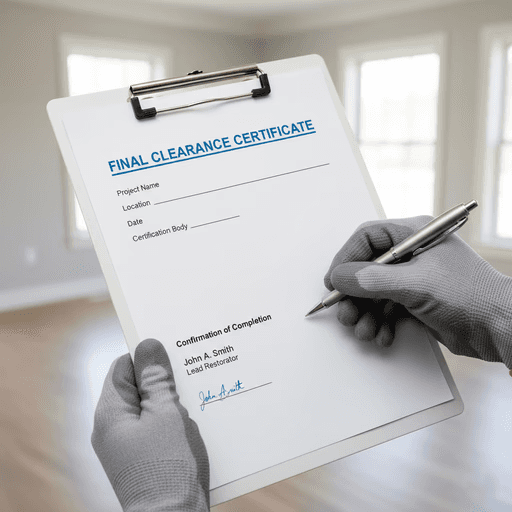
Final Clearance
Confirm remediation has been fully completed
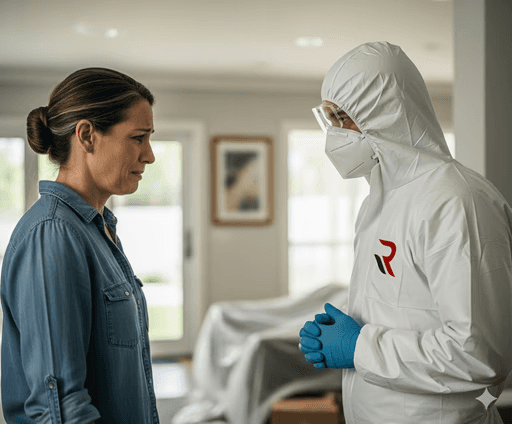
Who We Help in Columbus, GA
Families supporting loved ones struggling with hoarding
Landlords or property owners restoring unsafe units
Estate executors preparing homes for resale
Businesses clearing hoarded warehouses or storage spaces
Public agencies addressing unsafe living conditions
OSHA
Certified
24/7
Response
99.9%
Cleanup Success Rate
Still Have Questions?
What is crime scene cleanup?
Crime scene cleanup is a specialized service for restoring properties after traumatic events. Once law enforcement releases the scene, hazardous materials like blood and bodily fluids remain. Biohazard cleanup companies handle these risks, ensuring safe disposal and decontamination of hazardous materials.
What is biohazard cleanup?
Biohazard cleanup includes crime scene and trauma events, medical and accidental incidents, drug-related hazards, animal-related biohazards, and hoarding. Our expertly-trained cleanup technicians are stationed across the Pacific Northwest to rapidly remediate properties and vehicles impacted by biohazards.
What is unattended death and suicide cleanup?
Unattended death and suicide cleanup involves the professional removal of biohazards such as blood, bodily fluids, and other contaminants left behind after a traumatic event. These situations often carry serious health risks due to decomposition or exposure to pathogens, and require specialized cleaning, disinfection, and odor removal. Remnant handles these scenes with discretion, compassion, and care—restoring the space safely and thoroughly. Our team ensures the affected area is properly cleaned, sanitized, and ready for safe reentry.
What is blood cleanup?
Blood cleanup is the professional removal, disinfection, and proper disposal of blood and any materials it has contaminated. Because blood can carry harmful pathogens like HIV, Hepatitis B, and Hepatitis C, it’s classified as a biohazard and requires specialized training, protective equipment, and proper handling protocols.