Top Safety Protocols Followed in Crime Scene Cleanup
When a violent crime, accident, suicide, or traumatic event occurs, the aftermath is often overwhelming. Beyond the emotional impact, there are real health risks present in blood, bodily fluids, and other biohazards. This is why crime scene cleanup is handled by trained specialists who follow strict safety protocols to restore the space safely...
Category
Residential
Category
Residential
Category
Residential
Services
Crime Scene Cleanup
Services
Crime Scene Cleanup
Services
Crime Scene Cleanup
Year
2026
Year
2026
Year
2026
When a violent crime, accident, suicide, or traumatic event occurs, the aftermath is often overwhelming. Beyond the emotional impact, there are real health risks present in blood, bodily fluids, and other biohazards. This is why crime scene cleanup is handled by trained specialists who follow strict safety protocols to restore the space safely. Their goal is straightforward: to create a healthy environment and ensure there are no hidden dangers. Below is a clear breakdown of the top safety procedures followed in crime scene cleanup services.
Use of Full Personal Protective Equipment (PPE)
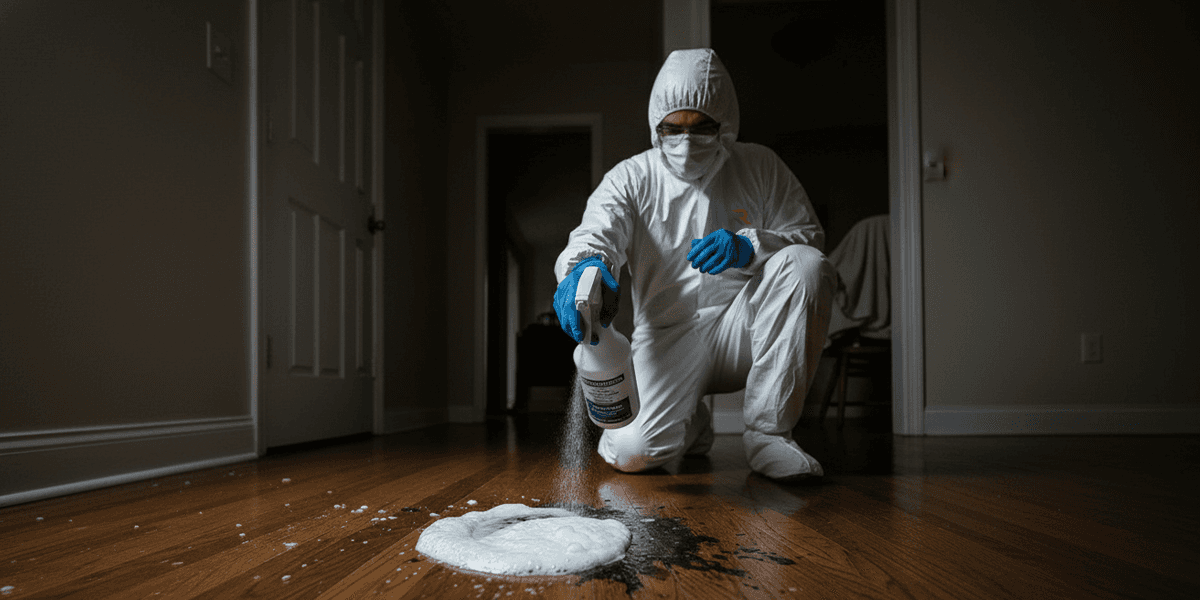
Every cleanup begins with technicians suiting up in full personal protective equipment. This is non-negotiable in any trauma crime scene cleanup situation. Teams typically wear professional-grade biohazard suits, respirators or full-face masks, heavy-duty gloves (often layered), and protective footwear. PPE prevents direct contact with bloodborne pathogens and airborne contaminants. In high-risk jobs, such as crime scene cleanup after an incident, PPE is the first and strongest line of defense.
Securing and Containing the Scene
Before cleaning begins, the area is isolated to prevent contamination from spreading. Cleanup teams secure the space by blocking off rooms, shutting down HVAC systems, and using plastic sheeting or containment barriers. This step is extremely important in apartments, businesses, or larger homes where contamination could spread into vents or shared areas. Securing the scene keeps biohazards confined and allows for a safe, controlled cleanup environment, especially in busy locations like crime scene cleanup Dallas, crime scene cleanup in Fort Worth, or crime scene cleanup Seattle.
Using Hospital-Grade and EPA-Approved Disinfectants
Regular household cleaners don’t work in biohazard environments. Professional teams use hospital-grade, EPA-registered disinfectants specifically designed to eliminate bloodborne pathogens. These chemicals are effective against viruses, bacteria, and other infectious microorganisms commonly found at trauma scenes. Whether it’s biohazard crime scene cleanup or crime and trauma scene cleanup, the disinfectants used are the same ones trusted by medical and forensic environments. This ensures the property is sanitized far beyond surface-level cleaning.
Safe Removal and Disposal of Biohazardous Waste
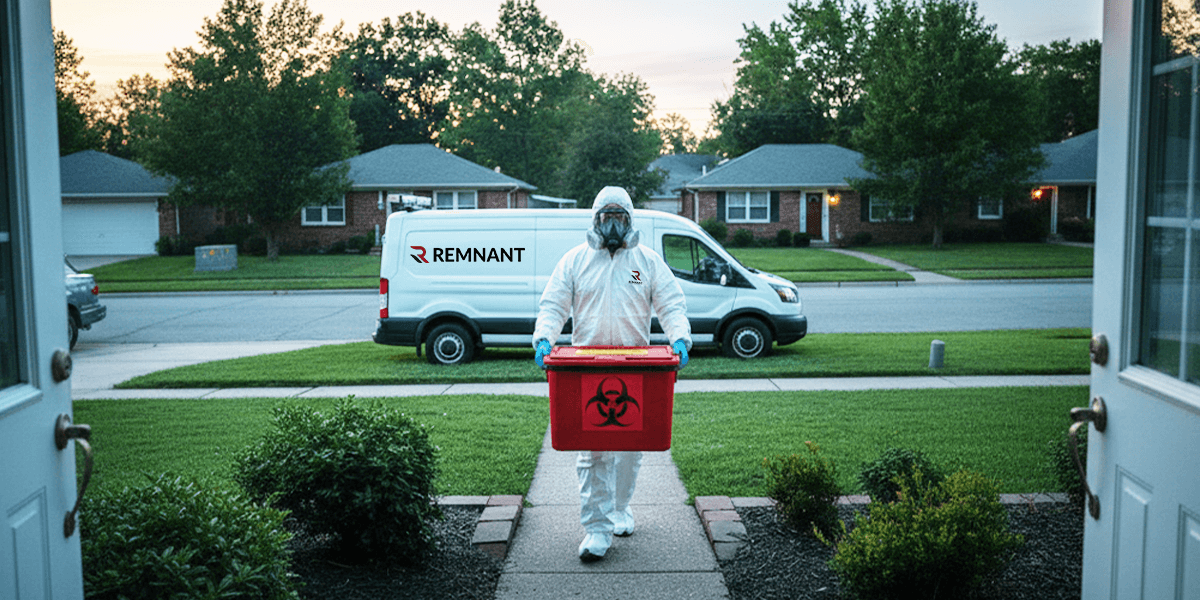
Anything contaminated, such as furniture, carpet, clothing, flooring, drywall, and even small personal items, must be removed and disposed of in accordance with strict laws. This material can’t go into regular trash bins. Biohazard waste is collected in leak-proof containers or red biohazard bags and transported to licensed medical waste facilities. This is a legal requirement in every U.S. state, including high-demand regions such as Atlanta and Fort Worth, where crime scene cleanup is in high demand. Following proper disposal protocols prevents environmental contamination and protects the public from infectious waste.
Deep Cleaning, Sanitization, and Odor Removal
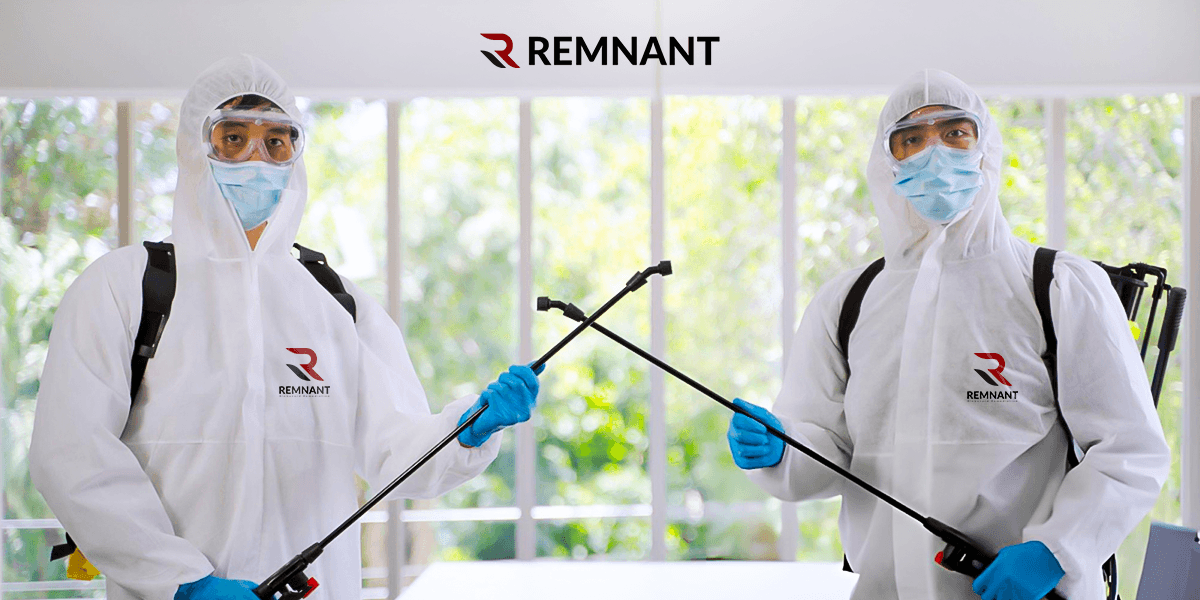
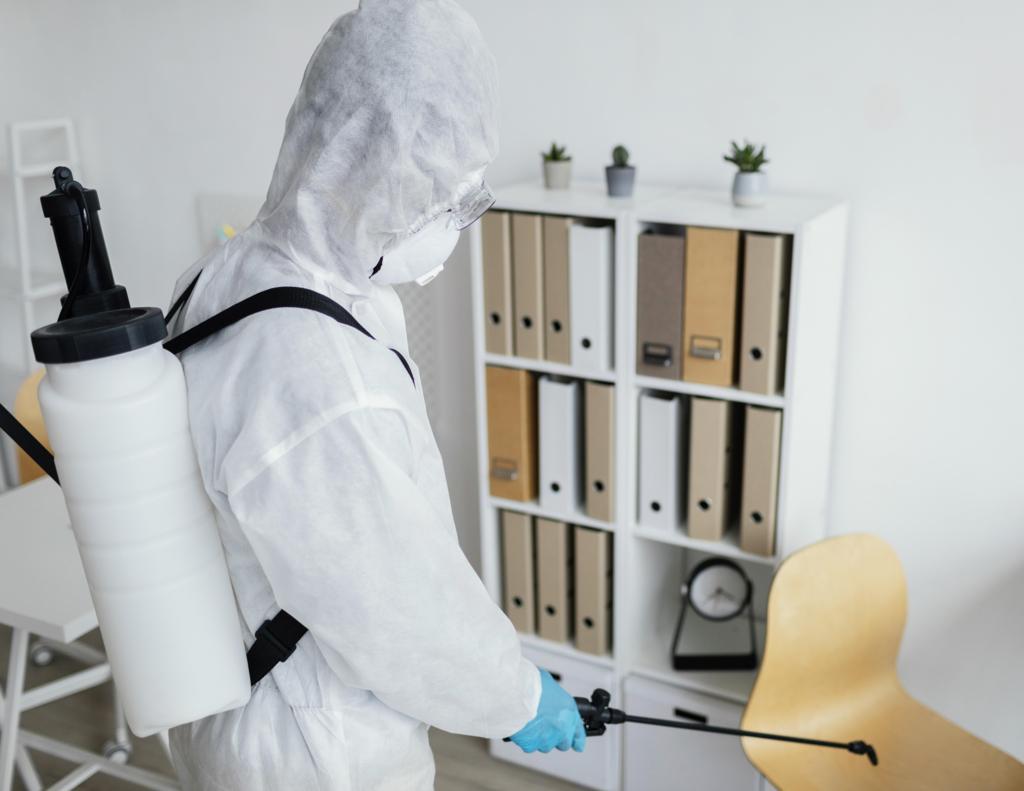
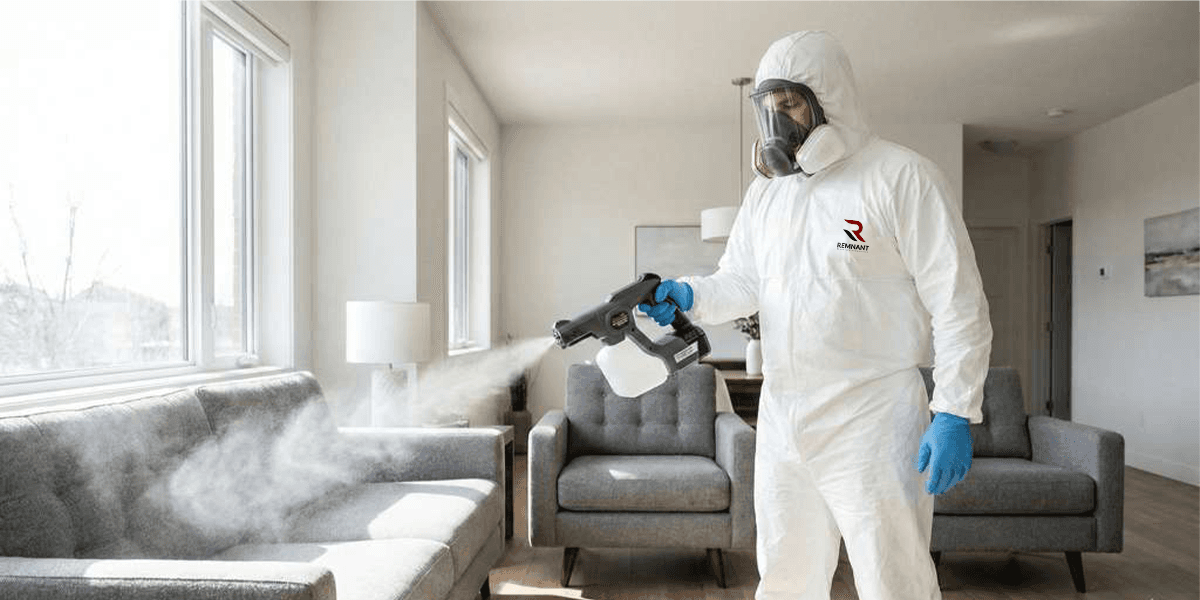
Once the contaminated materials are removed, the deep cleaning phase begins. Technicians disinfect all surfaces, perform ATP testing to detect invisible contamination, and use advanced techniques like fogging or chemical vapor treatment. Odors are removed using ozone or hydroxyl generators, which neutralize odor-causing molecules at the source. These steps ensure the property doesn’t just look clean, but it is actually safe and free from all biohazards. This level of sanitization is what separates true crime scene cleanup services from regular cleaning companies.
Structural Restoration When Necessary
Biohazard contamination often extends deeper than the visible surface. Blood and fluids can seep into the flooring, subfloor, walls, or baseboards. True professionals remove and replace affected structural materials so no hidden contamination remains. This process may sound extensive, but it’s essential for long-term safety. Whether it’s a small home or a large commercial building, crime scene cleanup in Seattle or Dallas involves removing contaminated structural elements as part of responsible remediation.
Following OSHA, EPA, and State Regulations
Every professional cleanup company follows local, state, and federal regulations. Technicians must adhere to OSHA bloodborne pathogen standards, EPA disposal guidelines, and health department rules. Detailed documentation, including photos, decontamination logs, and waste tracking forms, is completed for each job. This protects the property owner legally and ensures the cleanup complies with official requirements. These standards apply everywhere, from major urban areas to smaller towns requiring crime scene cleanup near me services.
Final Inspection and Clearance
Before a property is considered safe for use, a final inspection is performed. Supervisors verify that all contamination has been removed, odors are gone, and ATP test results show no biological activity. Only when the space passes every safety check is it cleared for re-entry. This final step is crucial because even a small amount of contamination can lead to long-term health issues. Professional teams in cities such as Seattle, Dallas, Atlanta, and Fort Worth follow this rigorous process to ensure complete restoration.
Why DIY Cleanup Is Never Safe
Trying to clean a trauma scene yourself is extremely risky. Without training, proper PPE, and legally approved disposal methods, you could be exposed to infectious materials or face fines for improper waste handling. DIY cleaning also takes an emotional toll, especially for families dealing with tragedy. Calling certified professionals is always the responsible choice, whether you need trauma and crime scene cleanup, biohazard crime scene cleanup, or full crime and trauma scene cleanup after an incident.
Final Thoughts
Crime scene cleanup is far more than ordinary cleaning. It’s a highly specialized process that demands strict safety protocols, advanced equipment, and professional expertise. From PPE and containment to full sanitization and final inspection, each step ensures that the property is completely safe for future use. Whether you’re looking for crime scene cleanup near me or need help in major areas like Dallas, Fort Worth, Seattle, or Atlanta, choosing trained experts is the only way to guarantee thorough, legally compliant restoration.
When a violent crime, accident, suicide, or traumatic event occurs, the aftermath is often overwhelming. Beyond the emotional impact, there are real health risks present in blood, bodily fluids, and other biohazards. This is why crime scene cleanup is handled by trained specialists who follow strict safety protocols to restore the space safely. Their goal is straightforward: to create a healthy environment and ensure there are no hidden dangers. Below is a clear breakdown of the top safety procedures followed in crime scene cleanup services.
Use of Full Personal Protective Equipment (PPE)
Every cleanup begins with technicians suiting up in full personal protective equipment. This is non-negotiable in any trauma crime scene cleanup situation. Teams typically wear professional-grade biohazard suits, respirators or full-face masks, heavy-duty gloves (often layered), and protective footwear. PPE prevents direct contact with bloodborne pathogens and airborne contaminants. In high-risk jobs, such as crime scene cleanup after an incident, PPE is the first and strongest line of defense.
Securing and Containing the Scene
Before cleaning begins, the area is isolated to prevent contamination from spreading. Cleanup teams secure the space by blocking off rooms, shutting down HVAC systems, and using plastic sheeting or containment barriers. This step is extremely important in apartments, businesses, or larger homes where contamination could spread into vents or shared areas. Securing the scene keeps biohazards confined and allows for a safe, controlled cleanup environment, especially in busy locations like crime scene cleanup Dallas, crime scene cleanup in Fort Worth, or crime scene cleanup Seattle.
Using Hospital-Grade and EPA-Approved Disinfectants
Regular household cleaners don’t work in biohazard environments. Professional teams use hospital-grade, EPA-registered disinfectants specifically designed to eliminate bloodborne pathogens. These chemicals are effective against viruses, bacteria, and other infectious microorganisms commonly found at trauma scenes. Whether it’s biohazard crime scene cleanup or crime and trauma scene cleanup, the disinfectants used are the same ones trusted by medical and forensic environments. This ensures the property is sanitized far beyond surface-level cleaning.
Safe Removal and Disposal of Biohazardous Waste
Anything contaminated, such as furniture, carpet, clothing, flooring, drywall, and even small personal items, must be removed and disposed of in accordance with strict laws. This material can’t go into regular trash bins. Biohazard waste is collected in leak-proof containers or red biohazard bags and transported to licensed medical waste facilities. This is a legal requirement in every U.S. state, including high-demand regions such as Atlanta and Fort Worth, where crime scene cleanup is in high demand. Following proper disposal protocols prevents environmental contamination and protects the public from infectious waste.
Deep Cleaning, Sanitization, and Odor Removal
Once the contaminated materials are removed, the deep cleaning phase begins. Technicians disinfect all surfaces, perform ATP testing to detect invisible contamination, and use advanced techniques like fogging or chemical vapor treatment. Odors are removed using ozone or hydroxyl generators, which neutralize odor-causing molecules at the source. These steps ensure the property doesn’t just look clean, but it is actually safe and free from all biohazards. This level of sanitization is what separates true crime scene cleanup services from regular cleaning companies.
Structural Restoration When Necessary
Biohazard contamination often extends deeper than the visible surface. Blood and fluids can seep into the flooring, subfloor, walls, or baseboards. True professionals remove and replace affected structural materials so no hidden contamination remains. This process may sound extensive, but it’s essential for long-term safety. Whether it’s a small home or a large commercial building, crime scene cleanup in Seattle or Dallas involves removing contaminated structural elements as part of responsible remediation.
Following OSHA, EPA, and State Regulations
Every professional cleanup company follows local, state, and federal regulations. Technicians must adhere to OSHA bloodborne pathogen standards, EPA disposal guidelines, and health department rules. Detailed documentation, including photos, decontamination logs, and waste tracking forms, is completed for each job. This protects the property owner legally and ensures the cleanup complies with official requirements. These standards apply everywhere, from major urban areas to smaller towns requiring crime scene cleanup near me services.
Final Inspection and Clearance
Before a property is considered safe for use, a final inspection is performed. Supervisors verify that all contamination has been removed, odors are gone, and ATP test results show no biological activity. Only when the space passes every safety check is it cleared for re-entry. This final step is crucial because even a small amount of contamination can lead to long-term health issues. Professional teams in cities such as Seattle, Dallas, Atlanta, and Fort Worth follow this rigorous process to ensure complete restoration.
Why DIY Cleanup Is Never Safe
Trying to clean a trauma scene yourself is extremely risky. Without training, proper PPE, and legally approved disposal methods, you could be exposed to infectious materials or face fines for improper waste handling. DIY cleaning also takes an emotional toll, especially for families dealing with tragedy. Calling certified professionals is always the responsible choice, whether you need trauma and crime scene cleanup, biohazard crime scene cleanup, or full crime and trauma scene cleanup after an incident.
Final Thoughts
Crime scene cleanup is far more than ordinary cleaning. It’s a highly specialized process that demands strict safety protocols, advanced equipment, and professional expertise. From PPE and containment to full sanitization and final inspection, each step ensures that the property is completely safe for future use. Whether you’re looking for crime scene cleanup near me or need help in major areas like Dallas, Fort Worth, Seattle, or Atlanta, choosing trained experts is the only way to guarantee thorough, legally compliant restoration.
When a violent crime, accident, suicide, or traumatic event occurs, the aftermath is often overwhelming. Beyond the emotional impact, there are real health risks present in blood, bodily fluids, and other biohazards. This is why crime scene cleanup is handled by trained specialists who follow strict safety protocols to restore the space safely. Their goal is straightforward: to create a healthy environment and ensure there are no hidden dangers. Below is a clear breakdown of the top safety procedures followed in crime scene cleanup services.
Use of Full Personal Protective Equipment (PPE)
Every cleanup begins with technicians suiting up in full personal protective equipment. This is non-negotiable in any trauma crime scene cleanup situation. Teams typically wear professional-grade biohazard suits, respirators or full-face masks, heavy-duty gloves (often layered), and protective footwear. PPE prevents direct contact with bloodborne pathogens and airborne contaminants. In high-risk jobs, such as crime scene cleanup after an incident, PPE is the first and strongest line of defense.
Securing and Containing the Scene
Before cleaning begins, the area is isolated to prevent contamination from spreading. Cleanup teams secure the space by blocking off rooms, shutting down HVAC systems, and using plastic sheeting or containment barriers. This step is extremely important in apartments, businesses, or larger homes where contamination could spread into vents or shared areas. Securing the scene keeps biohazards confined and allows for a safe, controlled cleanup environment, especially in busy locations like crime scene cleanup Dallas, crime scene cleanup in Fort Worth, or crime scene cleanup Seattle.
Using Hospital-Grade and EPA-Approved Disinfectants
Regular household cleaners don’t work in biohazard environments. Professional teams use hospital-grade, EPA-registered disinfectants specifically designed to eliminate bloodborne pathogens. These chemicals are effective against viruses, bacteria, and other infectious microorganisms commonly found at trauma scenes. Whether it’s biohazard crime scene cleanup or crime and trauma scene cleanup, the disinfectants used are the same ones trusted by medical and forensic environments. This ensures the property is sanitized far beyond surface-level cleaning.
Safe Removal and Disposal of Biohazardous Waste
Anything contaminated, such as furniture, carpet, clothing, flooring, drywall, and even small personal items, must be removed and disposed of in accordance with strict laws. This material can’t go into regular trash bins. Biohazard waste is collected in leak-proof containers or red biohazard bags and transported to licensed medical waste facilities. This is a legal requirement in every U.S. state, including high-demand regions such as Atlanta and Fort Worth, where crime scene cleanup is in high demand. Following proper disposal protocols prevents environmental contamination and protects the public from infectious waste.
Deep Cleaning, Sanitization, and Odor Removal
Once the contaminated materials are removed, the deep cleaning phase begins. Technicians disinfect all surfaces, perform ATP testing to detect invisible contamination, and use advanced techniques like fogging or chemical vapor treatment. Odors are removed using ozone or hydroxyl generators, which neutralize odor-causing molecules at the source. These steps ensure the property doesn’t just look clean, but it is actually safe and free from all biohazards. This level of sanitization is what separates true crime scene cleanup services from regular cleaning companies.
Structural Restoration When Necessary
Biohazard contamination often extends deeper than the visible surface. Blood and fluids can seep into the flooring, subfloor, walls, or baseboards. True professionals remove and replace affected structural materials so no hidden contamination remains. This process may sound extensive, but it’s essential for long-term safety. Whether it’s a small home or a large commercial building, crime scene cleanup in Seattle or Dallas involves removing contaminated structural elements as part of responsible remediation.
Following OSHA, EPA, and State Regulations
Every professional cleanup company follows local, state, and federal regulations. Technicians must adhere to OSHA bloodborne pathogen standards, EPA disposal guidelines, and health department rules. Detailed documentation, including photos, decontamination logs, and waste tracking forms, is completed for each job. This protects the property owner legally and ensures the cleanup complies with official requirements. These standards apply everywhere, from major urban areas to smaller towns requiring crime scene cleanup near me services.
Final Inspection and Clearance
Before a property is considered safe for use, a final inspection is performed. Supervisors verify that all contamination has been removed, odors are gone, and ATP test results show no biological activity. Only when the space passes every safety check is it cleared for re-entry. This final step is crucial because even a small amount of contamination can lead to long-term health issues. Professional teams in cities such as Seattle, Dallas, Atlanta, and Fort Worth follow this rigorous process to ensure complete restoration.
Why DIY Cleanup Is Never Safe
Trying to clean a trauma scene yourself is extremely risky. Without training, proper PPE, and legally approved disposal methods, you could be exposed to infectious materials or face fines for improper waste handling. DIY cleaning also takes an emotional toll, especially for families dealing with tragedy. Calling certified professionals is always the responsible choice, whether you need trauma and crime scene cleanup, biohazard crime scene cleanup, or full crime and trauma scene cleanup after an incident.
Final Thoughts
Crime scene cleanup is far more than ordinary cleaning. It’s a highly specialized process that demands strict safety protocols, advanced equipment, and professional expertise. From PPE and containment to full sanitization and final inspection, each step ensures that the property is completely safe for future use. Whether you’re looking for crime scene cleanup near me or need help in major areas like Dallas, Fort Worth, Seattle, or Atlanta, choosing trained experts is the only way to guarantee thorough, legally compliant restoration.
Other Case Studies
Explore our more case studies
Other Case Studies
Explore our more case studies
Other Case Studies